
Where are you going?
Worldbuild Wednesday ep. 14
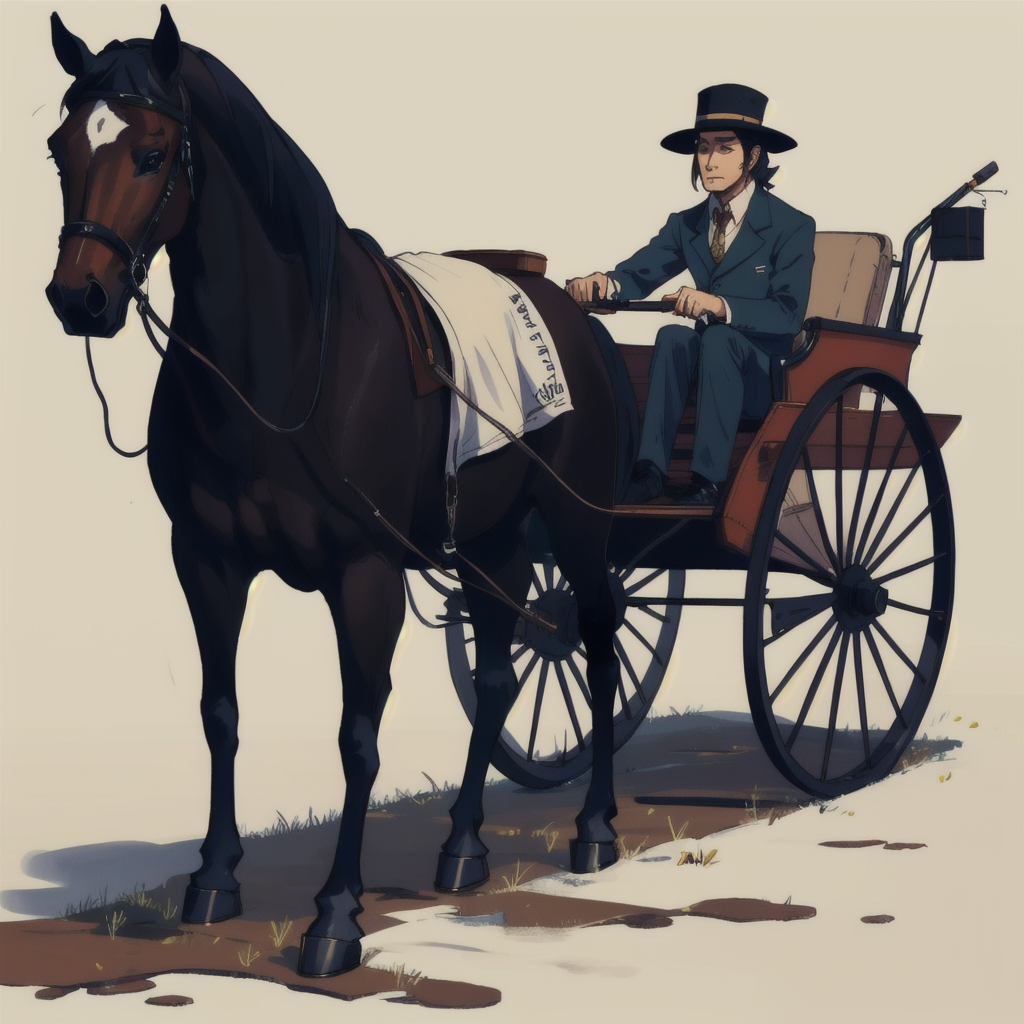
I am currently on vacation. However the worldbuilding must flow. So this week I’m going to be talking about traveling. There are a few ways to include travel into a world, and how travel in the world should change. Yet I think the more interesting angle is to use travel to build your world.
To get the travel within the worldbuilding out of the way knowing how the populations of your world travel around can help sanity check the rest of it. If the most advanced transit is the humble horse and cart things will look very different the personal space craft. For example, if everyone has to walk from place to place there’s a chance that everything is exotic. Everything will be produced somewhere in town or brought in when the traders come. As an aside traders will be rather exciting since they bring both items and news from far away. Likewise if things can be imported from different Galaxies, with three day shipping no less, what makes something exotic?
Further more if people can’t move as easily moving from place to place there is likely to have very different cultures very close together. Britain was, and to a degree still is, a case study for this. Before people got more mobile each village was in essence a micro state. This is why villages few people outside the region have heard of have centuries long feuds with their neighbors over the smallest of things, like the order of cream and jam on scones. Yet don’t think it’s all sunshine and funny stories. There are negative side effects. An example comes from the fact less travel leads to smaller dating pools, which is why there are quoted papers highlighting the bicycle as the best thing to happen to rural Europe’s population. Once Men could go farther from home to court wives the number of birth abnormalities and still births dropped.
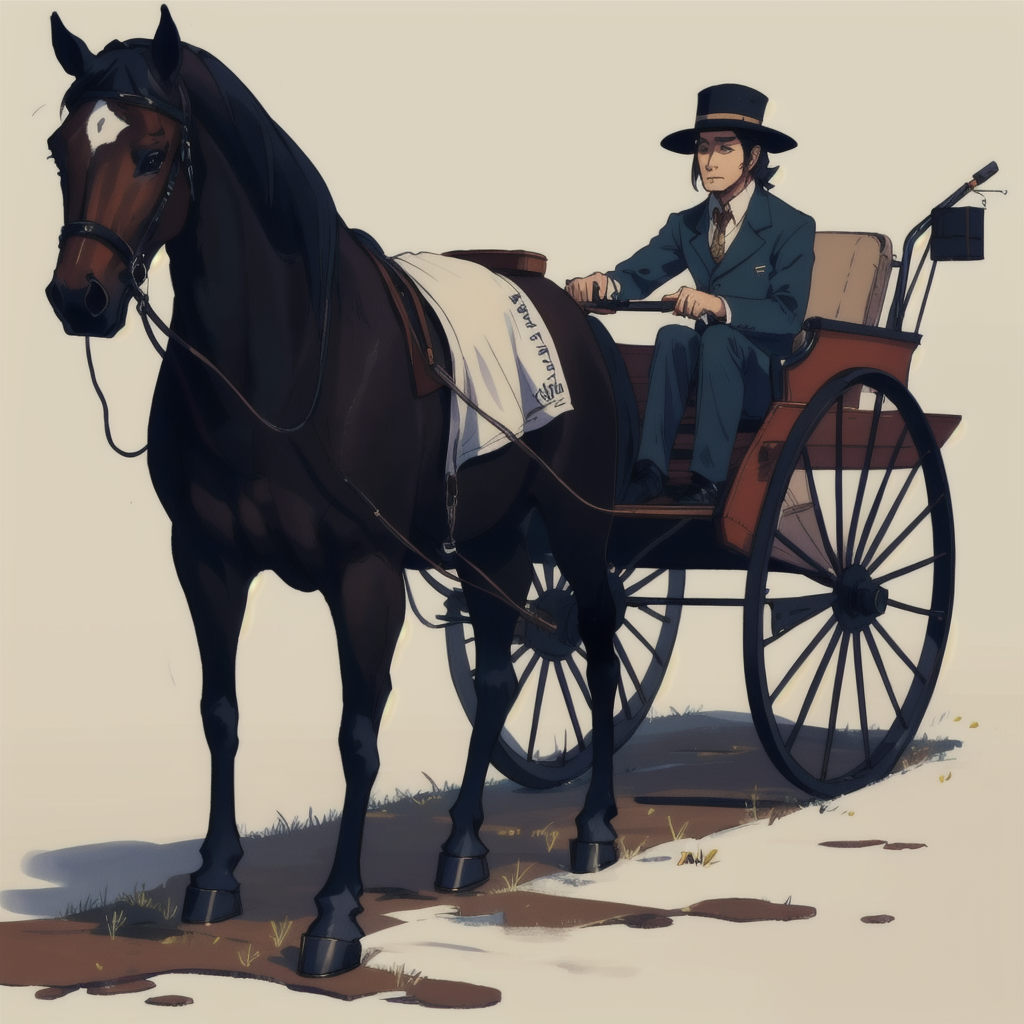
Another in world effect of travel is how far is far? For example go talk to a European about ‘a long drive’, then an American about a long drive. They will have very different answers since Europeans tend to not drive as much, since they have different cities, better mass transit, and the likes; thus driving an hour is a long drive. Meanwhile I’m sure everyone in America can provide a list a meter long, whatever a meter is, of people who commute an hour or more to work.
To estimate this I use the average mode of travel, and then time. For example if the average mode of travel is walking, and a man walks at 2.5 miles per hour anything 5 miles or farther would be far. Anything within a mile is close and the rest is up to the person. However if the average is 55 mph via the car, well far starts around mile 110, close is 25 miles or so, although that would be ignoring traffic, which can also be added to the equation by calculating the adjustment to the speeds. The other thing is that people may not have access to the fastest forms of transportation. Air travel for example: airliners cruse around 550 mph for my thumb math yet when one adds in all the time for security, take off and landing, getting to the airport, the average travel speed could drop to the low 300s. This is the argument for high speed rail over air travel in the regional market. If trains travel at 250 mph, can cut the pesky airport security (clearly trains don’t need any security), and in some cases a the bulk of the traveling to the airport there is a fairly large overlap in the regional business.
I will leave the tirade chewing out neo-urbanists for another time. Yet they do have an argument. If high speed transit means two city centers are half an hour away there could be an interesting band of ‘far’ between the points of ‘near’ despite the distance of the next hear place being significantly farther away, than the closest far distance. Which is something one shouldn’t forget when there are a mixture of transportation options.
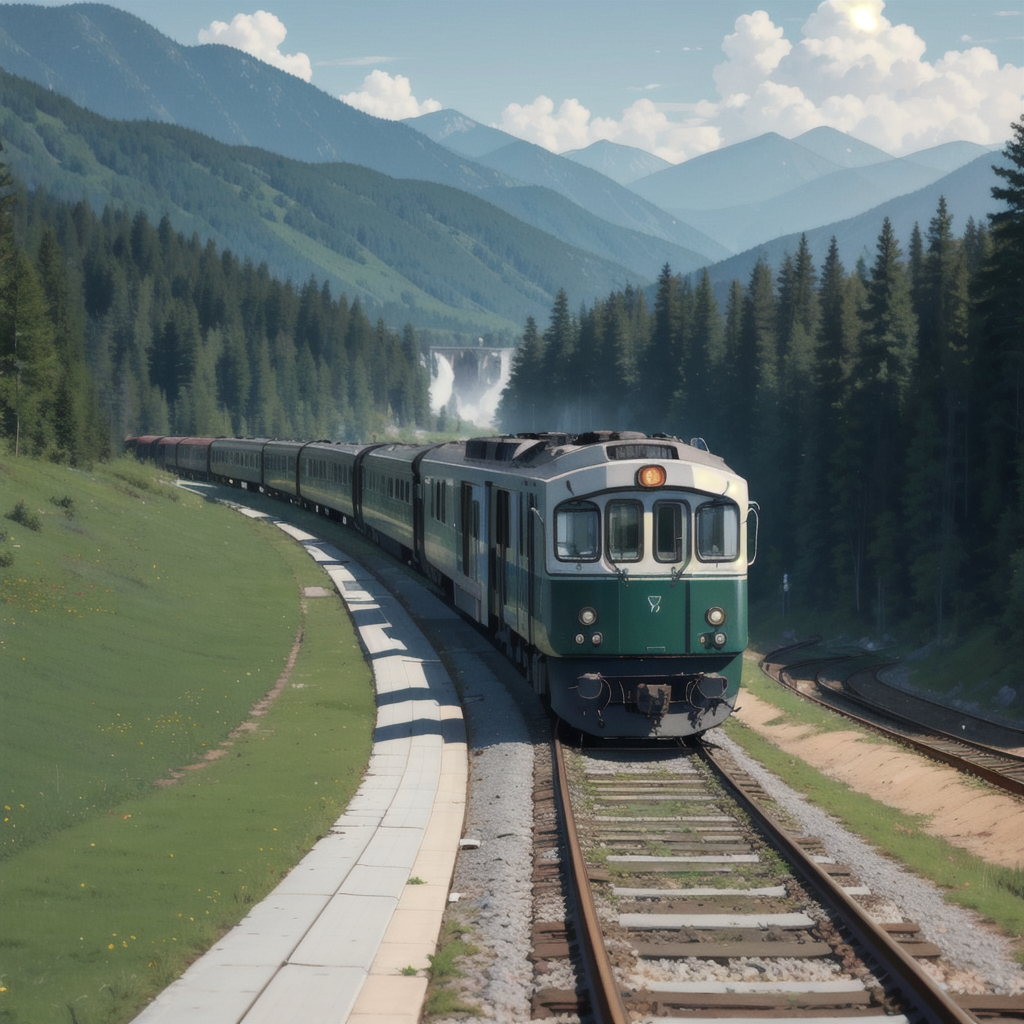
Hopefully the usage of transportation in a story is fairly obvious, but there are a lot more angles than first glance. To get the most obvious out of the way, yes transportation is a way to get from point A to point B. If the cast needs to go from A to B use the best transportation for the plot. Yet what about forcing downtime. They are stuck in a plane for the next ten hours: what do hey do? What if traveling is the story? There’s a week between New York and Bristol how many stories could take place on the ship during the trip? If we roll it forward to the futures a star liner taking a three long trip between the stars could be enough for a whole romance to take place with two strangers meeting at the first night dance and planning their wedding when they disembark.
Likewise do the different types of transportation have different connections in the society? I’m thinking back to when public transportation in America was good and owning an automobile was a fairly large status symbol. Would your characters prefer one way of traveling over the other? Reasoning can be left up to the character but it should reflect something about the culture. The outcast prefers taking the bus since there’s less people. The princess can’t imagine going anywhere by foot. The knight is worried about leaving his trusty warhorse behind.
Perhaps less obvious would be where can the transportation take the story. If taking a cable car is the only way to get everyone from point A to point B, one can set up for quite the fight scene. Does the new jet need a longer airstrip and as such things get less convenient than taking the old prop plane? What about storms, I do think storms are an often underused part of the world. Would a storm wash out the roads and so now the cast must either fly or wait to for the roads to be restored.

More interesting is that travel can be used to build the world. For those wanting a bit of a history lesson there was a genre called the travelouge, or travel literature, it has now been largely replaced with travel bloggers or journalists writing fictionalized accounts of where they went. Yet writing those accounts for the world one is building; is a good way to use story to build the world. Which leads into the two ways I use travel to build worlds.
The first is to write fictional travel guides. In a sense the audience is a tourist to whatever world the story is taking place in. Thus having a traveler’s guide for each location, can be useful. As taveler’s guides tend to provide useful information both on the location and the culture of the place so the would be tourist.
The tourist is likely as clueless as any audience member when it comes to preknowledge of the world I am building. Thus anything that an in world traveler should know is likely helpful for my audience. Yet one can add another layer to it, who is the author? Is the author a local, a visitor? Are they paid or volunteering? I will often sketch out a place though at least two pens writing out a traveler’s guide. One a local, and the second a visitor.
Often I start with the local. Because they are embedded in the location I tend to focus on the locations and what makes them stand out to the locals. I will gloss over any cultural items outside of the pet peeves of the location. Effectively it is the greatest hits and “do not” list, wrapped up into a little guide.
Then I'll go to the visitor where I will highlight what is eye catching when from the outside. It could be the geography, it could be the way they make toast, whatever would catch most visitors attention. I will note that down and whatever information the average visitor could get on their trip. It might be something as seemingly unimportant as a local quirk could be along the lines of: “No one in the city knows why the jam must go in the tea cup before the tea yet you will be called out if you do it the other way round.”
Once these two are jotted down I'll compair and contrast them. Depending on what's there and likely to be needed I may do some more rote building before writing another set of guides often, set some time later. This then builds a history of the palce. This history is much more organic and in a sense natural than what is often built by worldbuilders who span centuries. However this type of building only really works for smaller scale items such as towns.
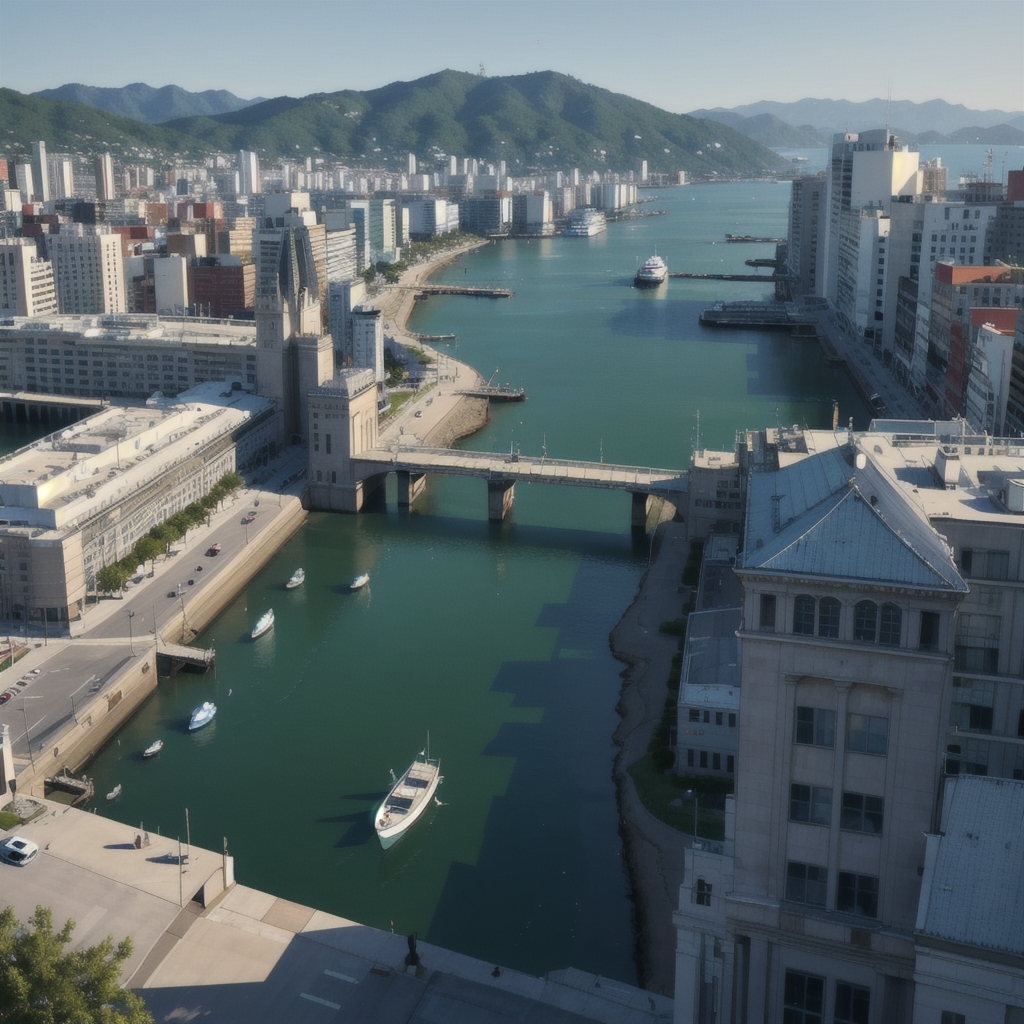
The other way I build via travel is to write the account of a trip though the town. Much like a travel vlog, or the travelouge, but in micro. Often I will refer back to my guides. Sometimes even citing them should I get formal, because those guides can be in world things; as can these travelouges.
This often means I develop a viewpoint character and treat it like a mini-story. Not always the most riveting story, as it's a record of a character exploring a place. Yet it works to set the stage for when proper stories follow in their path. The best part about this, it isn't limited to places. A group could be interacted with, an object found or deposited, a person chased down. In essence Chasing a Letter and the older My Spring with the Elves both could be considered examples of this. In reality My Spring with the Elves fits the mold much better. I will link it below should you be interested.
By doing this I put the story to history. Thus instead of having histories that are lists of events but rather stories of people and their places. Which is what one could use as the philosophical basis for culture. Since these are to be short stories it can be general storytelling practice as well. With a bit of work they could be turned into full novels or anthologies.
With that I’ll leave you until next week.
 Grathew