
What makes a house?
Worldbuild Wednesday ep. 12
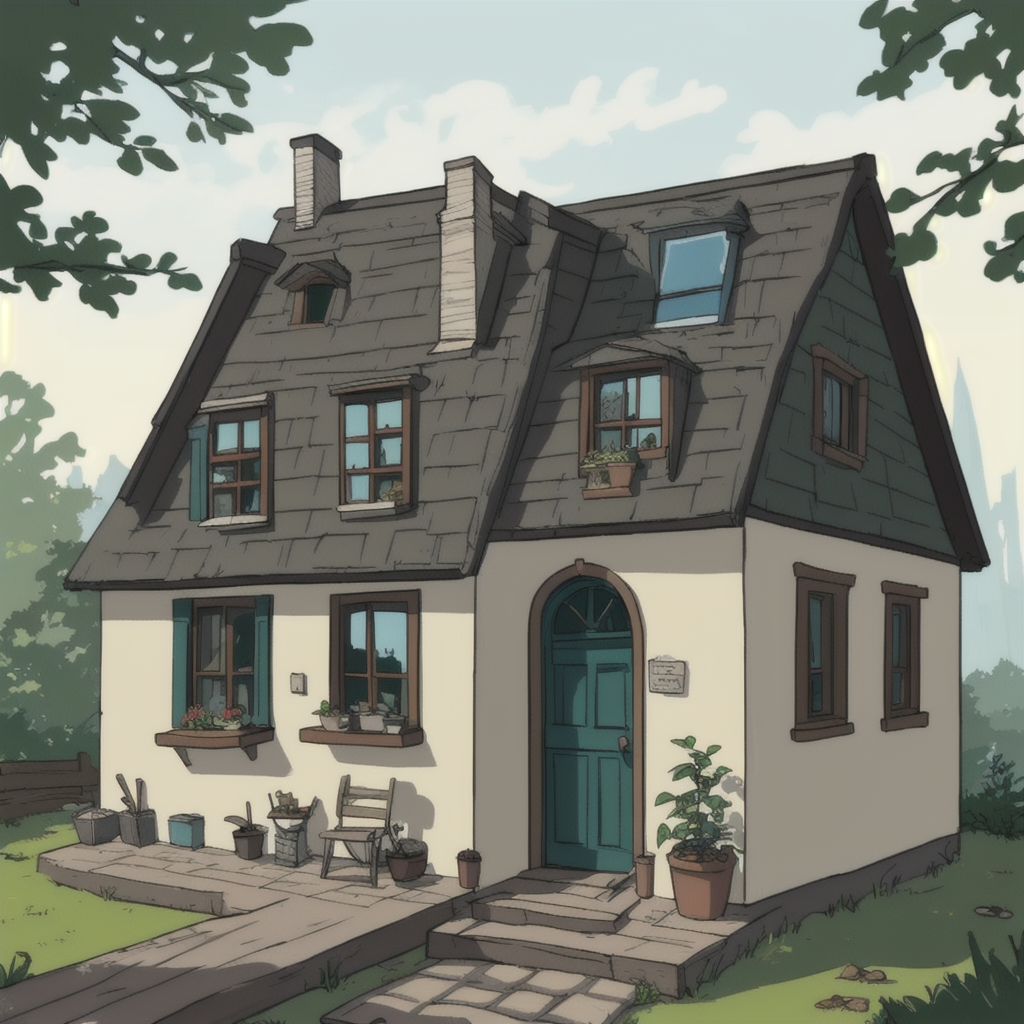
I think an often overlooked portion of worldbuilding is the humble home. Where people live will impact how they live, thus it’s time to think about how people live in the world.
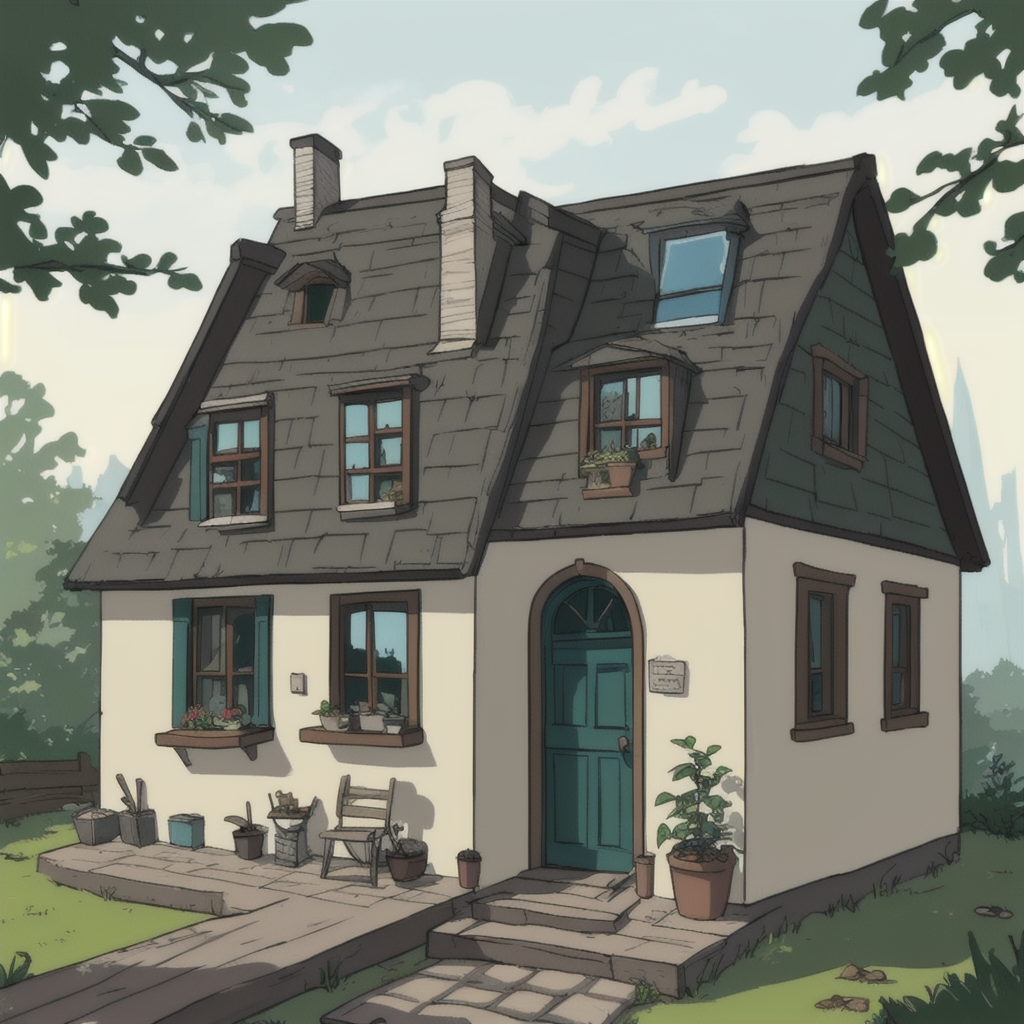
Housing can be treated as a mirror for culture. A window for us to peer out off as we follow the story. Likewise it’s a way to apply some extra dimensions to characterization of the world, the setting and the characters. If people live in small homes of parents and adolescent children will have a different culture than one where there are grandparents, parents and children. Are dwellings large or smaller? A pod to sleep in is different than a manor house in both form and function. Likewise it’s not just what do they live in but also where. Do most shopkeeps live above their shops? Do factory workers live in barracks near the factory? Things like this add to the depth of the worldbuilding and the characterizations available.
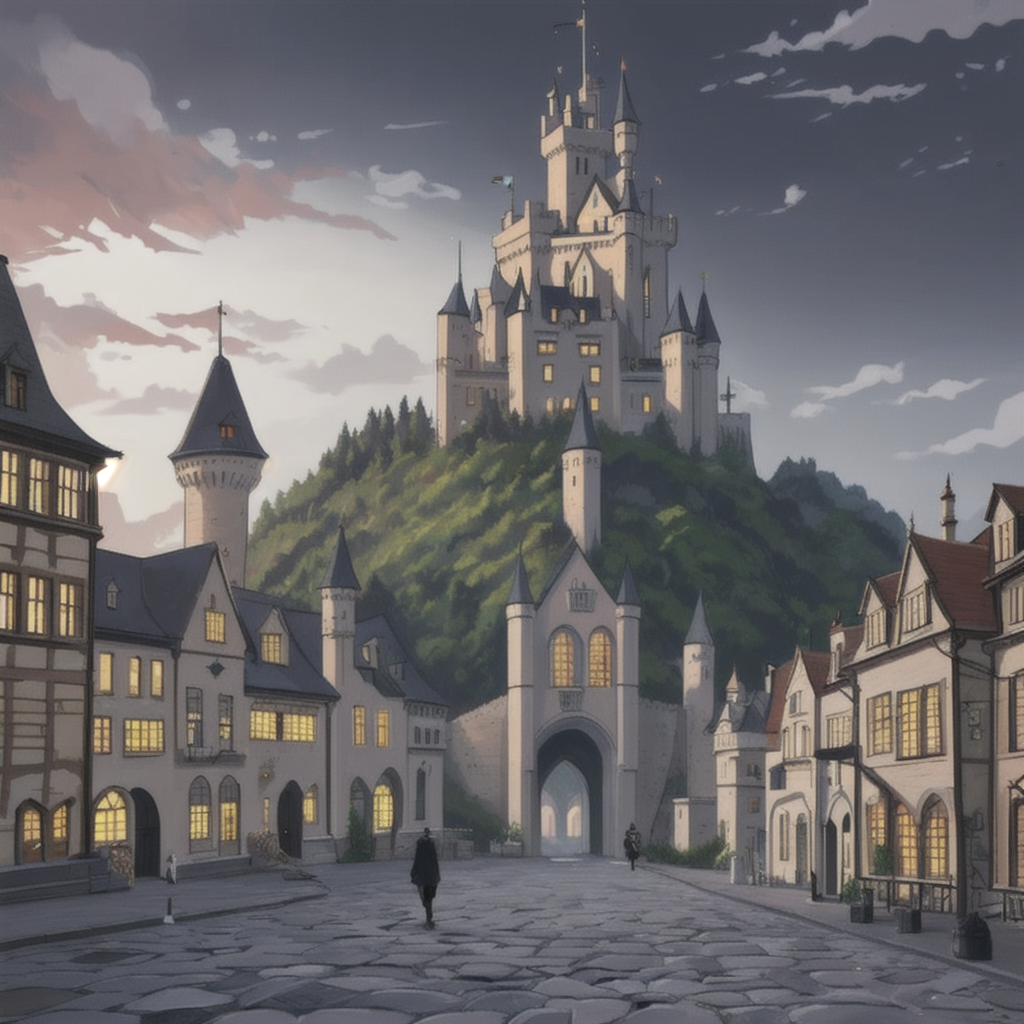
Lets say we have a population working in a factory, living in the attached dorms, shopping in the cheap company owned canteen. What does this tell you? Contrast this with a small village that is a cluster of homes each with a small vegetable garden. Near the center of town there is a Church. What does this tell you?
Now there is a fallacy that these two setups must be exclusive. This is obvious since Gary, Indiana and Bled, Slovenia both exist and existed at the same time. This is where the world part of worldbuilding comes into play. Since different people live, work and play in different ways in different places within a world. Think of the story of a young man leaving Bled and traveling to America and ending up in Gary, Indiana spending a few years and going back. As far as regular settings go he may cross a dozen, between the failing Austria-Hungary, Italy, the ship to Spain, the ship to Britain, the ship to America, New York City, the various spots on his way to Gary, and then going back again.
Likewise if a story were to cover a man’s life. Born in say 1927, grows up in the 30s and 40s, has his children in the 50s and 60s, watches his daughters get married in the 80s, and welcomes his grandchildren in the 21st century how many changes of living arrangement would he have? The style of home that he resides in as a grandparent age 80, would be shockingly different from the one he knew as a child. What would he think of his children’s apartments? Would he have comments on the loss of the rowhouses he started his life in?
While I’ll admit both of these are taking the topic of housing to it’s argumentative limits. There are many different types of housing that would be experienced in both. Each of these different types of housing can be used to highlight the transiting of either time or space.
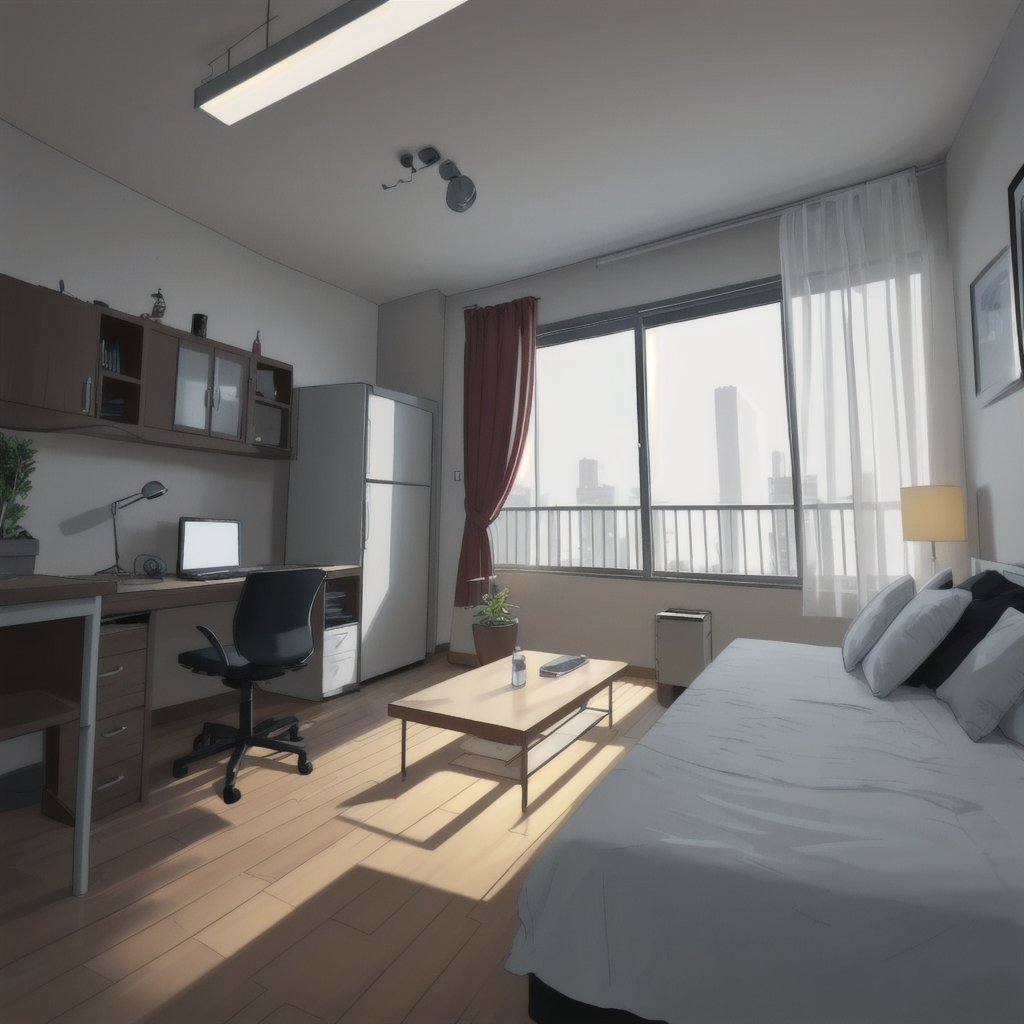
Thus what makes a housing type “fit”? That will depend; the first switch is: what genre? It will be easier to sell apartment the mega-towers I pined about last week in something set in the future, and harder to explain their existence in a fantasy. To be pedantic the technological level is the gate keeper within genre. The rule of thumb is higher tech denser the populations.
The second switch is the culture. A very independent individualist culture will likely have smaller dwellings for the individuals. One with strong family ties could have family compounds. Places where there are multiple generations living in one place. This can highlight the differences in family ties.
Likewise there is the scale of things. Do people need more space for family and friends. Are families supposed to be able to fend for themselves and thus need to have enough land to farm or gather their own food? Or is the size of the home a status symbol. The larger the home the higher the status. Perhaps the inverse is true and smaller the holding the more status?
When it comes to the farther fictions, such as fantasy and science fiction things get predefined. Seldom do apartment blocks appear in fantasy and small underground homes in science fiction. It is more than possible for both to appear given a bit of tweaking. Last week in Vertical Planning I talked about how one could add verticality into fantasy. Getting quaint homes into science fiction is one of culture. If people want that kind of housing, they have the technology. Sure there should be an expectation of technology where we would see it and other places that seem fit.
Yet there is a trend for fantasy to have small villages and sci-fi to have built up. In my opinion this comes from the tropes. If you think of any fantasy genre, and how the people live, it’s likely that small villages, perhaps low built, cobbled, towns with spires and church steeples will come to mind. Science fiction has a bit more diversity with the minimalist clean city, the dirty slums and all manners of urban environment between the two. These defaults are sometimes good ways to shortcut world building, just be careful with what you use when shortcutting. This comes from the expectation of setting rather than a world. With a world there are many settings. However I will leave that topic for another week.

That aside would would I recommend thinking about when deciding on how to house the populations. Space, culture, and materials. The first two should be rather obvious. The less space available or if getting more space is difficult than things will be smaller and it’s more likely that people will live smaller homes and are likely to live more communally, since there isn’t enough space to spread out. Culture is what people are expecting and what they will desire, and what they will expect. If they expect to live within a clan then the housing should help facilitate that. Perhaps small dwellings around a larger clan house where the elders or leaders of the clan live. Materials can be the most complicated.
With materials it looks like it will come down to what is “physically” possible. It’s unlikely to raise any eyebrows when the concrete and steel building has fifty stories in it. Switch to cobble and wood and some eyebrows will be raised. However that isn’t the whole story. Instead of thinking what is or isn’t the extreme edge think about what is the most time, or cost, effective. Is it more effective with the materials on hand to build one big structure and designate individual apartments? Or should each person build their own house in a little area because to get the space we generate more material than we need.
An example of the latter would be my tendency to use stone for my houses whenever I venture into the world of Minecraft. Since there are no limits outside of the world bounds one can use anything. Want to build a house out of wool and bone? Go for it. Want to use cubic meters of gold and diamond? Get digging. Yet I often go back to cobblestone because it’s what I have the most on hand at any one time. Since when you go to mine the waste is generally cobble stone it means I can use the waste product to do something useful. People think about that when it comes to the real world as well, thus should your invented worlds. If there’s an abundance of wood and the trees need to be cut to make space for the people or farmland, why not use them to build things? What else are you going to do with the wood? If there’s a mine digging up tons and tons of stone put it to use in the buildings, perhaps as a form of cement. If there is nothing but space rock out there in the belt than I guess space rock walls it is.
The post apocolyptic genre has this down fairly well. If there are houses people use them. Old cars that need to be moved? Time to build up a wall of old cars what else are we supposed to do with them? Skyscraper fell over and now we have access to a lot of concrete and rebar rubble? Cool time to recycle that.
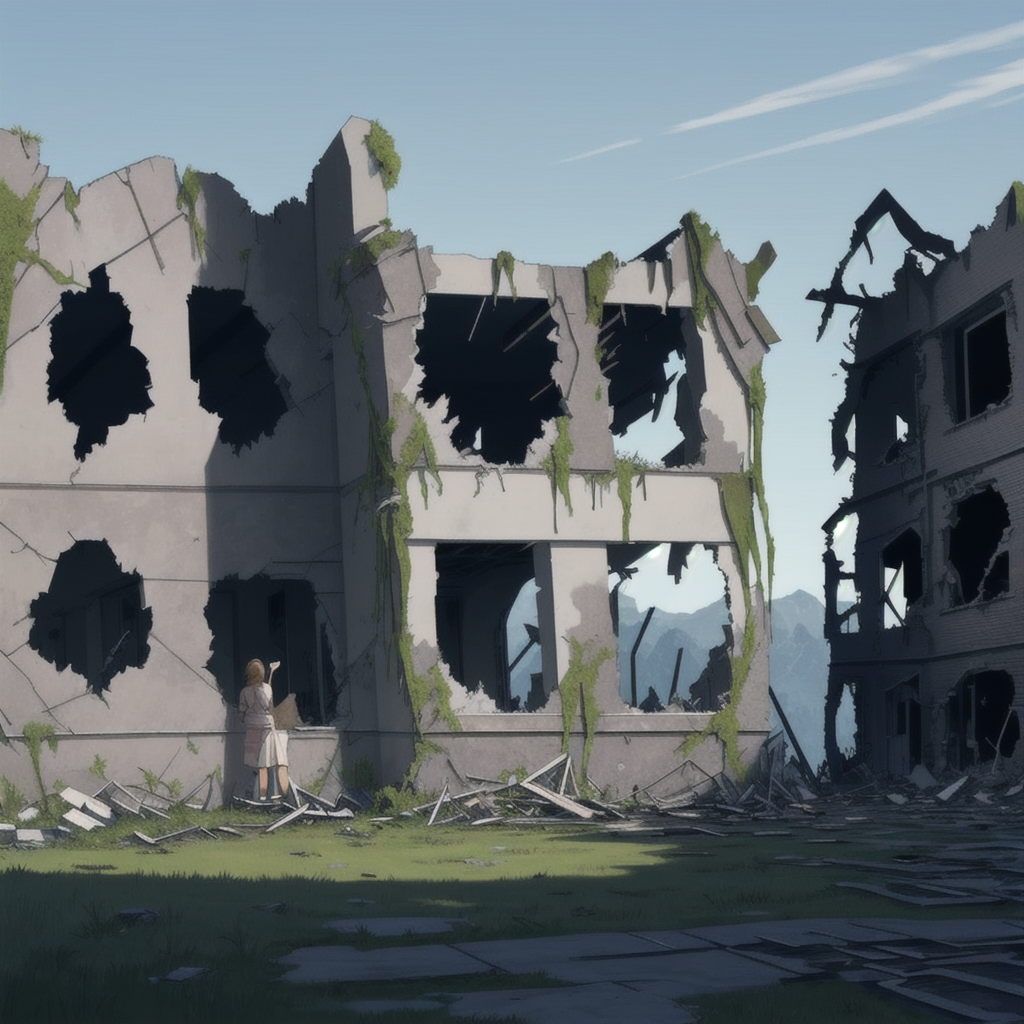
When it comes to using housing in the story there are two obvious ways and a few less obvious. The first of the less obvious would be to use a new form of housing as a source of location change. Different locations have different space and materials thus there are two different inputs. Connected to that and still of the less obvious is to highlight the building culture. If quiet houses with thick walls are a staple of this culture, higlighthing the quiet and perhaps cramped nature of the house. Using lines akin to, “Despite how large it looked on the outside each room was smaller than I expected and doorways were seemingly cut though the walls rather than cut out of them.”
The last of my less obvious would be to have the home built for another function than first meets the eye. Some mansions have ways of paying for themselves as night clubs, event halls, wineries, take your pick. Thus having the housing serve a secondary use that is as or more important to the story. The fact people also live there could be a useful happenstance.
Now the two obvious ways showing off aspects of the character who lives there and providing a sanctuary for the characters. To start with the characterization angle, a house is chosen by a person for reasons. Could be location, could be size, could be that cute loft above the staircase. Regardless of what it was the person who lives there chose it for a reason. They also are likely to decorate it to their liking for a reason. This means if they own a small apartment crammed full of books. They may be more interested in books than people. If it’s more workshop than home perhaps they are a workaholic, or an inventor in their free time. Since it is a sanctuary for the characters due to the majority of the time being there nothing will happen. The storms will be outside and they will be inside, as most structures should do. However breaking that can be powerful. Just don’t do it too often.
With that I’ll be back next week for another Worldbuild Wednesday.