UBoote und Welten
Worldbuild Wednesday ep.1
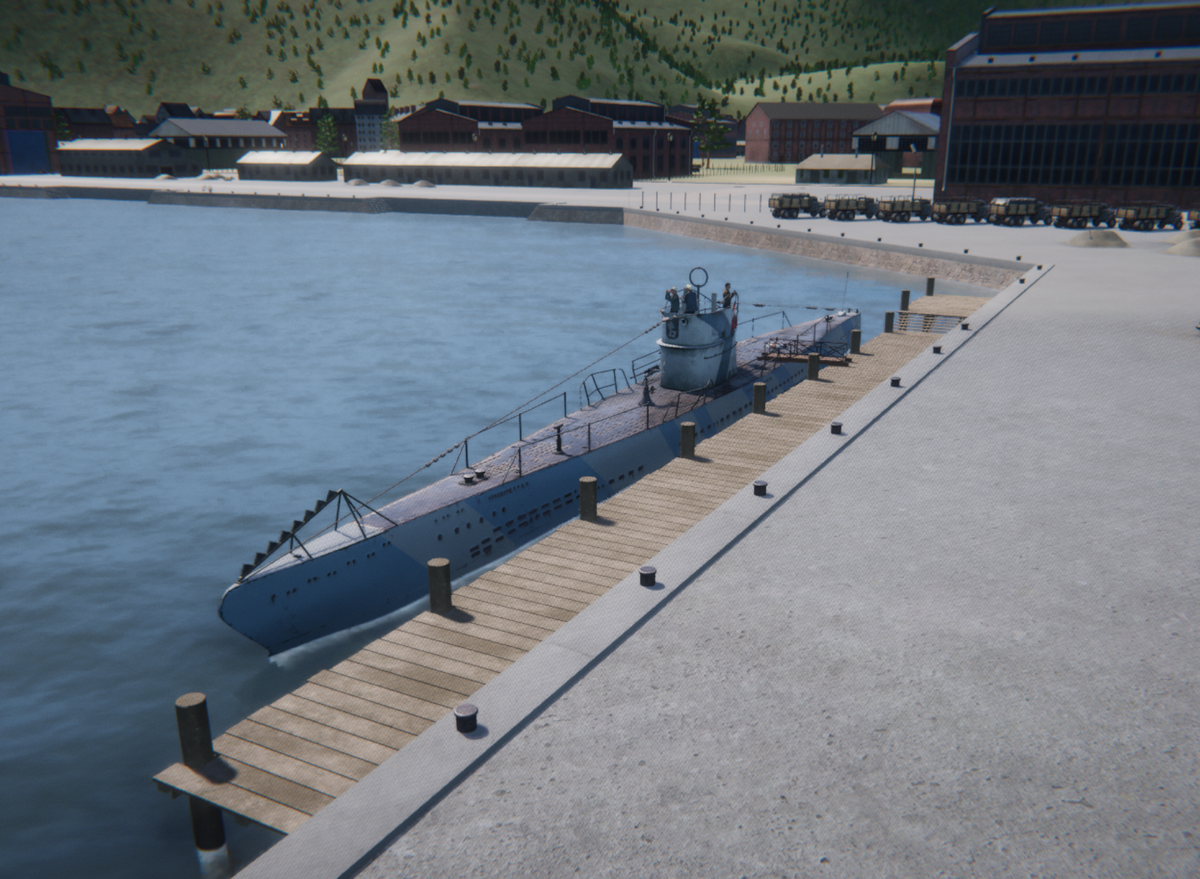
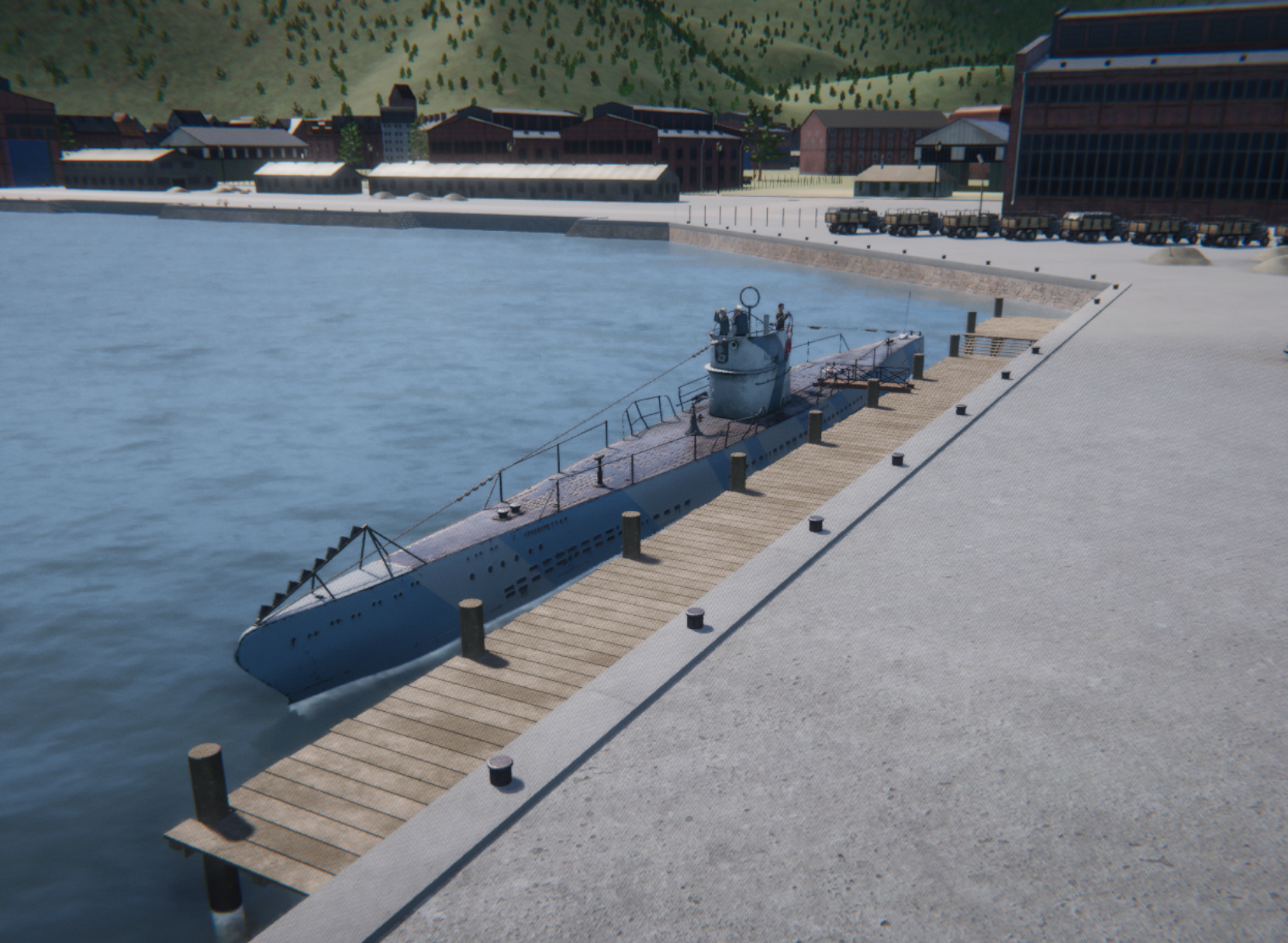
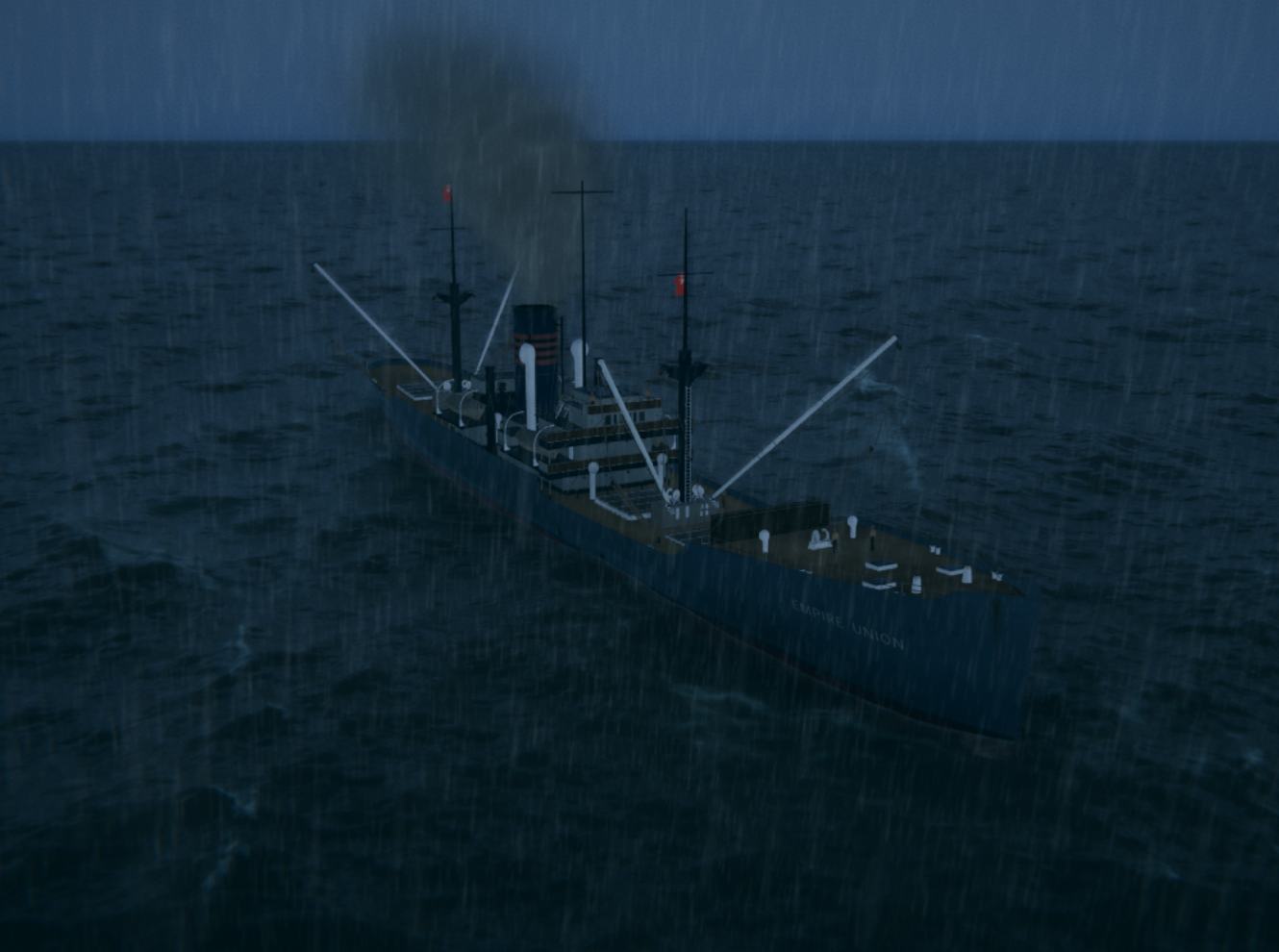
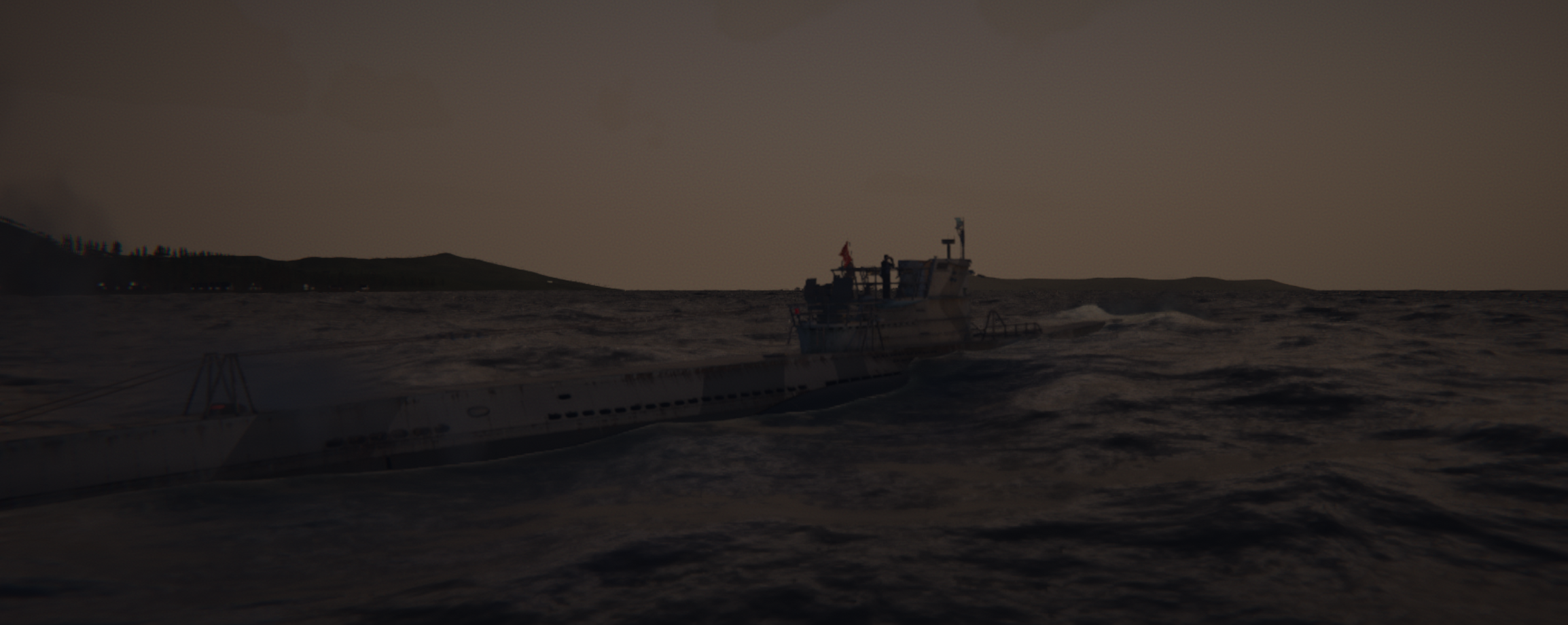
The past two weeks have been more than a bit hectic, and I decided to relax with one of the most relaxing things I could think of. WWII submarine warfare as the Kriegsmarine. Oddly enough I think it makes for a good analogy for worldbuilding and storytelling in general. The pictures this week are from Uboat, one of the two games that I’ve been playing.
The hairbrained connection I’ve discovered is simple, we are the skipper of the U-Boat, the stories are the torpedoes, and the audience are the cargo ships. At first glance this may seem like a strange analogy seeing as this is a rather violent endeavor compared to the buying and selling of stories. Yet it works.
To start out you need to prepare for the trip. These treks could last weeks if not months therefore stocking and supplying the boat is important before heading out. This would be the research, worldbuilding, editing, writing, and publishing stage of the process. Once the boat is loaded up you head out to sea and start looking for an audience. Sometimes you’ll blunder across a lot of them early. Other times it will take a while. These days I have seen publishers and media ragged on like I have the convoy escorts. Those pesky destroyers and whatnot that are out to keep you away from the cargo ships. I’ve been told there are ways around but as I haven’t found anything yet I’ll differ to the more senior skippers. Once you find an audience you line up a shot and take it. Hit or miss, learn from it and do it again.
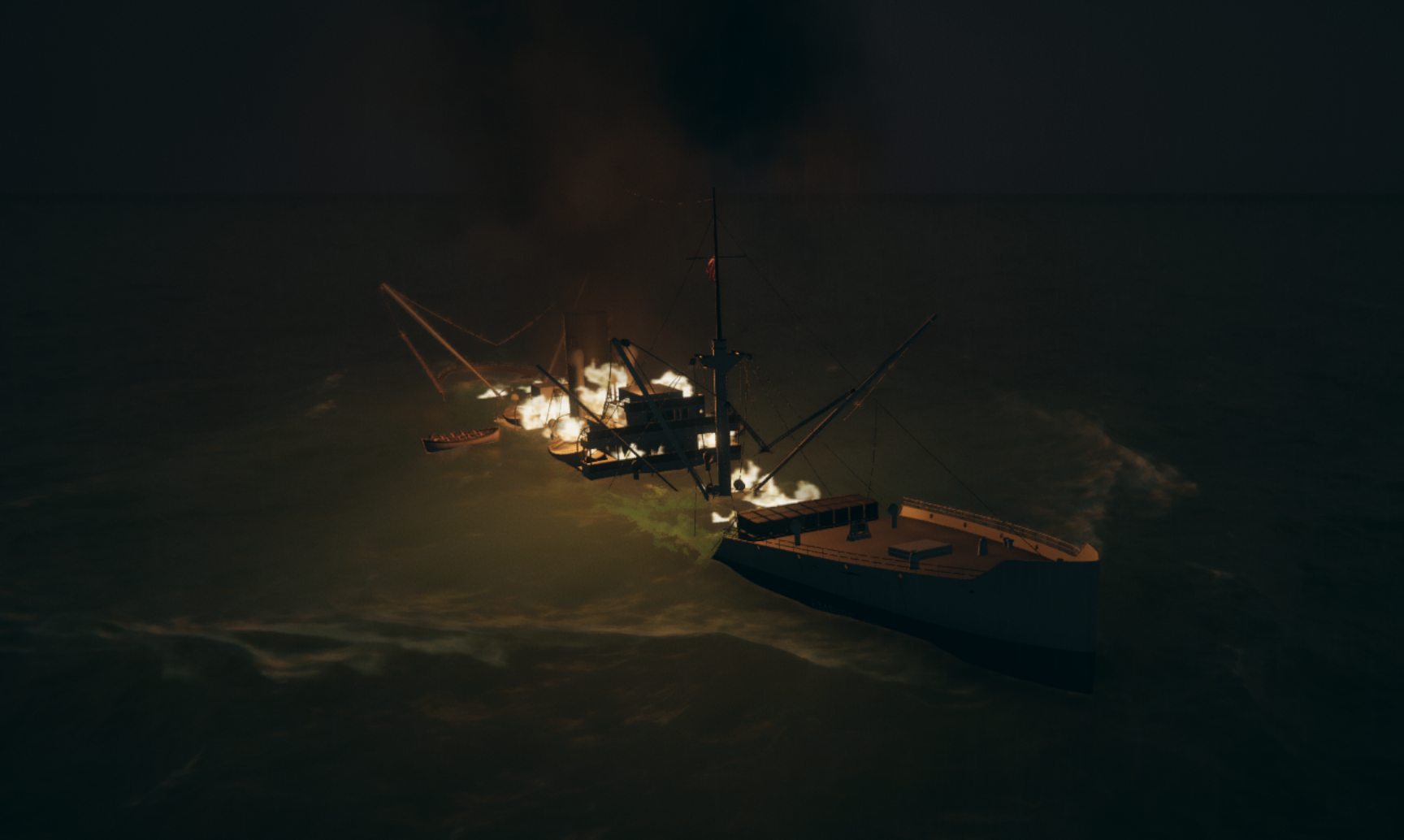
This even works to a degree tactic wise. From wolfpacks to simple sighting reports there is a n overlap. Starting simple, if you know a publisher or a magazine that is looking for stories shout it out. Call it in and let others know so they can participate. Likewise if there’s an anthology or other opportunity that multiple people can get in on. Well form a group and jump on it.
As I am still unpublished that’s about all I can say to the greater publishing sphere, but this over stretched analogy can go even further as it also works for the use of a created world. which could be summed up as the Torpedo Data Computer.
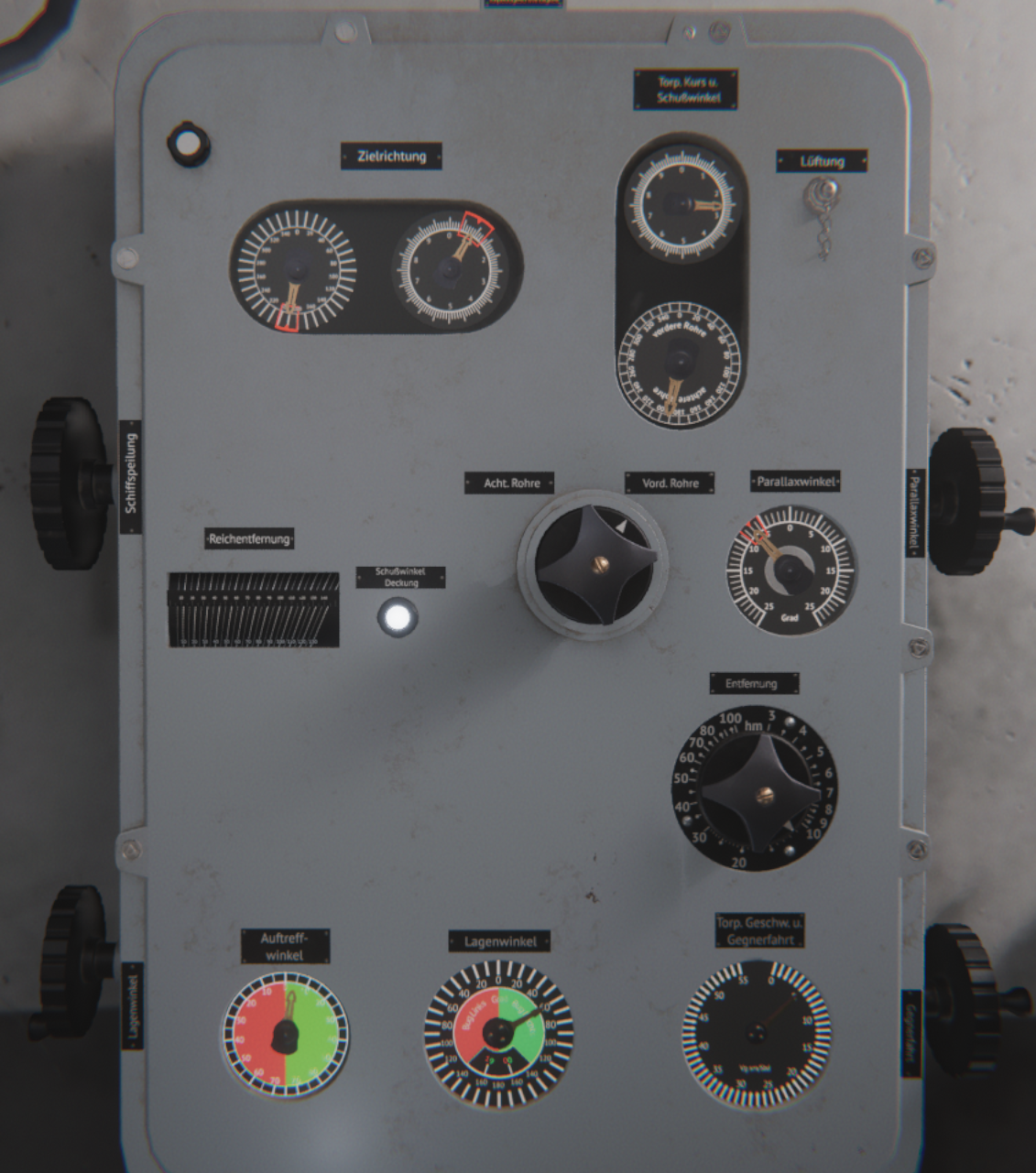
With this device you can program the fish, torpedoes, to go out and hit the target. It only has 3 inputs. Range to target, angle on bow or relative heading, and target speed. With those the computer can calculate where the torpedo needs to be to lead the target and score a hit. There is a bit more on the computer, spread distance, salvo number, where to fire from, however none of that is relevant.
Thus how do these three relate to worldbuilding and the usage there of. The relation here comes from how easy it is to calculate or determine the inputs. Range is by far the easiest. Identify the target and measure the angle between the waterline and a known height, or the angle stem to stern and then consult the table. All in all pretty easy provided you can identify your target.
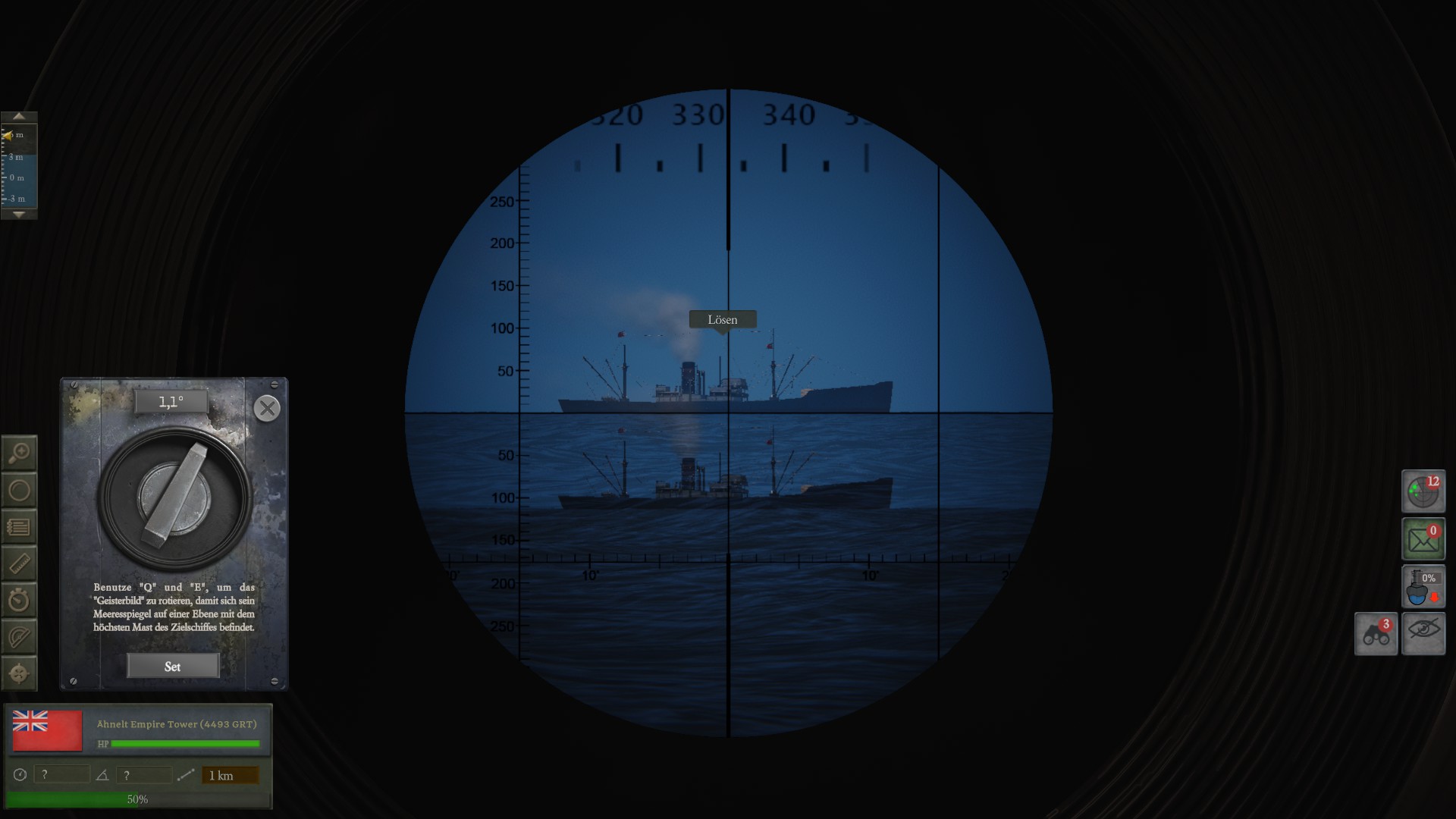
Translating this to worldbuilding this is usually the 'vibe' of the world. Genre would be more academic however I feel it falls short. As it is more than just using and fitting the genre. I will save the tangent into vibes and how they work (or don't) for a latter installment. Regardless using the world that has been built to create an atmosphere and feeling is rather easy. Likewise leveraging that atmosphere isn't something often needed to be instructed. Therefore I will leave with a simple statement: You know why you picked this setting; use it.
Moving on, we have speed. Now to measure speed accurately the Uboat must pull up to the broadside, stop and get a stopwatch. Fix the periscope on a point and time the target crossing the center axis or other fixed point. Once it's across stop the timer divide the length in meters by the time in seconds and multiply by 1.94 to go from m/s to knots if need be round. Remember this is WWII technology expect guesstimations.
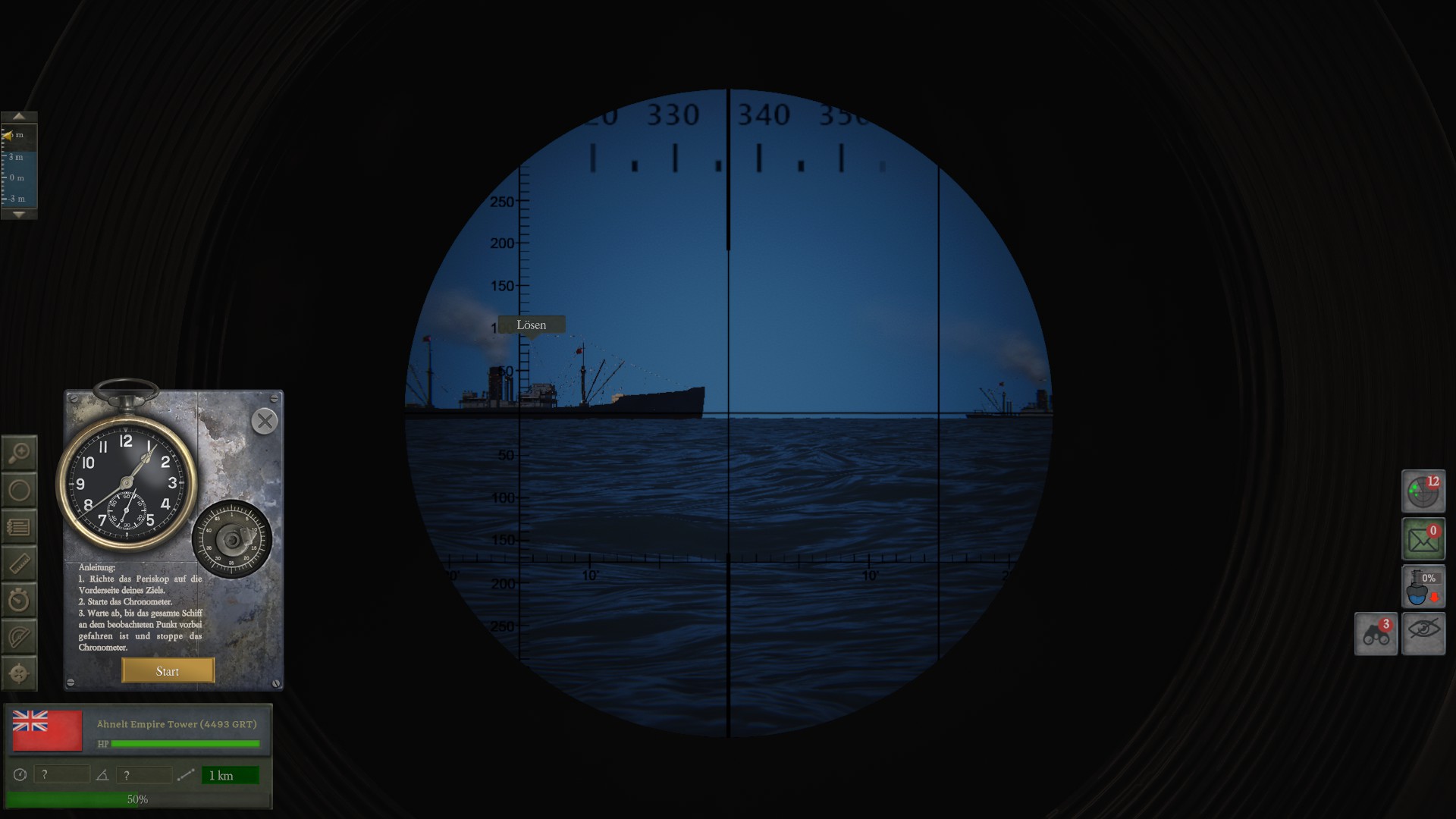
Speed I think best equates to cohesion between world and story. An odd selection at first glance, which is why it works. A cohesive world will connect everything to everything in a way that works. Using the world cohesively in a story prevents hang-ups in the pacing and imbeds seeds for the future in every step.
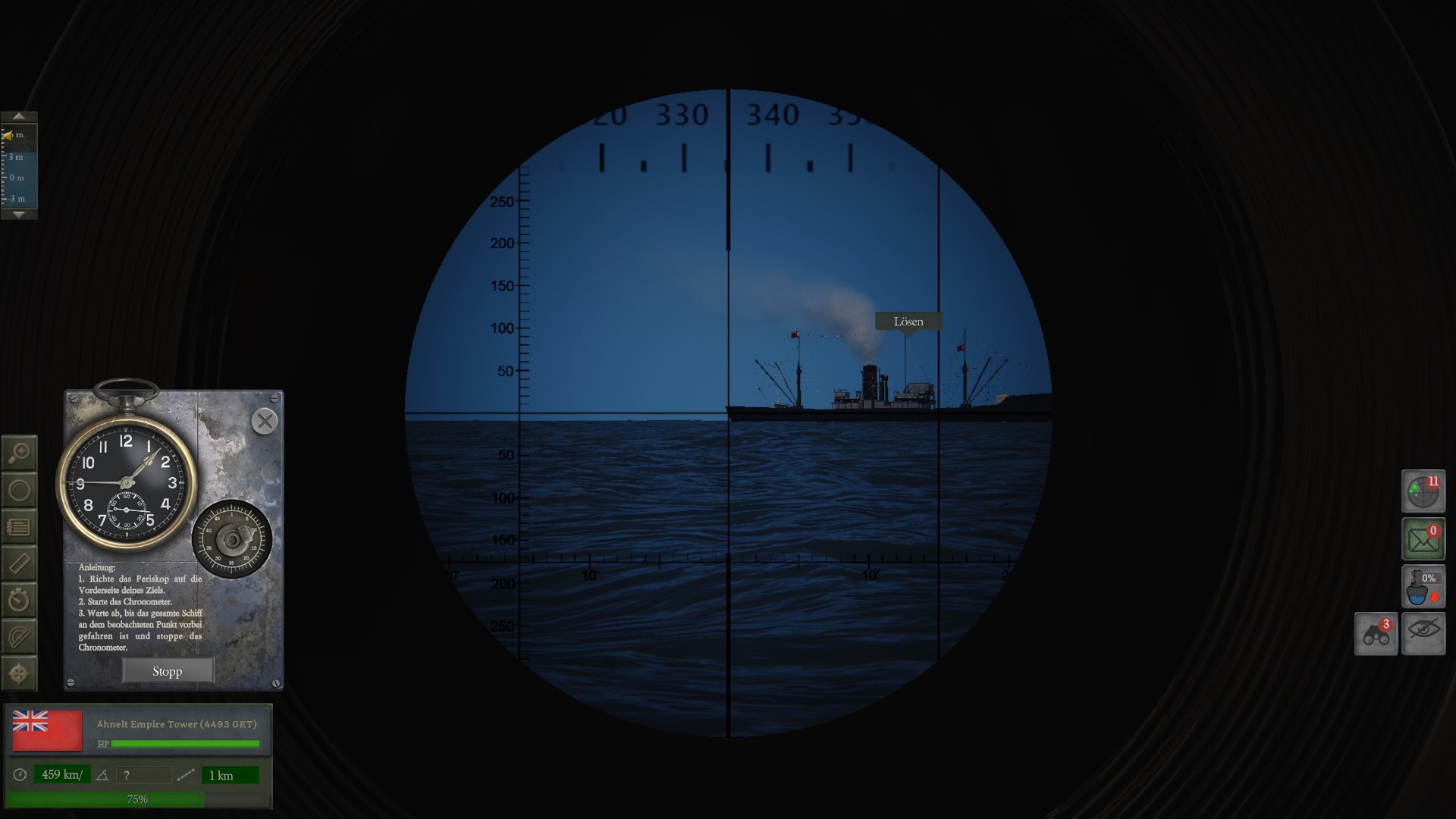
That hopefully sorted how do you be cohesive? Build with intent, and write intent. If one is building as one goes along this becomes neigh impossible, without importing the bulk of the world. Showing a short example on writing is neigh impossible. However should we move to a visual medium say a comic it becomes much easier. Picture a scene where the two leads are debating their next move and one of them picks up a newspaper from a stand the plot doesn't care what the newspaper is, it's simply a prop to say "we're just going 'bout our day, nothing to see here". In writing it would or could be distracting to stop and highlight that Stacie picked up yesterday's Westfield Times with the headline Mackerel Mongrel Murdered. However drawing it into the background doesn't immediately take away from the pacing. Likewise a few weeks later when a scene walks by a newsstand the Westfield Times may have a headline that reads Fishy Murder Case Confounds Cops. This could be continued with a scene in the neighboring town where a newspaper reads, Westfield Fish Canning Company Looses CEO. Does this murder have anything to do with the plot? No. But it adds to the world in a way that highlights that it's connected together.
This setup and background nature is why it's speed. Yes inputting the correct speed or near enough, will allow for a more accurate shot. However that only works if we add the last part, angle on bow or relative heading. This is telling the computer where the target is pointing. If this is wrong the ship won’t be where it’s supposed to be and the torpedo will miss. Good news is that one is shooting 53 centimeter torpedoes at hundred plus meter cargo ships. Thus being exact isn’t required. However too much off will lead to the torpedo either passing ahead or astern of the target vessel. The closer the measure the more accurate the shot.
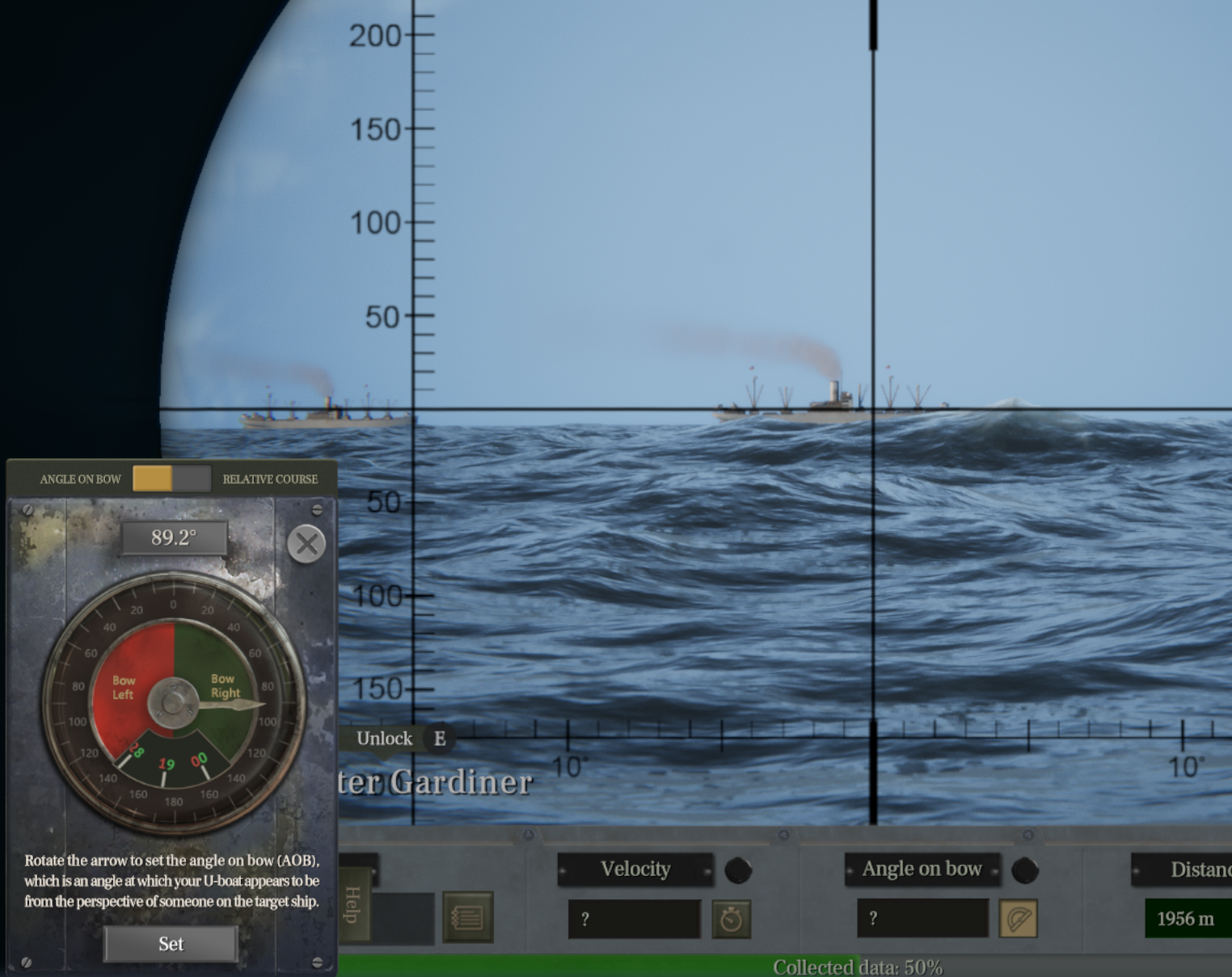
Thus this I see as history, or lore depending on how you want to slice it exactly. Creating this is the realm of worldbuilding. However using too much or too little will either fail to create the depth one is looking for with the worldbuilding or bog down the story with so many details it turns into a quagmire. I think there are three ways to measure out the correct amount of lore for the world: use what they know, use what is needed and use what is impactful.
Taking it in reverse order; using what is impactful is the easiest way, and what most people default to. If it’s not impactful then don’t mention it. I find this is likely to undershoot or overshoot as dialing in what is ‘impactful’ is more artform than anything. Is that tapestry with an old family crest impactful or is it simply wall art? Is the history of that family important? When does the story get impacted by this information? Those are the questions that will end up being asked when one is writing. Depending on person one will either answer yes too many times or no to many times and end up with more lore and history filling up the page where story should be. Tolkien is an example of this being done well and wrong at the same time. From a story standpoint Tolkien does it poorly, often derailing the story to fit in the mythos of Middle Earth into the book; which when taken from a more mythological standpoint this derailment makes the mythos more of a mythos.
Using what is need for the audience know is a bit better from an under or over shooting however there are issues. By making all lore functionally need to know the question what is needed to be known comes to play. If done correctly I believe that Eragon by Paolini does this rather well. As Eragon doesn’t know anything he is told when he needs to know and as such we, the audience, also are told when it becomes relevant. Yet this can lead to the dreaded infodump. Where blocks of text drop tomes of history on the audience with little to no context. These are to be avoided for hopefully self evident reasons, as they derail the plot. However when done properly I find it a rather acceptable way to create and manage the lore drip into the book.
Lastly and in my opinion the most reliable way of dripping lore into the narrative is to use what characters would know and nothing more. By having to filter the world though those who live in it one ends up tinting the information given. It also allows for unreliable information to be sent to the audience as different people may tint, lie or simply not know the correct way of the world. This gives narrative options for twists and unreliable information. Which can be a good way to cover future retcons. Yet this approach can be tricky as knowing who would or should know what is a rabbit hole and a half.
Unsurprising as it may be the best plan to deal with this is to use all of the options. Highlight the impactful parts of lore and drip feed it in though characters that my or may not know what they are talking about. This may be easier said than done, as balancing these is more art than science. This is also a good time to bring back the square.
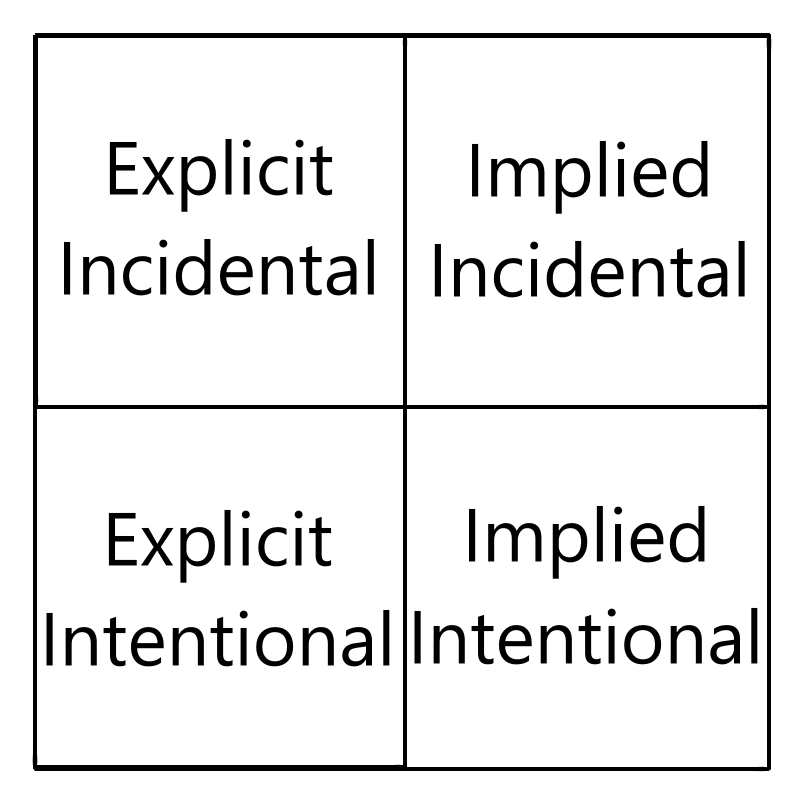
No matter which tactic you use provided you aren’t blundering into it, you will end up in the intentional portion of the square. Using the worldbuilding the intentionally is the other half of the equation. If built intentionally and then used haphazardly it will spoil the work you’ve done.
So to put it all together. Go out there, hunt down your audience, if need be gather some friends, and take special care to use you’re genre, use the world cohesively and make sure to calculate how much lore needs to go into the story and fire away.
Hope to see you out there and happy hunting.