
Thinking of the Children
Wolrdbuild Wednesday ep. 17
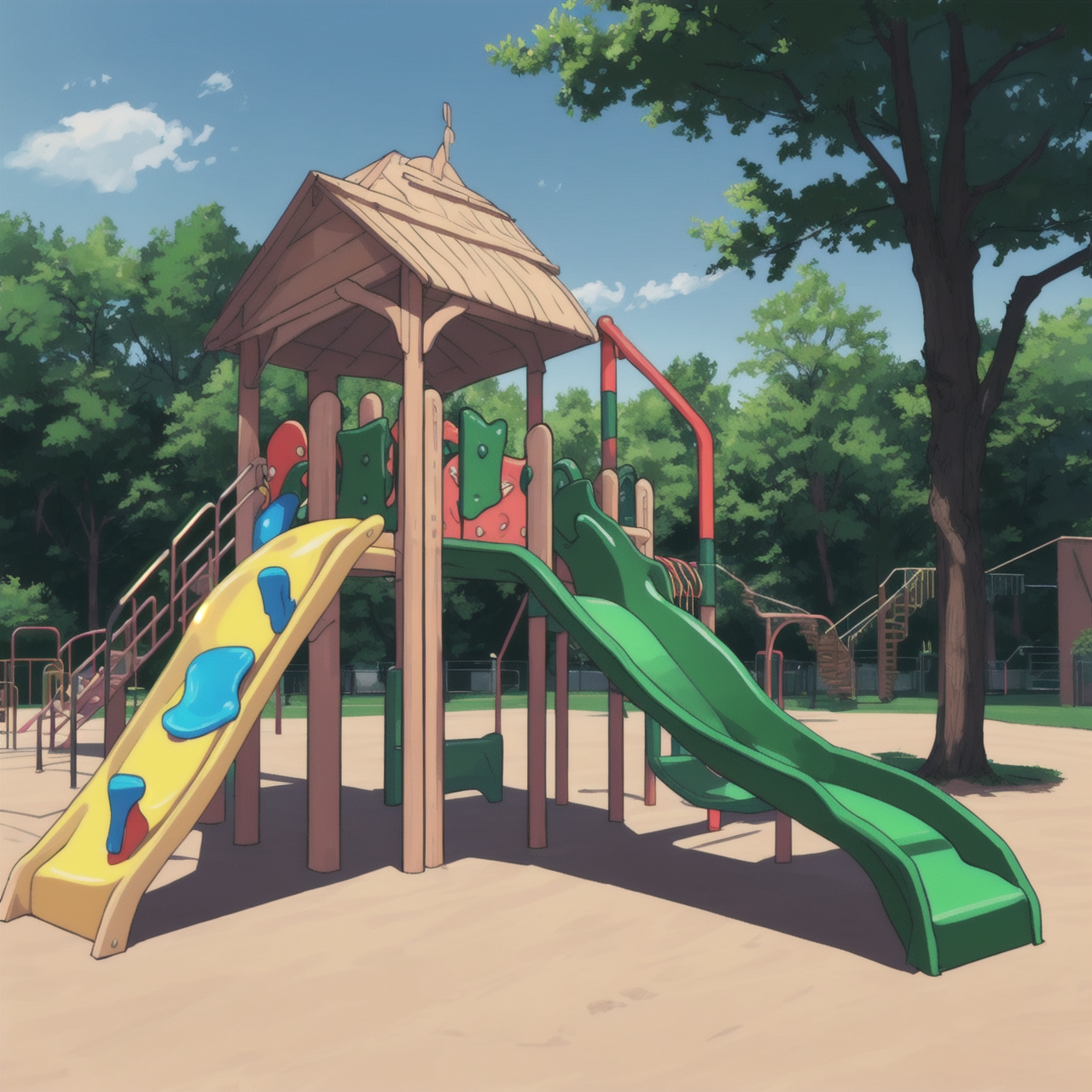
I always wonder how many character focused writers plot out the childhood of their characters. This can be dropped for the children characters, kiddo is a child after all. Yet for their adult characters how much thought was put into their childhoods and for those looking to create a coming of age story the differences between childhood and adulthood need to be taken into account. I’m not targeting coming of age stories, at least not this week, but rather the question: What is childhood? At first it may seem like a strange question; but the answer can redefine a culture.
Generally speaking childhood is something remembered, and not an institution to be inspected. Yet when building a world it is that, an institution. One that is a department of it’s parent culture and is often as complex as it’s culture. While it isn’t always necessary to create the complete culture of children having the bones and structure of the system that operates childhood is often enough. It is important to know because childhood reflects the primary culture, and the primary culture remembers their childhood.
The first question I ask: How formal is childhood? Are there clear expectations, formalized institutions, and milestones, for lack of a better term, that block out childhood? If there are than it’s probably easier for children to understand if they are or are not achieving. How this structure, or lack there of expresses itself is best left to the character by character basis. Having the ‘expected’ results of any structures that exist will help mold the characters and possibly provide some universal connections.
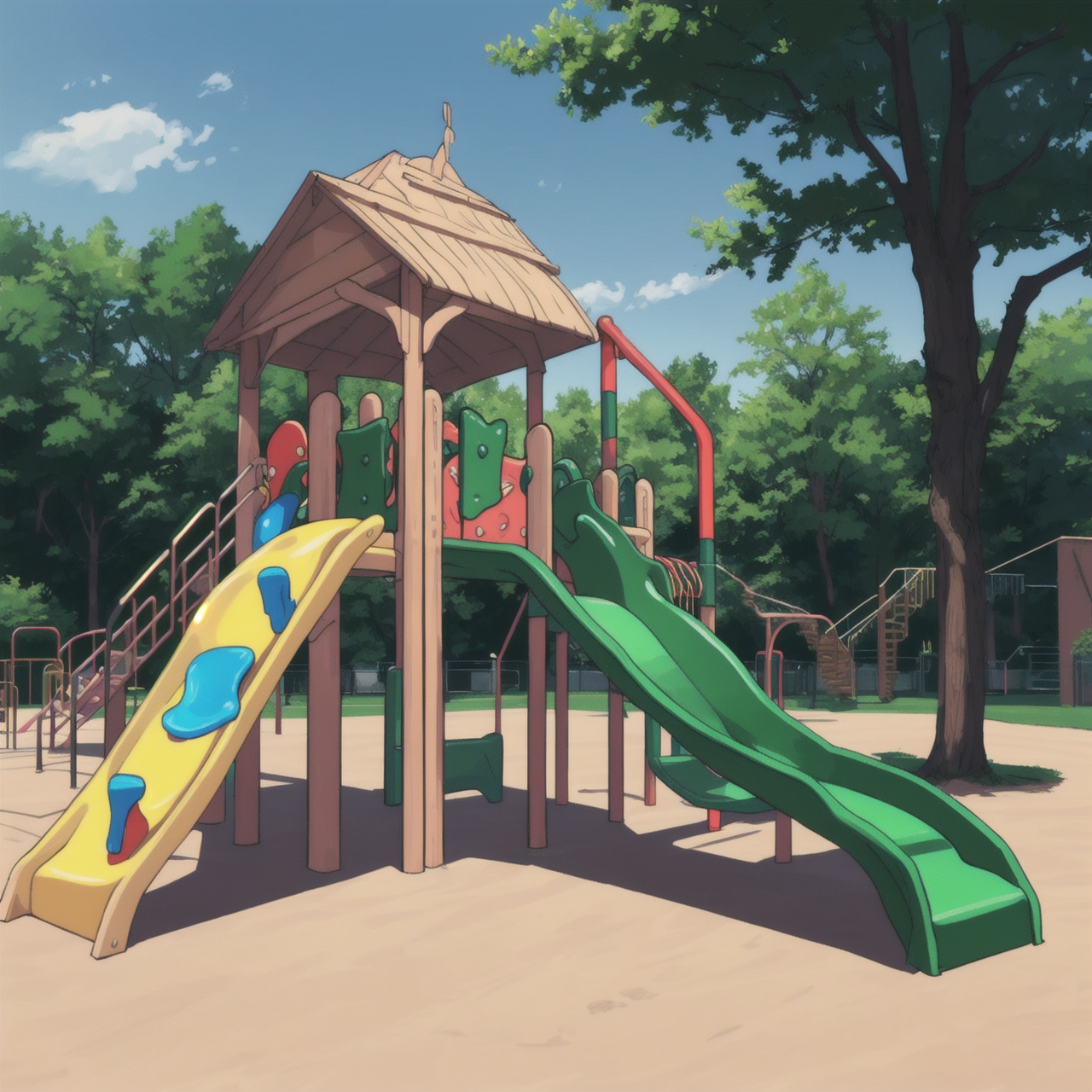
The second question I ask is how separate is the experience of boys form girls, and of course girls from boys? While I have no experience being a girl I suspect any modern girl and I will share more of our childhood than should we have been born even a fifty years earlier. With created worlds the possibilities for closeness or separation are limitless. There could be cultures that physically separate boys and girls for the entirety of childhood, or while not physically separate the structures they interact with keeps them fairly separate. The opposite could be true where boys and girls are treated as the same, with childhood attempting to beat out as many differences as possible. Again the similarity or difference will echo though into adulthood. Personally I would recommend having more differences than less, it allows for more character both in the characters and the world.
The last question is what restrictions are placed on the children? Obviously there should be some, I’ve heard toddler's go looking for death after all. Yet is there physical restrictions, social restrictions, parental restrictions, or a combination of all the above? In some cases more restrictions may be better, other cases may replace hard restrictions with consequences. Sure the door isn’t locked, but you won’t get dessert if you go though it. These differences are important, as how things are done will shape what people take away from their childhood.

The last part of childhood to note is it’s length. Is there a hard cut off, say one’s eighteenth birthday? Is there a soft cutoff like the birth of your first child? It could be the same for boys and girls or it could be different. Boys may become men at a fixed age, say 21; while girls become women after giving birth and not a moment before. This does play into the question about how similar the experiences of boys and girls are, for if the end state is different than the structure may change. Use this as a final ‘sanity check’ on the structure, as the ending usually known as coming of age likely be next week’s topic.
Putting this together I’ll use Slonminma as case study. Childhood in general is seen as the ‘training period’, and the differences between boys and girls is very strong. This stems from the hostility of the wilderness and the prevalence of the wilderness, thus men have to be the guardians of society and as such are given sixteen years to become competent and capable. You never know when a danger will appear and men. Thus boys are effectively asked: How are you going to defend humanity? How are you going to contribute to society? Where are you going to live? Thus boys are all but driven into apprenticeships and some form of combat training. Girls on the other hand are given an equally difficult challenge: Find a husband and figure out how to keep him from dying. As I’m sure a few wives will know this can be a tall order at the best of times, let alone in the more wild Slonminma. The tactics taught to girls are the time tested, figure out how to make his life easier and give him a family to come home to. This is a reflection of what the adults are generally doing, and how things are put together. This will be made apparent with coming of age ceremony which is for next week.
No matter how your world approaches childhood remember it will leave it’s fingerprints across the rest of society. While the specifics are likely only needed should one write a child’s perspective or if one has children characters. Personally I find the absence of these fingerprints a frequently missing ingredient that would add to the completeness of the story. With that I will leave you for next week where I’ll be going over the worldbuilding for the coming of age story.