
Star Liners
A minor rant about traveling the stars
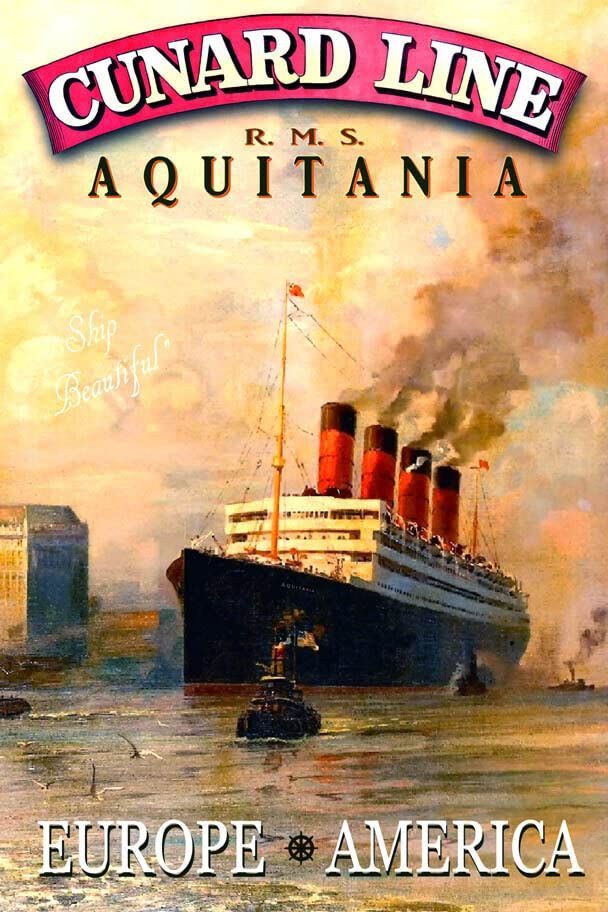
I have been helping a friend or two with different space based worldbuilding and have once again come to the conclusion that no one seems to understand how space travel could work or should work within a narrative. After some pondering I think it’s come down to modernity, the usual suspect.
What is the problem with modernity and why are you complaining about?
In short I find the average person thinks of travel they think of it in the terms they have experienced. This is something that cannot be faulted as many creatives have either referenced or expressed the sentiment “If you want to create _____ don’t go and get an education in it, go do things and create around that.” I would attribute it as a proper quote but I honestly can’t find the root. Tangent aside this leads to people believing there are four modes of transpiration: foot, road, rail and air. Foot is usually left for hipsters in their cities and as such is seldom used outside of the urban environment thus for space travel it’s rather useless. Moving on to road, this tends to be good for smaller groups of characters and is often used when the journey is as or more important then the destination. Rail in space thankfully is seen for the nonsense it is although a few interstellar trains have appeared to my knowledge. Then we have the most common, air travel to other planets. While I can go into details on how these would work and why one could choose to draw from one over the others I will leave that to future me.
The missing aquatic travel if that is oceanic liners or riverine steamer I chalk up to the modern person not having much interaction with water ways. A sole exception would be the pleasure cruise, which while enjoyable, isn’t really a from of transportation. One can book a point to point ride on a cruise ship called a reposition cruse, however they are at best semi-regular as the ships re-position in between seasons.
This is in stark contrast to the ocean liners, passenger ships that run regular service between cities. While largely replaced by transatlantic airfare there is still one. Queen Mary 2 operated by Cunard is still regularly scheduled for transatlantic voyages running between Hamburg and New York with a stop over in Southampton. Which in my opinion is the prefect solution to the majority of space travel.
Okay what is an ocean liner?
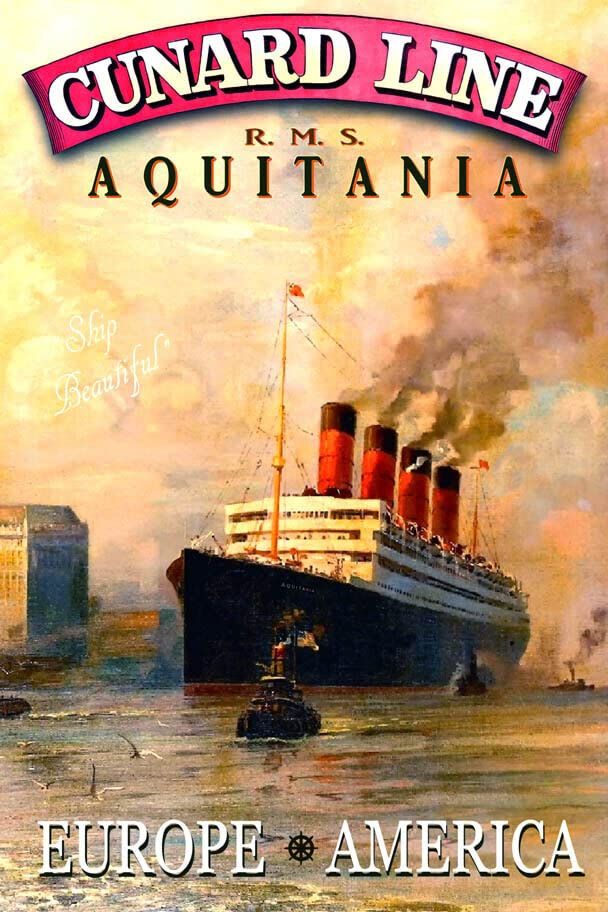
An ocean liner is effectively a ship designed to take people from one side of an ocean to the other as quickly and comfortably as possible. Thus it’s easy to understand why they were replaced by aircraft. A weeks journey by sea turned into a day or two at most via air saves a lot of time as planes matured as a technology ships slowly faded into obscurity. While I can understand the market forces that lead to the downfall of the great oceanic passenger liner I must assert that these ships are more than would first meet the eyes.
However before we dive into ocean liners properly there’s another form of oceanic travel that needs to be mentioned. The ship for hire. This fits in times that are more akin to the age of sail. Frankly I see it as the more common solution in science fiction, but one that isn’t as good for larger stories or worldbuilding in general. I’ll add it to the future me list. But that’s his problem; I have star liners to get to.
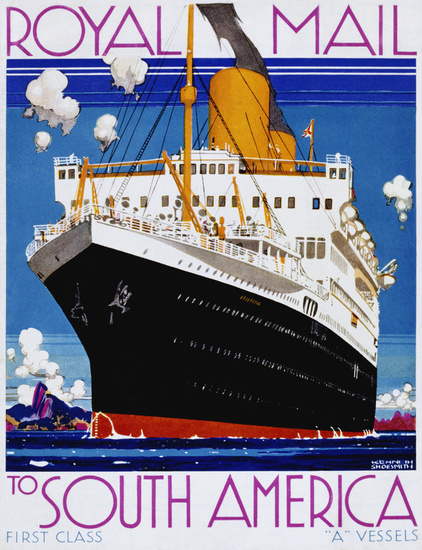
Ocean liners were the big deal of their era. As they were the flow of goods, people, and information across the globe. While there was the transoceanic telegram cables the bulk of information went by letter. Thus sending the mail was as if not more important than moving people. As an aside this is why most British liners are RMS, it stands for Royal Mail Ship. They carried the Royal Mail as well as passengers some shipping lines made more off of mail than they did passengers.
If we want to bring this into a Sci-Fi universe the first thing that needs dealing with is FTL communications. Specifically it should either be expensive, limited or slow. Now slow isn’t something usually connected with faster than light, because it isn’t. Yet what if FTL communications were at dial-up speeds or slower. Sending any large amount of data could take hours if not longer. Thus regular service between major population centers to transfer meaningful amounts of data in a reasonable amount of time. This alone could facilitate a star liner however there is more to the ocean liners, than just moving people, things and information.
Liners were status symbols. As most major shipbuilding nations had at least one if not two companies. I have seen some argue that if a nation didn’t have at least one shipping company operating an ocean liner they don’t qualify as a major shipbuilding nation. I don’t completely agree with that assessment as some nations such as Japan built and operated liners but were still dependent on outside shipyards for the majority of their fleet, both civilian and military.
This is the portion that is rather setting agnostic. If a nation doesn’t have home grown liners and claims to be a powerful nation cast some doubt. Maybe they are seen as backwards, poor or subservient to another nation that service their ports with liners. Maybe a small nation makes waves by launching a new liner that is better than anything thought possible in their nation. Likewise a nation wanting to highlight it’s power may build big, fast and luxurious liners. Then advertise their liners to strike against their opponents.
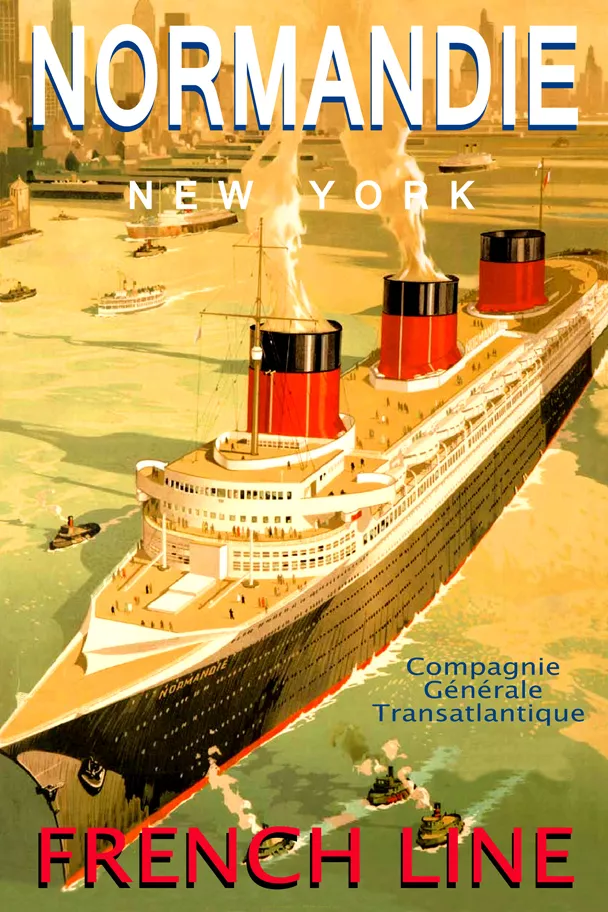
Speaking of nations building big, fast and luxurious each ship was designed to be a representative of their nation. The bigger the ship, the faster it could cruse, the more comfortable accommodations, and the more luxurious the ship was the better it was for both the line and the nation that line was from. The most commonly known accolade the ships fought over was the Blue Ribband, an unofficial award for the fastest transatlantic crossing with separate awards for east bound and west bound crossings. It also is the easiest to highlight. If a ship won the Blue Ribband she and her sisters would see a rise in passenger demand and as such a rise in ticket price. This would then fill up the other smaller and older liners. Likewise if another line took the Ribband from a line it was quite the blow to prestige. This got so serious that both the Royal Navy and the United States Shipping Board started passing money under, and over, the table to ensure their nation’s ships were the best and ready to be drafted should a war come.
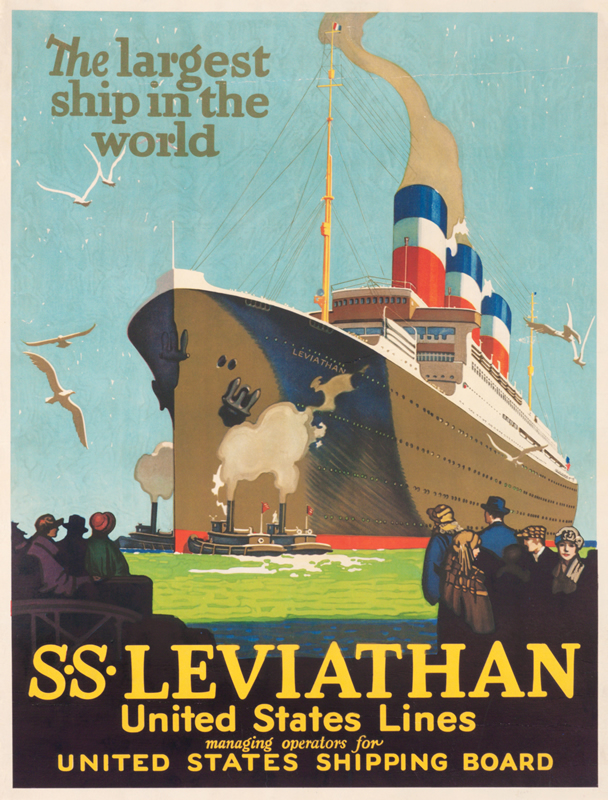
This has many interesting options for the aspiring writer. As the Sci-Fi future is rather pro self defense it is possible that these navy funded liners may be built as Armed Merchant Cruisers or Q-Ships to help stop piracy. While operating as liners they could have more than enough armaments to protect themselves and enough speed to escape anything they can’t out fight. Remember these ships are meant to be fast. Likewise if another nation builds bigger, faster, or more luxurious it could be quite the political sandal. One that could send various government departments, boards of directors, newspapers, and the general public into a frenzy as now we as a nation are clearly in decline. At least until a new ship is built or an existing ship refitted to take back the accolade. Maybe a nation’s ships have to be built to a common form in order to get naval funding which may or may not be a a good thing. Going back to the Sci-Fi front maybe there are spit divisions between those space bound ships and the ones that can enter atmosphere and take off back to the stars. Perhaps different nations see star liners in different ways and as such there’s arguments around what is or isn’t a proper liner ensue. For with a clear cut between atmospheric and non-atmospheric liner perhaps there are rivalries between the blue sky and black sky lines. Maybe nations only count as proper if they have both style of liners in service. The sky isn’t the limit here.
Lastly to expand on the pervious point about drafting liners RMS Olympic became HMT Olympic during the first world war. The great liner was gutted and turned into a troop ship. Her speed meant that the U-Boats had little to no chance of catching her, and thus she was able to cross without having to wait for convoys.
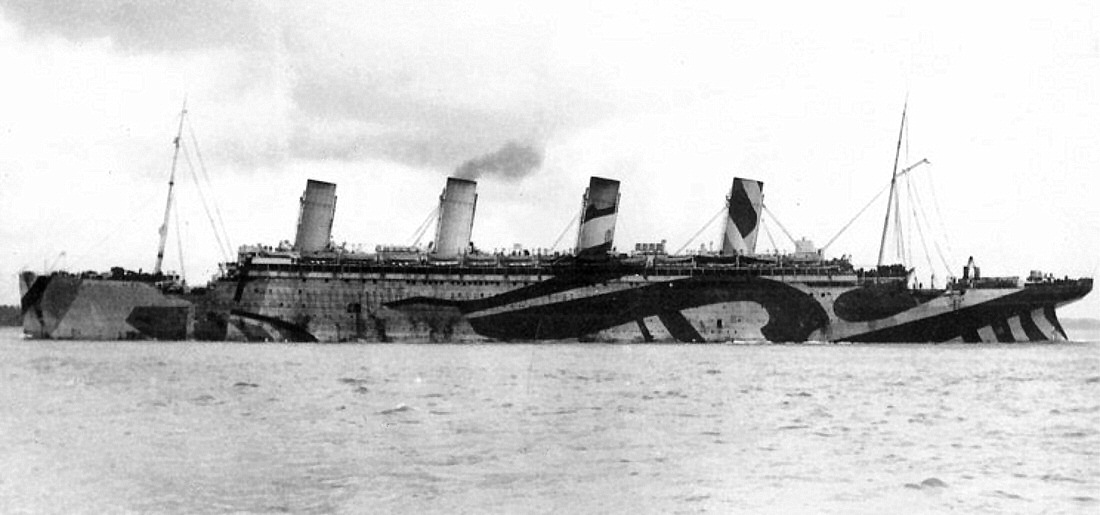
Her younger sister ship Britannic became HMHS Britannic as before Britannic could be completed as a liner. Sadly HMHS Britannic didn’t survive the first world war, hitting a mine and sinking in the Aegean Sea in 1916. However this shows us another way that the star liner could be used in a narrative.
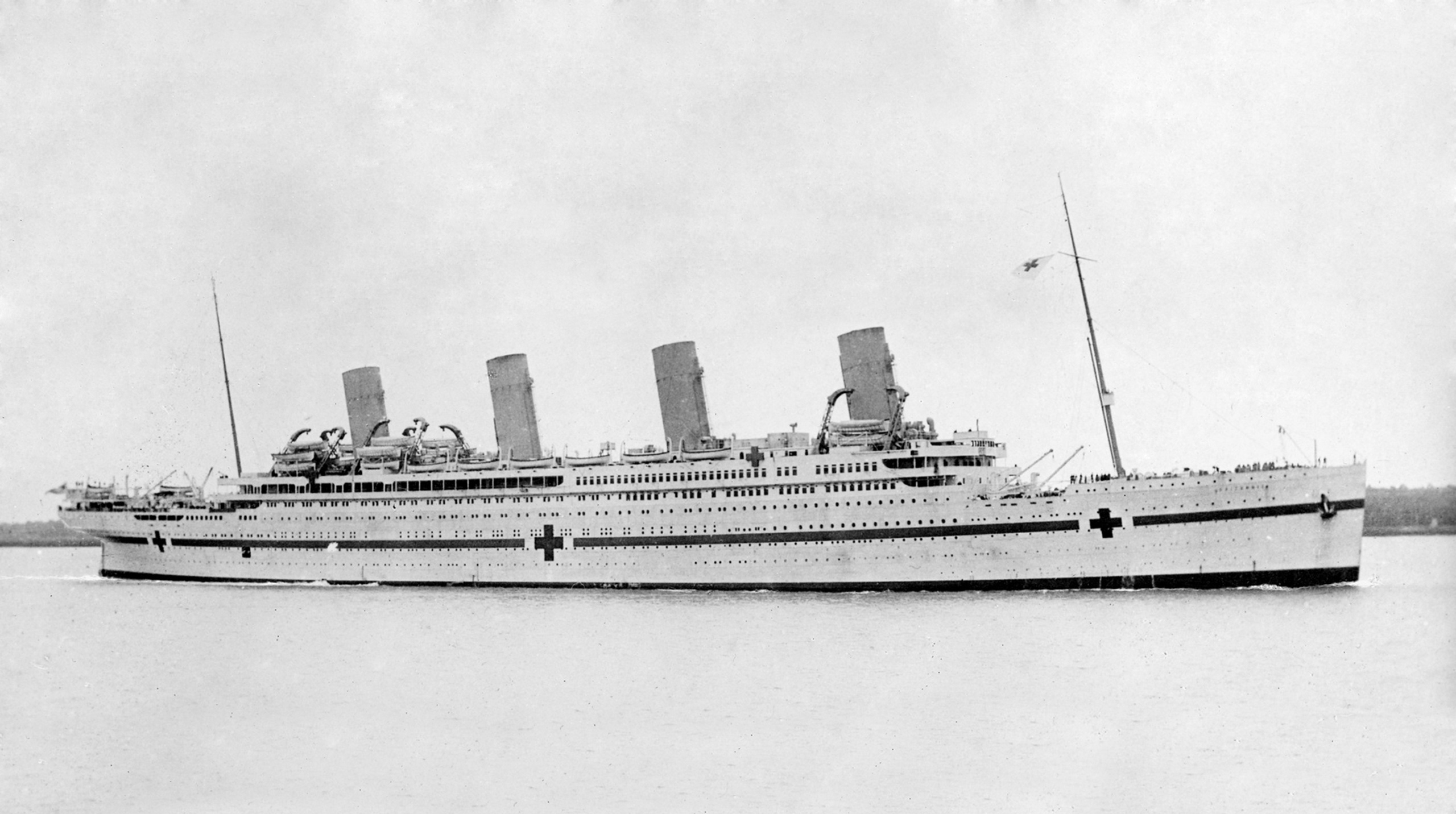
If one is writing or planning on writing a war epic and is working on the gathering storm portion of the narrative. It may be worth mentioning a few ocean lines or liners to have them show up later as troop transports, hospital ships, floating command posts, or prized targets that need capturing or destruction to break a critical supply line. With possible politicking on the side as different arguments on if it is worth risking these status symbols of the nation to win a war.
This is all well and good but weren’t you talking about space travel?
Yes, my stand-in for the reader that is where I’m going. Background is worldbuilding and worldbuilding is my thing after all. Thus what are the problems with the road, rail, and air travel that gets fixed with the implementation of star liners.
With the road trip, the upsides of having a small ship pushing characters together and the freedom of movement which can lead to good stories, and good character moments as their space RV doesn’t let them get away from each other. This is all well and good for a story. Yet how would that work for the worlds involved. Everyone hates traffic, and well think about an entire planet’s worth of traffic going though local space. While I understand space is spacious, but spaceports might not be. Think of the issues with the large airports and now have any Joe Public joining the fray. It will bog down under the scale required or the number of spaceports will make flying an overly complicated mess. There is the solution of space buses however I think the economy of scale will be working against them in the long haul market. Which is the issue with the airline model for space travel.
The average regional airliner ends up averaging 100 seats, where as regional buses average 55. Which is the scale of transport I see working for orbital hops to transit continents and planet to moon trips. However beyond that we would need to look at the wide-body aircraft. Capping out at 850 seats I see this as the short haul equivalent. Interplanetary trips and maybe jaunts to the neighboring star. I will admit it does depend on if there is, or, how the FTL works. If you run the numbers to get to the moon at 1g it’s around two and a half hours so probably a three hour trip after spaceport transiting. However outside of the moon things are rather far Mars is roughly 60 hours Venus roughly 26. Thus air travel as a model simply too cramped.

Thus we see the amusing attempt to make train travel take to the stars. While trains may have similar max travel times when compared to airplanes; as the longest air trips are nineteen hours or so and rail trips may be multiple days. The Empire Builder, the train that runs between Seattle and Chicago takes 46 hours. If you then continue on to New York that’s another 19 to 27 hours. Thus depending on route for a total Seattle to New York travel time of 79 hours or so. Now having been one of the few Americans who have traveled by Amtrak I can point out the train is set up in such a way to not make everyone go stir-crazy, but that’s about it. Add in the differences between construction and infrastructure and it’s easy to see how it doesn’t really work. Although I must salute the few authors who decided to lay physical tracks though space for trains to run on, and the ones who create space trains with different cars docked together. They deserve it for the nonsense.

Thus we circle back to the ocean liner. Instead of being set up to keep people happy and healthy for a day or three at most you have floating hotels with grand suites, full service restaurants and other amenities. Plus there’s enough space to walk around, meet people and generally get into, and maybe out of trouble. Likewise if we accept the transoceanic framework there are limited ports of call that the large ships can service, with the lower capacity transit options bringing people to and taking them from the ports. This mirrors what was done in Europe and America. New York and San Francisco being examples of the largest ports in North America. Having a large number of other transit options bringing people into the port so that the ships can collect them and take them away.
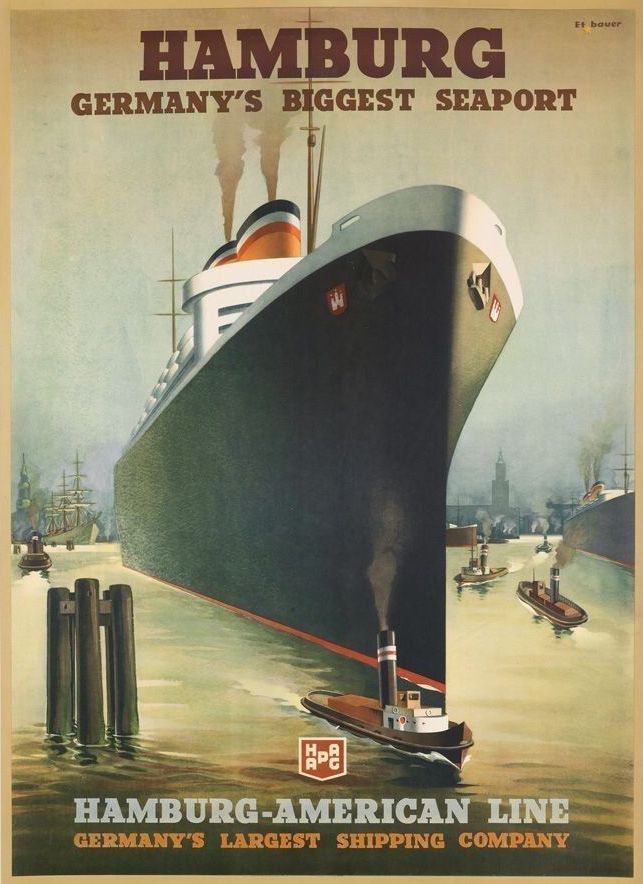
This consolidation then allows for an economy of scale. A topic that could be it’s own article in all honesty. The way it works boils down to the more moved the less it costs per unit. Thus while it may cost more to move 70,000 than 70 the unit cost is significantly less.
Applying this to transit allows for cheap fairs and thus allowing for more people to buy in. For example an interwar ticket to America could have been as low as $75. Not cheap, but with a manufacturing job at the time paying $22.08/week that is roughly a month’s pay for a ticket to the old world. This allows for people to travel to relocate and travel to explore the world at any level of income. While I won’t harp on social economics, common sense implies: the more people who can afford to do something the more who are going to do it.
That last part, making travel cheap and for the most part easy for the masses is why I look to the ocean liner. If anyone can get a ticket for a few months of work that means people will travel. This allows for more of a churn in the setting, more options for things to go wrong, characters to bump into, and in my opinion a better backdrop for whatever travel your characters are doing.
What do you mean by backdrop?
In short setting. If you want a road trip in space, having large liners being seen and rejected highlights alternate routes that could have been. Which adds to the background. If instead your story requires a space private jet, having the liners take the commoners can show how special these characters are. Likewise going aboard the massive interplanetary liner can provide the downtime for characters to interact and decompress before they BBEG decides sinking the liner should end their escape.