Planning a City's Streets
Worldbuild Wednesday ep. 16
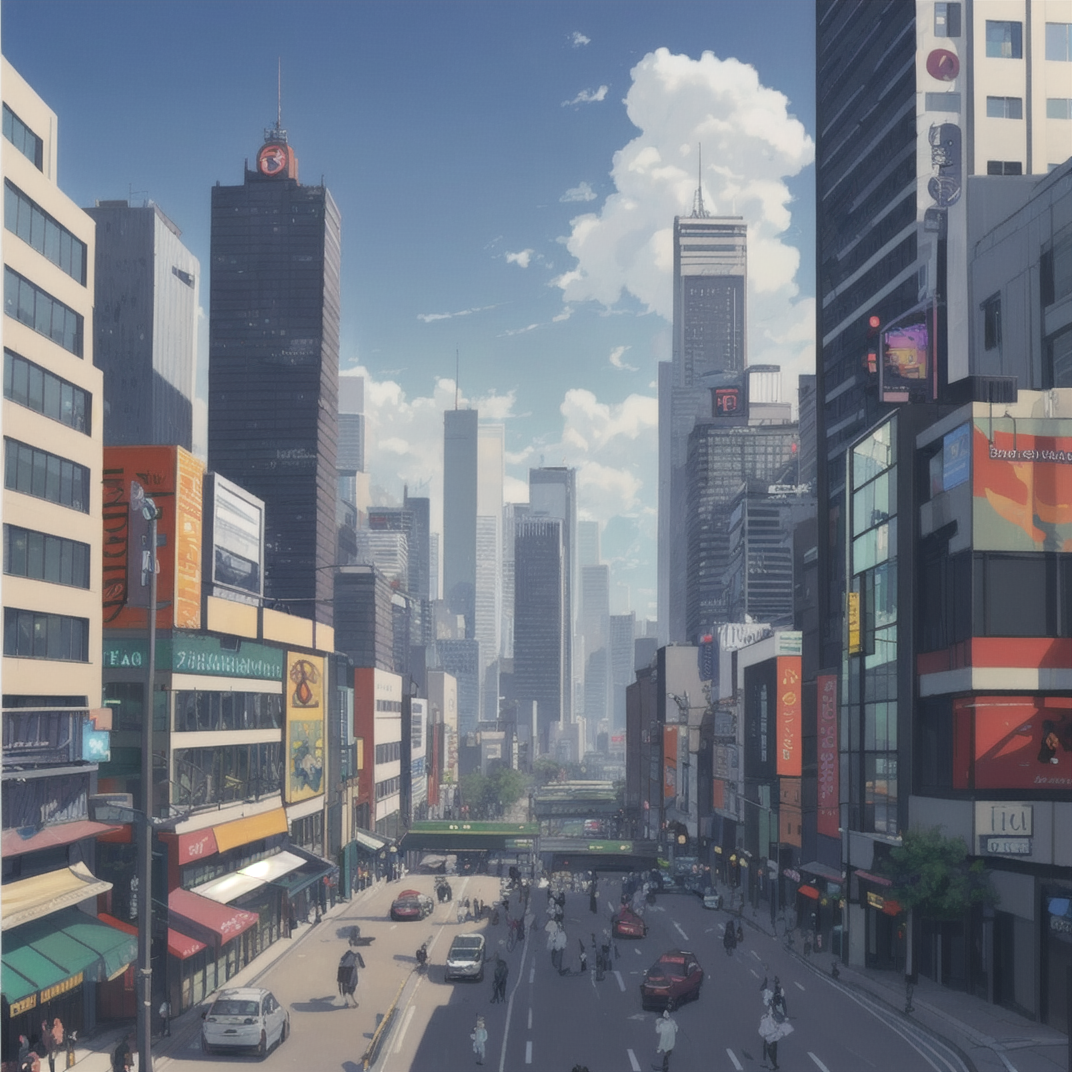
Ever since I talked about adding verticality to cities back in January I felt like I should talk about urban planning more generally. Well I’m going to do that this week, with the caveat that I’m not a city planner. I don’t even play one on TV, yet here’s how I would build plan a city and use that planning in my stories.
Starting out like most things it’s important to know what time period one is working in. For example in a recently industrialized world the concept of zoning, or urban planning, may not have been invented yet. Likewise in the far future there may be use cases for the land that don’t exist currently, not to mention the possibilities with fantasy.
With the genre picked the next most important piece of information is the age of the city. A new founded city will have less going in it and more going on with it. Where as an established metropolis will have much more going on within the city and a lot less going on with it. Think of it as the number of stories using the city as a backdrop vs a character. Not the most precise language however I believe it carries the meaning. With an age there are two ways to build a city, top down and street up. Top down is the more ‘planned city’ and street up is for when you need that feel for the story, both have their merits.
Top down, or perhaps overhead view, is better for when one is building something for a more interactive medium, such as a table top role playing game or a video game. With the audience being given a degree of agency to explore there needs to be a better view of the ‘whole’ than when the audience is limited to the words on the page or the camera’s perspective. I would start with the oldest part of town. Put it somewhere that would make sense, which means prioritize easy access to water and some reason for the people to stay. Grow the city out with districts that are focused on a thing, could be specific like this is the new wharf district or the steel works, or something more generic like market space, or housing.
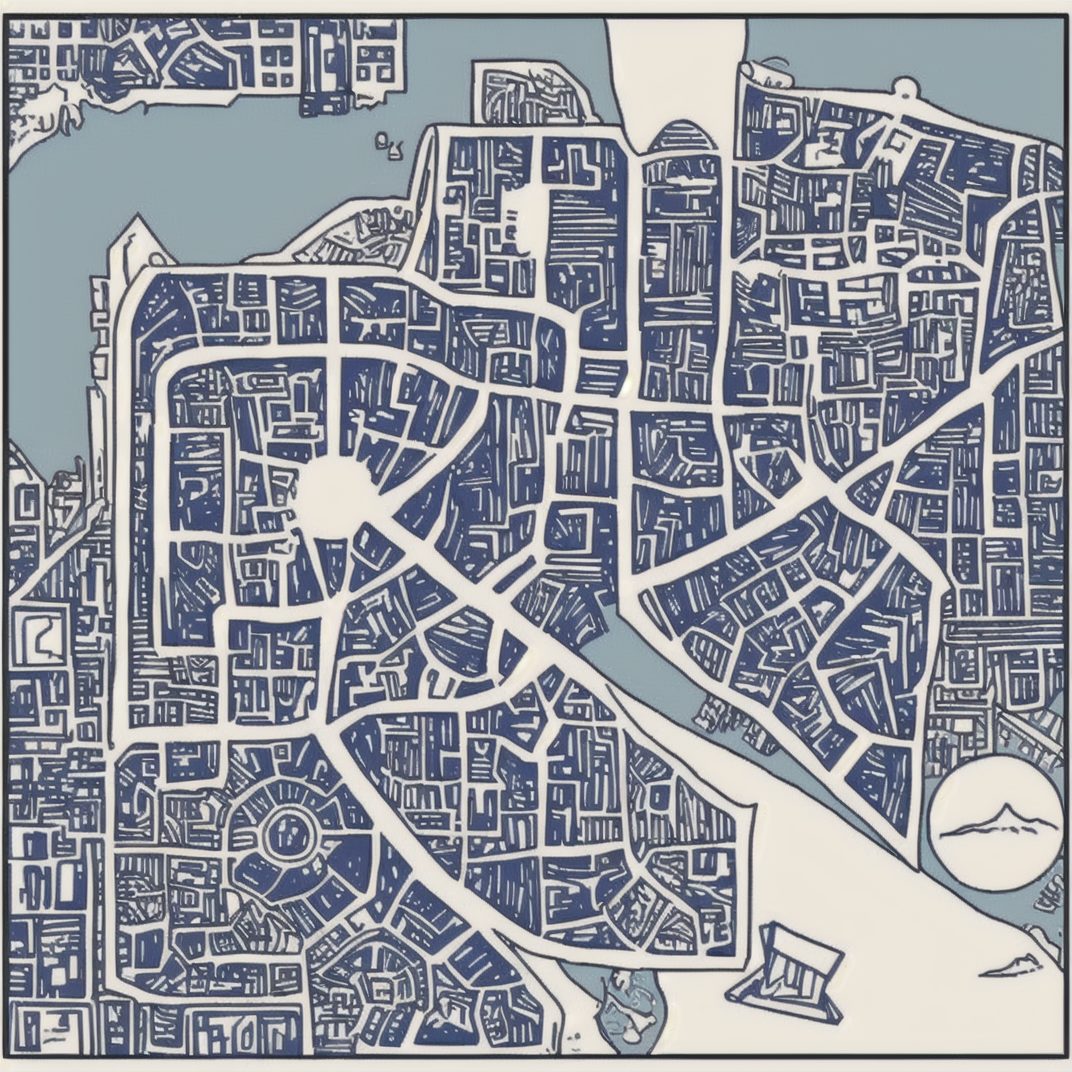
By building the city district by district from oldest to youngest one can layer the history of the city. Which for those who read last week’s episode of Worldbuild Wednesday will see the parallels. Outline a district come up with it’s story, add on to it. Repeat until the city is built up and you’re happy with it. This way the districts grow out from each other and when creating the next. I would also highly recommend building with a map, if possible an iterative map so each phase is saved, and don’t be afraid to re-develop over time. There are various points in history where people knocked down large parts of cities to build something new. Just remember to keep the old map, they can make for good secret passages, places for rumors , ghosts and other such things.
Likewise think about who is where. Both from a demographics point of view and an interest groups angle. For example is there a district that is all women? Does a Chinatown or Little Italy exist? Any gang wars split between districts? When did they arrive, or get created? This history should also be tracked with the districts. This can be useful to come up with characters that fit and embody the different districts down the line.
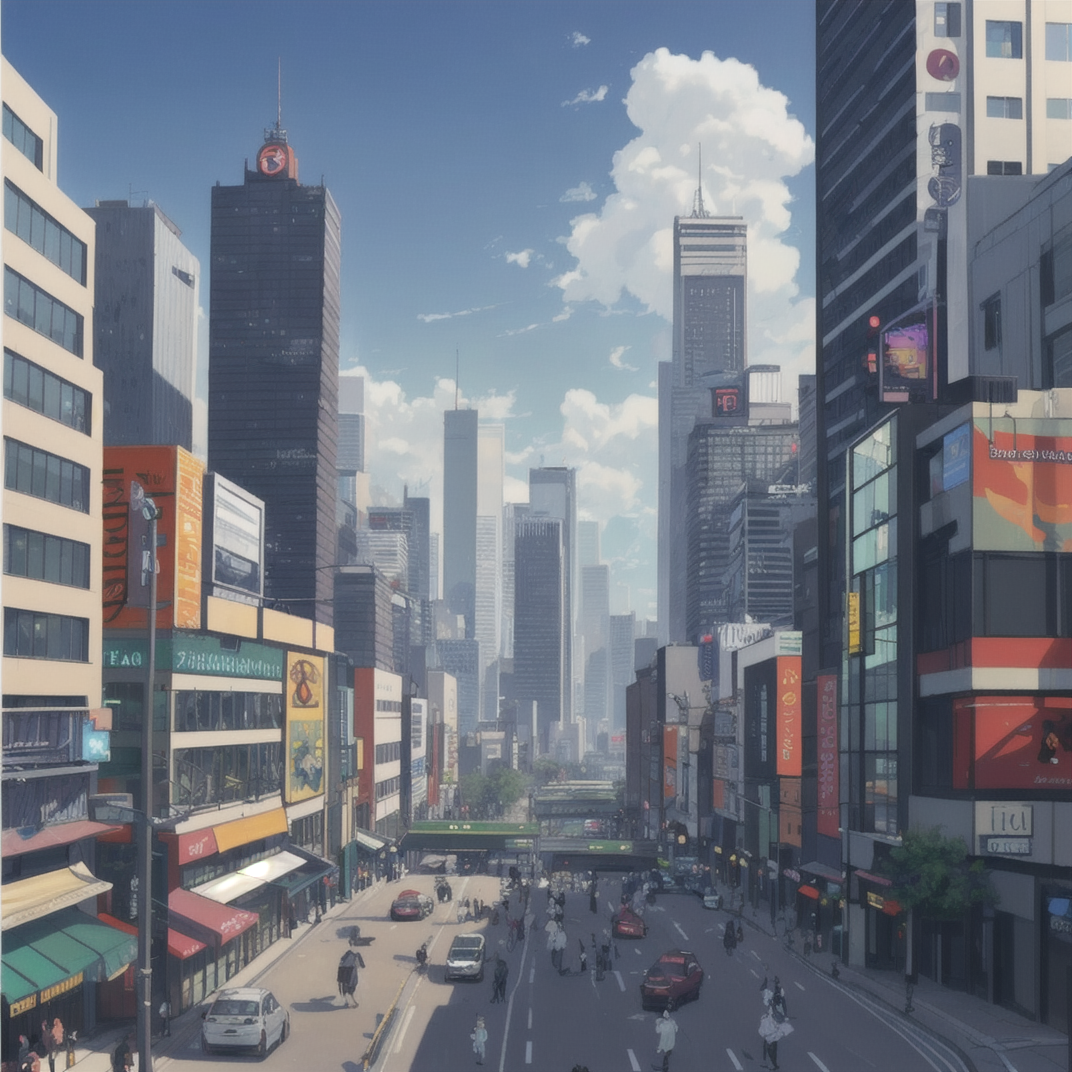
Starting with the street feel one will be starting with ‘the end in mind’ since the end is where the process starts. However unlike the overhead view, it’s more important to ‘back track’ how that street was developed. If it has old trees on either side canopying the roads when and who planted them? If it’s cramped and densely layered; what caused that layering? If there needs to be a lovely green square who decided it should be there? Again think about layering things together, so the reasons should also have a reasons. Once the back tracing has been done “recompile”, to steal the computer programming term, and see how it has changed. This scrubbing backwards and forwards though history can leave visible layers, which may or may not be what one is looking for.
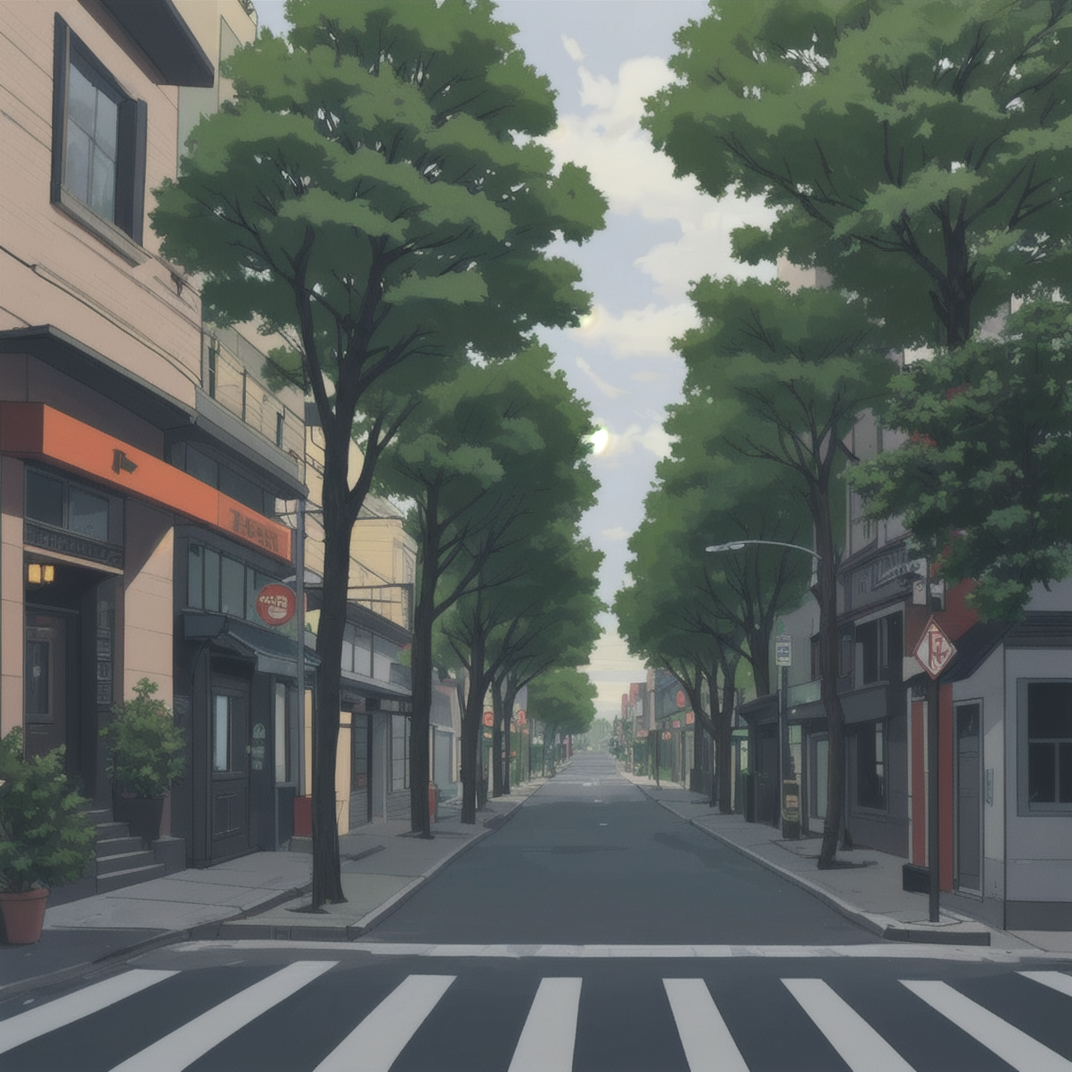
With this it is almost more important to think of who rather than what of the city. Who lives there, why are they there, and what they look like. Use their stories to build the city’s story. Perhaps using them as the storytellers or viewpoints on the city’s history. The more characters, or perhaps representatives, of the different parts of the city. Depending on the timeline one is looking at, and the species involved, having different characters to represent the history of the city. Or different
Regardless of how the city is created using a city in a story is a balancing act. When one has a lot of information on a city, there’s a desire to ‘tour guide’ though it. Yet if the story within the city doesn’t need or want to have that information. For example take the city of Willson Bay in Saturday Night. Yes I know I don’t mention it by name, I do mention a few bridges, and street or two. Do the different districts, and the inner-city politics between those districts matter? Not in this story. The same can be said for most of the other features, which is where the restraint comes in. It is probably the most important tool in the worldbuilder’s toolbox.
Yet because I know the corporations running the financial district in midtown own the police, and the gangs of the waterfront make deals with them the most important being: We keep foreign crime out; you keep foreign law enforcement out. Which is important to the story. Thus know your city, know what parts are important and use them.
The previous one where I talked about vertical planning.
 Grathew