Critters and Creatures
Worldbuild Wednesday ep. 6
In all honesty I was hopping to get the army equipment and organization finished before diverting to other topics for a bit. However I’ve been doing a bit of research that has led to more research and now I’m planning a proper trip to the library. Thus I am going to put the militaristic side of things aside for the moment while I dig though reference libraries and find the knowledge I need.
So this week I am talking critters and creatures. For the duration of this worldbuild wednesday critter will mean something wholly natural. In the sense that they don’t require magic, technology, or myth to stay alive in their natural habitat. Yes I feel the need to mention technology as I’m sure someone out there has or will build some kind of symbiotic cybernetic creature that evolved ‘naturally’. Creatures are everything else.
Thus the question: how does one build a critter or a creature? There are three answers, as a plot device, as set dressing, or as apart of the world. In roughly increasing levels of usefulness. That said creatures don’t follow the same rules of the critters.
I’m not sure how I got from my comfy Chicago suburb to the Alaskan rocky mountains. Now this strange bird, I’ll call it a snowy eagle, want’s me to follow it. I hope I don’t freeze to death.
-Unknown Journal, feminine handwriting
Creatures of mythological, magical or technological types often can get away with less involved worldbuilding as they benefit from a degree of unknown. Mythological creatures are perhaps the best example where the less that is known about the creature for certain the better the mythological creature it is. Magical and technological symbiotes are similarly able to get away with this less is more, provided the bulk of the details of the creature are known. Backstopping creatures with critters is probably best practice, to borrow the corporate terms, as it will give a plausible path for how the myth or technology came to being. With magical creatures it’s less important as magic can supply a large amount of handwavium. Although with all things magic, make sure to be consistent with it.
That out of the way how are critters created? In short answer three questions. Where does it live, what does it do there, and what does it’s life look like, or in more biology terms: It’s environment, niche and lifecycle. It is possible to go down the full speculative biology route and evolve over hundreds and thousands of years. Unless one is building a truly alien world that level of detail is usually a bit far. Although I will recommend understanding the basics of body layouts and the basics of evolutionarily science. It does give much better results. I’d recommend Biblardion’s half decade long project Alien Biospheres if one is looking for a complete example of what that would look like. While it isn’t the best education in speculative biology it is a very good documentation of the results of the process.
On closer inspection my “snowy eagle” appears to be more hawk than eagle. It is concerningly smart. Leading me to shelter, food, fuel, and water. If I didn’t know better I’d claim it could control the weather. At this point I’d assume I was dreaming if I hadn’t spent the past three days trudging though snow.
- Unknown Journal, feminine handwriting
Speculative biology aside, start by picking where your critter will live. Rolling hills, dense forests, hot deserts, frozen tundra, abyssal trench? Than go look at what lives there and use it as your basis. Creatures that evolve for the habitat you want the critter to come from and borrow features from what already lives there. Short ears, and tails for artic creatures as they preserve heat. Oily fur to prevent water logging in the dense rainforest. Camouflage for it’s environment.
Now that you know where it will live, what will it do there? Is it a foraging omnivore? A heard grasser? Ambush hunter? In essence what does it eat, how does it eat it and how does that fit where it lives? Again take from reality need something that does what cows do, look at cows and cow like things. Yaks, camels, buffalo or bison could all be sources to draw from.
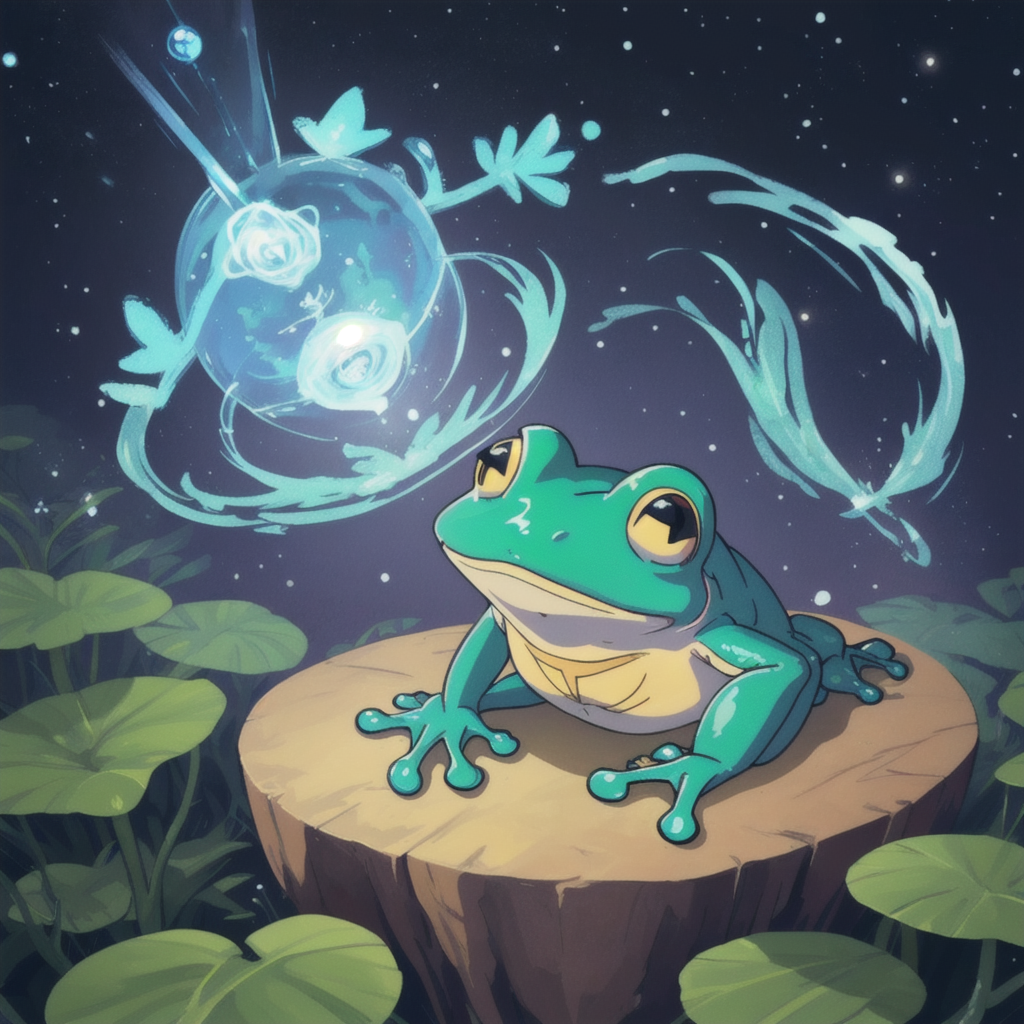
Lastly is life cycle, does it lay eggs, or have live birth. Are there many children or few, how long does it take for the offspring to grow into adults. Do they change during that process going through puberty or metamorphosis? Can the critter only do some things at different times, like the aquatic tadpole and the airbreathing frog?
With these three things outlined one will have a critter that can be used to solve things in the narrative or backstop a mythological critter, ground the world, or simply be set dressing. If one wishes to turn this critter into a creature simply add the unexplainable. Mystical or magical powers, or replace a part of it’s biology with technology. It doesn’t matter to much. For the magical powers think about how they would help the creature in it’s critter role. Less so for the mystical powers as that is a place for symbolism, rather than practicality.
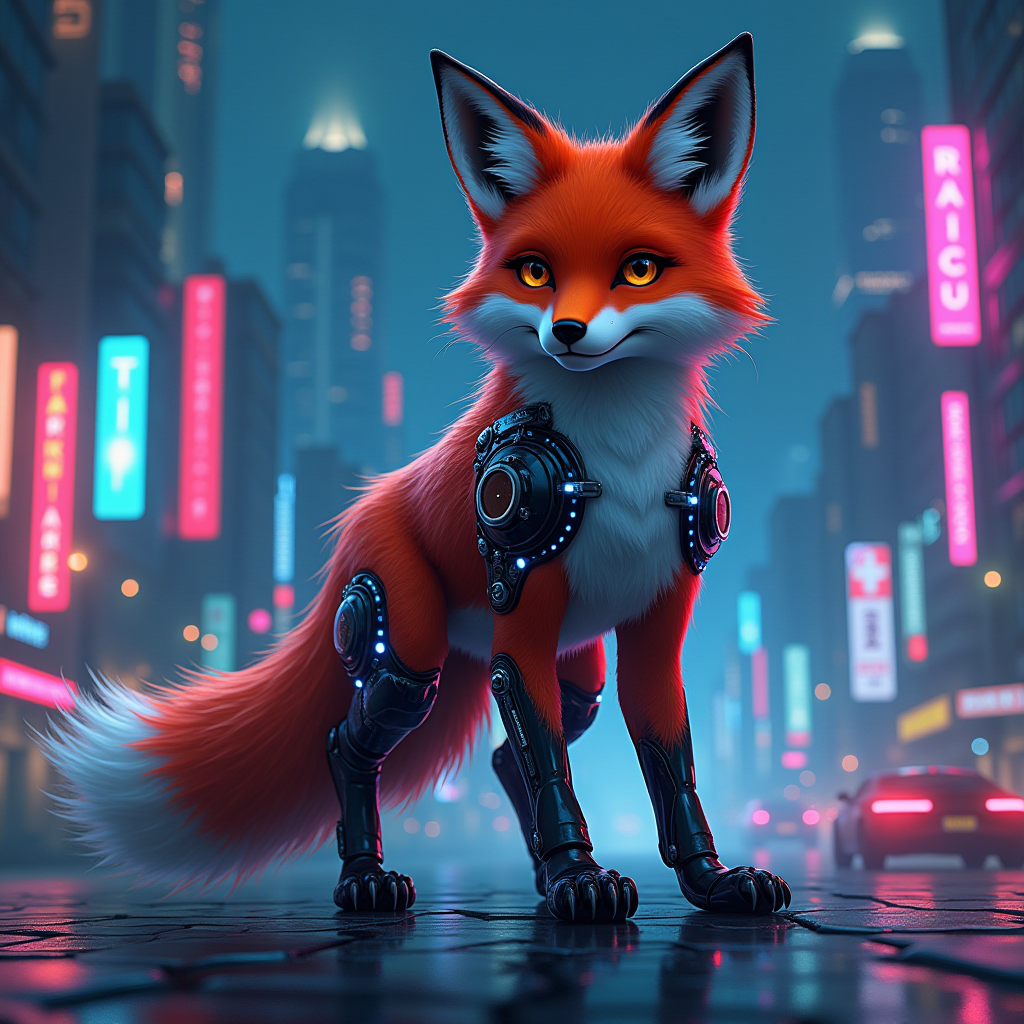
With technology think about what part of the critter is being turned replaced by the technology. Is it the eyes, lungs, legs? Or is the technology an addition to the critter? Depending on how this interaction plays out the creature will be very different. A critter with an extra set of robotic arms might be able to survive with out them where as a critter that has had it’s eyes replaced by cameras might not. The other thing of note for technological creatures the tech needs to be passed down creature to creature preferably without surgery. In essence they should be born with it, meaning some kind of nanotech is likely required. I won’t count out an inventive mind.
With magic there are both more and less to worry about. On the more side ensuring that the magical creature doesn’t spoil the magic system is important. Now it is possible that human magic and creature magics are different, if so make sure the creatures all follow the same magics. If people and animals are able to make use of the same magics I will suggest that it is largely consistent across the creatures and people. This consistency is key for magic, and thus magical creatures. Outside of that I’d make sure that either the creature is mostly magic, think a wisp or elemental, or magic is an extra like breathing fire. The in between states tend to be tricky to pull off. It’s doable just be careful.
On the less side magic and it’s history will allow for the story teller to simply say, “It’s a magical creature.” and the decades of previous magical creatures will be imported, to borrow the computer science term. This allows for less work to create the ‘common’ creatures. Things such as dragons, unicorns, and chimeras, likely don’t need much or any explanation unless yours differ from the expected by a meaningful margin. An example would be dragons the size of hamsters. If the largest of the dragons can fit in the palm of your hand and are lovely house pets may need to have a bit of explanation; where the city bus sized, fire breathing, pillage than burn what’s left, wouldn’t.
The “Snowy Hawk” seems to be more than just a bird. In the blizzard last night I stumbled off a cliff, and broke my leg. I don’t know if it was broken broken or if I sprained something. I crawled into a cave and passed out. I woke up to find Harry, that’s what I named him, glowing emitting a comfortable warmth and pecking at my busted leg. It hurt for a bit then it didn’t. I think Harry might be magic. I guess I’m not in the Canadian Rockies.
- Unknown Journal, feminine handwriting
Lastly there are the mythological creatures. These being creatures of legend and myth are the easiest to use, for they are often plot devices themselves. If not out right plot devices they are usually there to support a part of the mythos. While creating a mythos is outside the scope of this article the creatures in the mythos are often a form of analogy. However when the myths become real things get a lot more interesting.
When mythical creatures are real the level of what’s known will be rather small. If anything the less known the better. In general the more over the top the powers the better. However these powers should fit a common theme. An animal focusing on healing should have healing powers. Something with a theme of death should kill things. A messenger should be able to speak. So on and so forth.
Beyond the theming there isn’t much to a mythical creature, biology and the likes aren’t super important. Myth seldom cares about the realities of life after all. If anything the myth will highlight one form of the creature. If mythological creatures are supposed to be singular forms. This can help if mythical creatures are supposed to be similar to a regular critter such as the davlmigba.
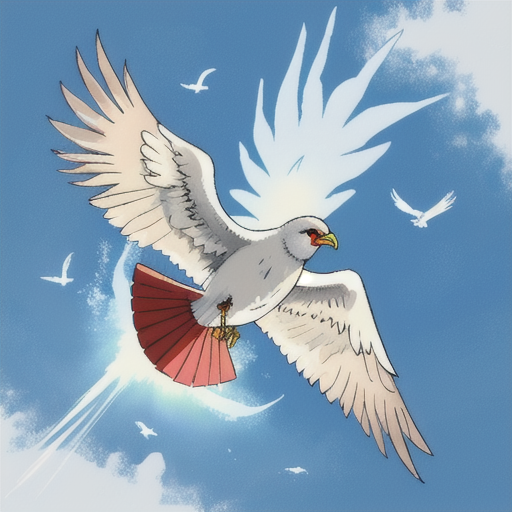
For those who have been paying attention to the quotes may have a good idea about these snowy hawks. Probably better than my AI at any rate. The critter known as the snowy hawk is your general bird of pray. It hunts small rodents, birds, snakes and the likes. The only thing that’s noticeably different than a common red-tailed hawk is the coloration icy whites and blues with speckles of gray and black. The davlmigba on the other hand are special iterations of these hawks that fill a similar role to guardian angels, divine messengers. For most people they won’t be able to tell a, or their davlmigba from a generic snowy hawk. It is said they will appear when things are most dire. The abilities range from leading, to messaging to healing. As they are divine animals they are wielders of davlaiga. What exactly is up in myth, legends and hearsay.
All in all I hope this is some use. I am planning on returning to the previously scheduled programming next week.