
Building an Military Pt. 2: Opposition and Doctrine
Worldbulid Wednesday ep.4
Picking up from where we left off. I am building a fictional military, this was kicked off by my BattleTech group starting a narrative game of risk. Sort of. As such I’ve outlined a sci-fi future with a planet totaling 400 million people, that needs a military to act as a deterrent from near peer opponents in their system and to ward off anything smaller than that. It will be a well trained army intentionally held at half strength so that recruits willing or otherwise will be filling the rest of the military should the need arise. This demands large enough stock piles to supply this functional doubling of strength.
Thus we are left with two pieces left before we can break into the separate forces and their descriptions; planned opponents and doctrine. These two things are likely the most import parts of any fictional military for the story teller.
As writers we will know who our militaries are going to be fighting however it is important to remember that the people within them may or may not. Now with any sufficiently large military you will have a group that is drawing up plans for every possible opponent. An example from history would be the War Planning Division of the World War II era America. Which drew up plans to defeat Germany, Japan, Britain, the United Soviet Socialist Republics, Canada, Mexico and probably any other vaguely developed country on the planet. Most of these war plans weren’t used, although it could be an interesting alternate history, yet they existed and the exercise in planning helped in the following wars in Korea and Vietnam. Thus it is likely that there could be plans to deal with any opponent.
In my example there are a few other planetary governments in the system that, while not hostile could use some encouragement to stay that way. Likewise there are various pirating gangs that harass various shipping lanes both inner and extra solar.
Doctrine is debatably more important as doctrine describes how the military will fight, from the strategic to the individual. It is important to note that doctrine isn’t a one size fits all. It debatably isn’t even a one size fits some, as different branches, environments and unit compositions all will change doctrine. While I’m sure most will understand why the Navy doesn’t use Army doctrine and vice versa it gets more muddled when there are air forces, marines, space forces or whatever other branches one may require.
While I am planning on a thanking this series in a series into the doctrine and design of different branches I will be the first to admit that for most having an overall view is what most storytellers will need. This over view doesn’t need to be super detailed. I would recommend four axis to plot out the overall doctrine: Offensive V Defensive, Static V Mobile, Active V Passive and Centralized V Decentralized.
It is important to note these are proper axis in the sense that one’s military could be at +4 on the mobile side and another could be at +9. Likewise it is almost certain that a military will reflect the people that it is serving. A nation that prides its independent individualism is unlikely to have a centralized military. That said let’s go over the overview sliders.
Offensive v Defensive, this is what is the military designed to do? Is it designed to attack or defend? While all militaries will need to do both what is the general plan? If faced with a battle what is the general plan to go on the attack or to hold the line.
Static v Mobile is fairly self explanatory. Will they fight in place or on the move? Generally speaking the higher tech the army the more mobile it is planning on being. However that isn’t a guarantee as more static doctrines exist to this day usually revolving around indirect fire support and air power.
Active V Passive is a question of what will the army do when things go wrong? If the army is active they tend to act when cut off from instructions. It may be attacking, falling back, or whatever else may be applicable. A passive army will tend to stop, maybe at most dig in, and wait for instructions.
Centralized V Decentralized is a question of command. A centralized military will often be top down, and center out. Central militaries will have large command structures that control everything. Everything from fire support to supplies will have to go through a central commander which can give better command over the battle space at the cost of speed. Decentralized is the opposite, usually the lowest level officer can bypass large chunks of the command structure to get what they need when they need it. This often gives better flexibility at the front and better individual battle support, if the larger battle space turns into an exercise in herding cats.
In my fictional nation I am planning on a slightly defensive, highly mobile, very active and decentralized military. The general plan is to prevent anyone from getting to the ground and if they do burry them where they land. Each unit, in essence each man, would be given enough leash to do what needs doing when it needs doing. Likewise while there is a centralized chain of command it is mostly for logistics and understanding who is where. Most of the time the centralized command is bypassed or ignored to get things done.
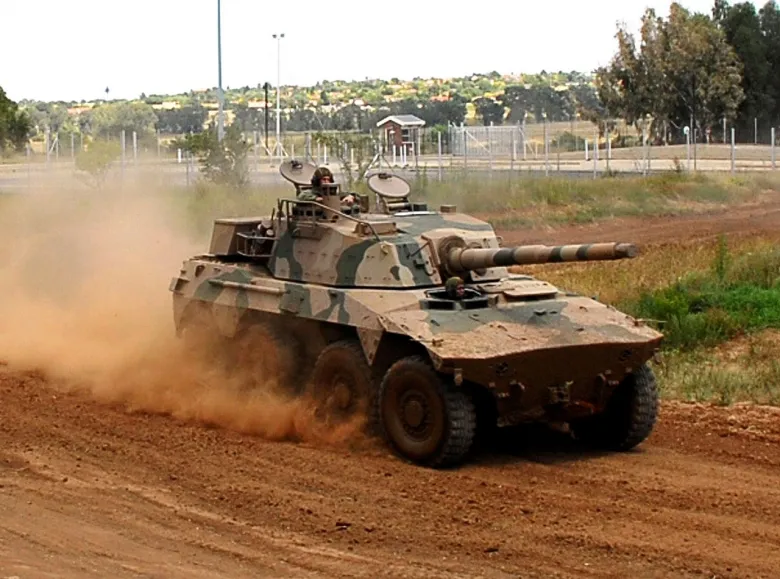
To preview the upcoming weeks’ content, the army is likely to involve a lot of helicopters, airmobile and air droppable units. These light forces are likely to be lighter APCs and wheeled tanks or heavy armored cars. Things that are able to respond on the ground anywhere and get setup before anything hits the ground.
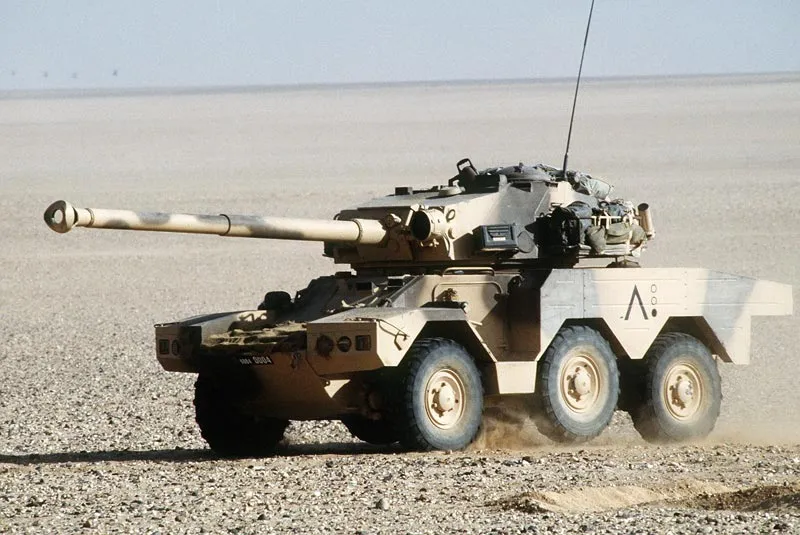
Heavier units would consist of larger wheeled tanks or proper tracked tanks. Backed up with IFVs and proper fire support. Units that can push though and crush whatever has been contained. The bulk will be a ‘medium’ units, light enough to have a low supply footprint but heavy enough to start the counter attack.
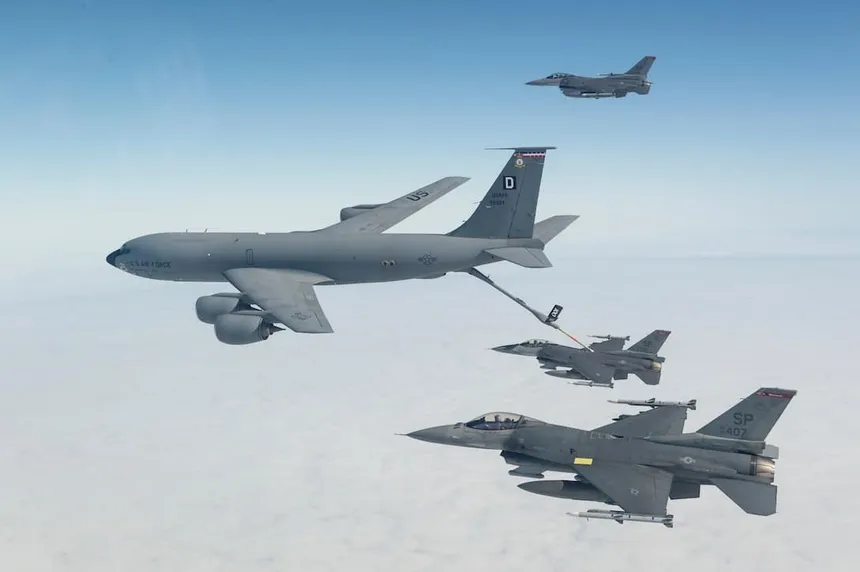
Ground forces out of the way we will move on to air. The air forces will likewise be focused on speed and range. This will likely require good multirole options scattered everywhere and specialist fighter, attack and bomber forces less wide spread but able to get where they need to go quickly. This will likely require a large fleet of aerial refueling aircraft and AWACS to keep everything more or less inline. This generalist focus will allow for the rapid response that is outlined in the overall doctrine.
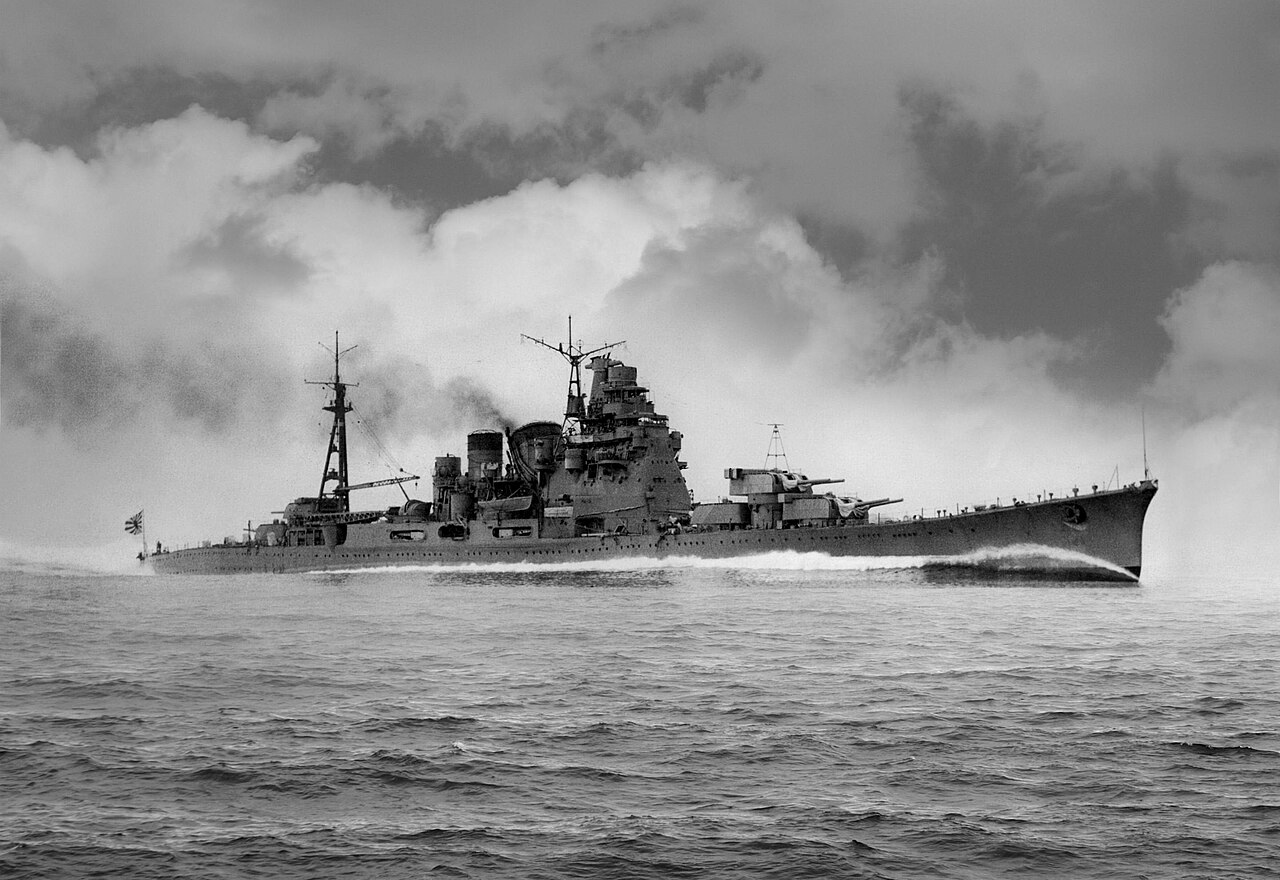
Out of the sky and into the seas, the navy will facilitate these rapid reaction forces. Likely some aircraft carriers, heavy cruisers and escorts. However I don’t see a need for battleships or anything heavier than that. Something like a supercarrier would be significantly out of scope as I believe they would rather be in two places than have a stronger single point. Fleets would patrol mostly looking for people who attempt to smuggle things in by disguising the contraband as ablating heatshields. Along with impressing people who show by as water navies are less practical when armed spaceships are involved.
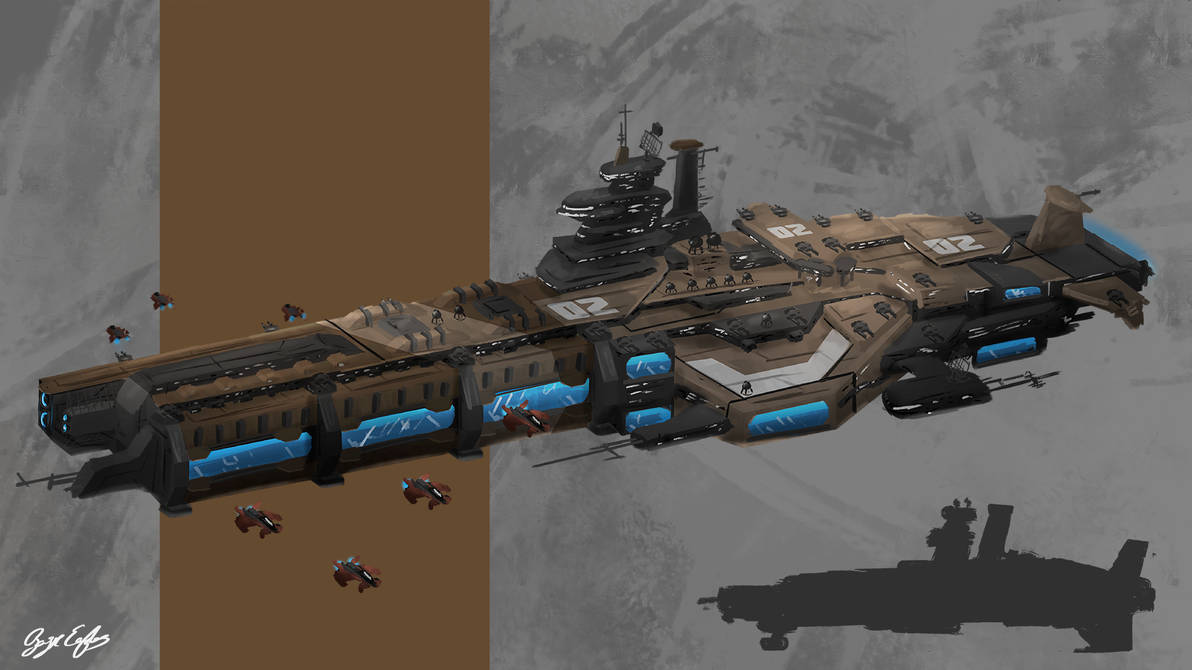
Lastly we will look into the other navy, the space forces. I will likely step though the different types when we get to them however the space forces will likely be an 'orange sky’ navy. Meaning it’s focused on the edge of atmosphere rather than deep space. By hanging around the planet and having limited expeditionary capacity. Giving the nation the ability to bring the fight to it’s in system adversaries but not much past that. Likely with a smaller in numbers but similar design to that of their blue water navy. This would give the capacity needed without ending up to ‘threatening’ at least as far as the politicians are concerned. Every ship would be capable of atmospheric flight and landing, how will need a run though some tech building. Possibly another article or two.
With that promise of future content hopefully to be delivered on time I will leave you for next week. Where we will delve into armies.