
Building a Military Pt. 3: Army
Worldbuild Wednesday ep.5
Picking up from the overall doctrine this week I will focus on the first branch the army or ground forces. To start with last week’s preview.
To preview the upcoming weeks’ content, the army is likely to involve a lot of helicopters, airmobile and air droppable units. These light forces are likely to be lighter APCs and wheeled tanks or heavy armored cars. Things that are able to respond on the ground anywhere and get setup before anything hits the ground.
Heavier units would consist of larger wheeled tanks or proper tracked tanks. Backed up with IFVs and proper fire support. Units that can push though and crush whatever has been contained. The bulk will be a ‘medium’ units, light enough to have a low supply footprint but heavy enough to start the counter attack.
That alone is a fairly decent implementation of the overall doctrine I outlined last week. However that only outlines either a contemporary or future military thus let’s start with the general and evolve into the more complex.
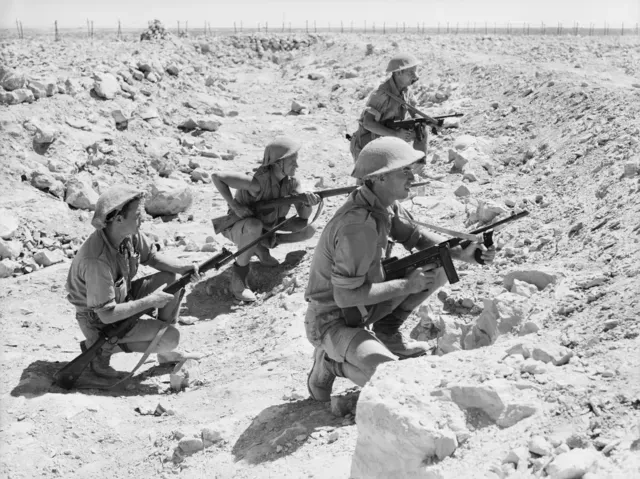
First off any army will have infantry. I don’t care what science or fantasy nonsense you will try to use to explain why infantry is gone as a unit. It is the first bit of nonsense I see time and time again. Infantry is the queen of the battlefield and it is a well deserved title. This is not replacing the bulk of infantry with robots, golems, undead or other easily controlled easily replaced mass of warfighting capacity. That can make sense given it can do everything the infantryman can.
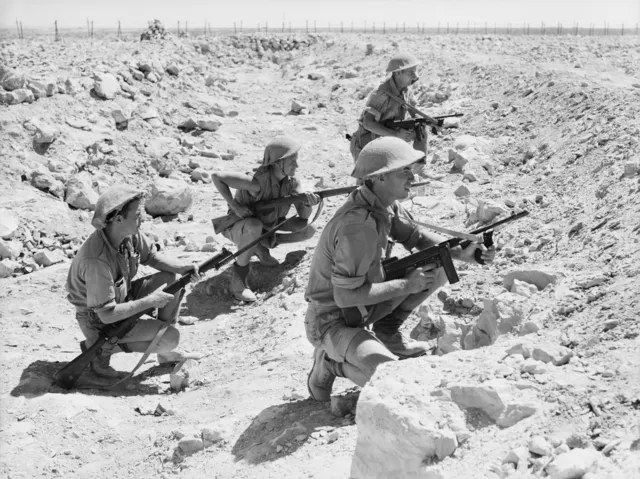
It all comes down to the infantry man and his rifle.
- Unknown
The title, unadapted from the US Infantry, is Queen of Battle. This stems from chess where the queen is both the most powerful piece and the most flexible pieces. Infantry covers that roll because infantry is manpower. Need to attack, infantry can do that. Defense is where infantry excel due to being small and able to get inventive. Need to do anything else on or around the battlefield well throwing more manpower at it will solve it eventually. I don’t care what scenario you come up with throwing more armed men at the problem will make it go away eventually, ethics of human wave tactics aside. Likewise infantry is the oldest and most universal battlefield piece, with prehistoric hunters working as infantry should they pick a fight with each other. Thus any army that gets created will have infantry units. Should they be peasant levees or mass produced robots. Just make sure the robots are able to do everything a human can do.
With infantry out of the way there are a few things that get added on quickly with an increase of technology. These two archetypes artillery and cavalry. It is debatable which came first in the chronological sense. As artillery is called the King of Battle I will move on to it.
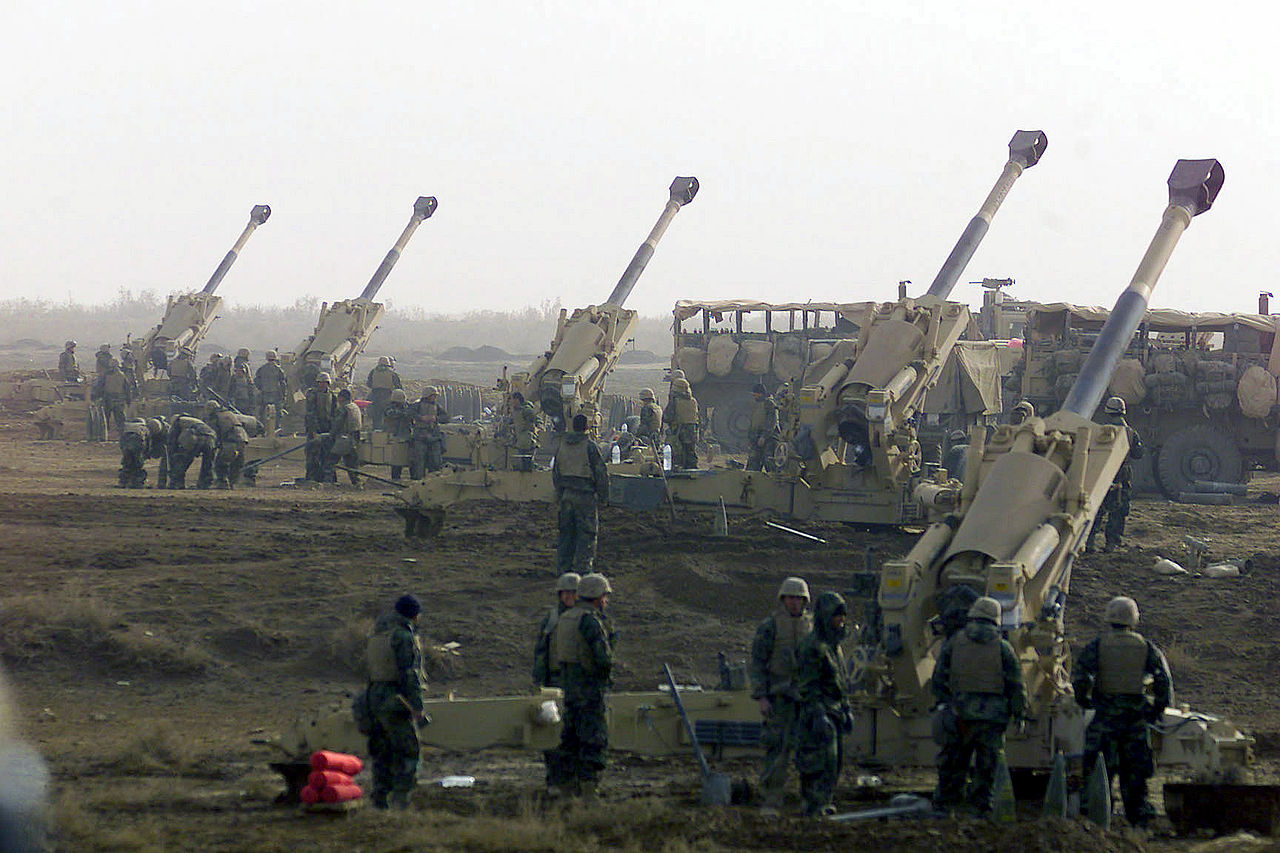
“Artillery adds dignity to what would otherwise be an ugly brawl”
-Fredrick the Great
Artillery ultimately is fire support. In the modern context this means indirect fire. However in previous eras it wasn’t indirect, Napoleon and Fredrick the Great used cannons after all. Before that there are trebuchets, ballista, and catapults. In essence artillery is providing more firepower onto target than the general infantryman can. If one has access to magic, mages may fill the roll of artillery. For a singular mage or team of mages can fill that same role of applying more damage than the average unit of infantry. However without a better understanding of the magic system being used it is hard to give specific advice.
Regardless of form the goal of artillery is to provide firepower advantage to the front lines. To deal damage to things infantry either cannot deal with or cannot deal with without unreasonable costs. This usually ends up being fortifications however it could be hostile armor, large creatures, or with modern or later tech, the rear areas important to the opposing army. Generally artillery is an offensive weapon, however artillery is often needed to destroy hostile artillery so defensive doctrines cannot ignore artillery.
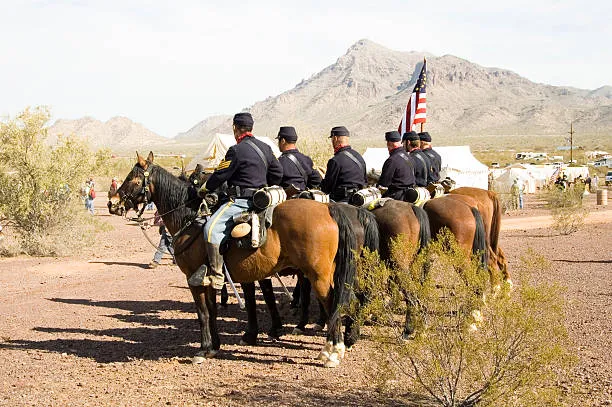
Cavalry is useful before, during, and after the battle.
- Napoleon Bonaparte
The last archetype is cavalry. Traditionally men on horseback or being pulled by horses into battle, doesn’t mean they will say on horseback. For the less earthlike worlds more exotic creatures can be used in this roles, dragons being some of the more common examples. Role wise cavalry consists of two main universals, scouts and mobile forces. Scouting is fairly self explanatory. As cavalry is more mobile than infantry they can go head of the main army, out the flanks and keep an eye out for hostile movements. In battle they can put pressure on weak areas, exploiting opportunities in the opposing lines.
In this sense cavalry is the complement of artillery. Artillery is there to create opportunities, cavalry is there to exploit them. Infantry usually is there to cover opportunities usually to their detriment. This leads to cavalry operating on the flanks, charging though weakened portions of hostile lines and dealing with hostile scouts. Outside of battle mounted troops can serve well in auxiliary roles such as messengers, and mounted police.
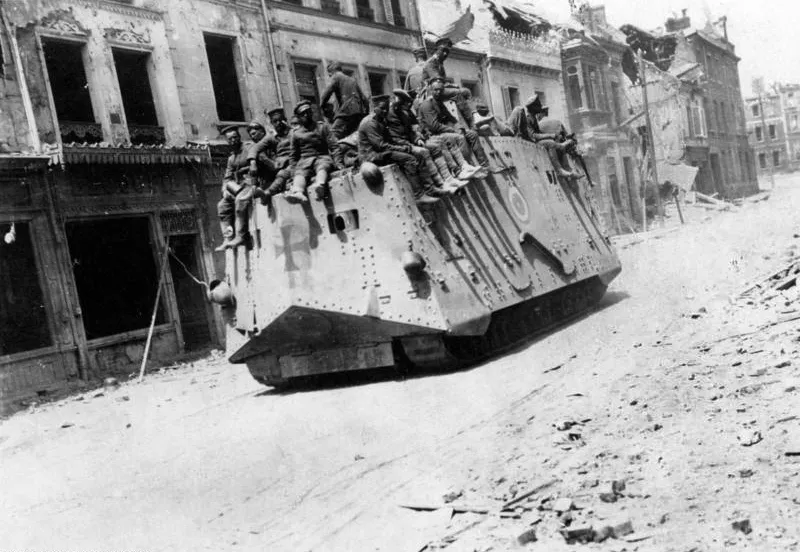
With these three pillars of the army described we can begin mixing them to develop more unit types. Mix artillery and cavalry and you get tanks, infantry and artillery to get crew served weapons, infantry and cavalry became dragoons and later motorized, mechanized and airborne infantry. Mix these new ingredients with each other and things evolve further. For those of us who are looking at writing a history of their military this mixing is how things were developed. Often with different roots looking for different things and that changing how the new was used. A notable example would be the early American tanks which had main guns set out by the artillery meaning they were low velocity guns with a focus on good high explosive rounds. This meant that the M3s and early M4s struggled against hostile armor. It wasn’t until later when the artillerymen were replaced with tankers who were using the new weapon system on the frontlines did the later M4s get split into an infantry support, general use and anti-armor branches.
However the American history on tanks was not the first nor will it be the last example of a new unit type getting invented and it’s closest possible parents trying to make sense of what it is and how it should work. Thus to go back to the finalized doctrine sketch.
In my fictional nation I am planning on a slightly defensive, highly mobile, very active and decentralized military. The general plan is to prevent anyone from getting to the ground and if they do burry them where they land. Each unit, in essence each man, would be given enough leash to do what needs doing when it needs doing. Likewise while there is a centralized chain of command it is mostly for logistics and understanding who is where. Most of the time the centralized command is bypassed or ignored to get things done.
This leads to the design of a QRF or quick reaction force. Highly populated and important locations will have large garrisons and the bulk of the planet will either be undefended or defended by the local home guard forces. These ground forces will consist of smaller and older equipment. These will be largely hold the ground or plug the hole. As such the smaller squads, lighter armored vehicles such as armored cars and the lighter wheeled tank. Home guard aside the regular army willhave four types of infantry: motorized, mechanized, air assault and airborne, added to the home guard motorized division.
The motorized and guard motorized will differ slightly in equipment and squad size, we will discuss that more in detail during next week’s organization and equipment. Both motorized infantry groups will be focused on defending ground with a smattering of armored cars, or mobile gun platforms as modernity likes to call them and some organic (meaning it’s apart of the division) armor support of the wheeled verity. Generally focused on holding flanks, guarding rear areas and otherwise pulling security that doesn’t mean it can’t fight if it needs to. The goal is to get a division with good strategic mobility, meaning it will be fully airlift able and have a good overland march speed.
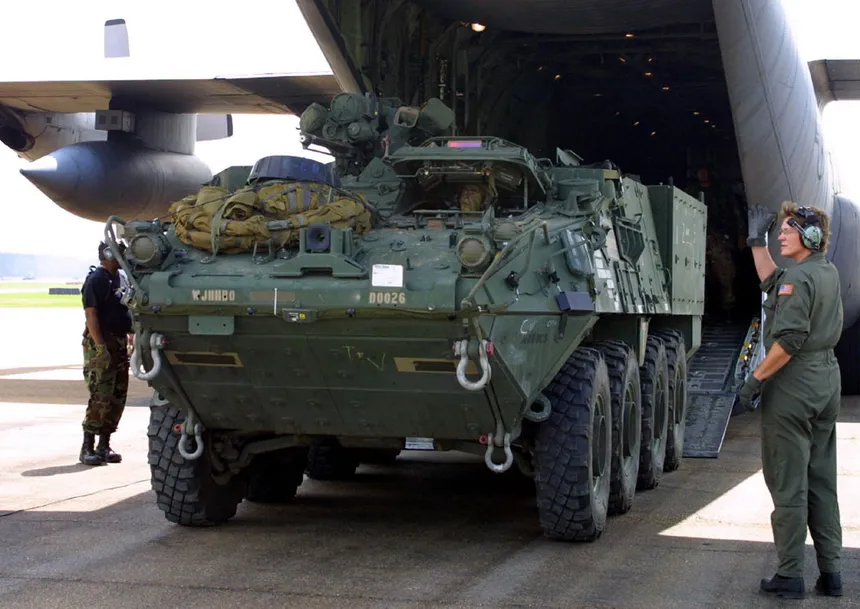
Moving on to the mechanized, this will be the ground offensive infantry. Tracked infantry fighting vehicles (IFVs) will carry the boots into battle supported by proper tanks with the wheeled options being used for specialist troops and crew served weapons. This division will be still majority infantry although with the IFVs adding a lot more firepower to the mix.
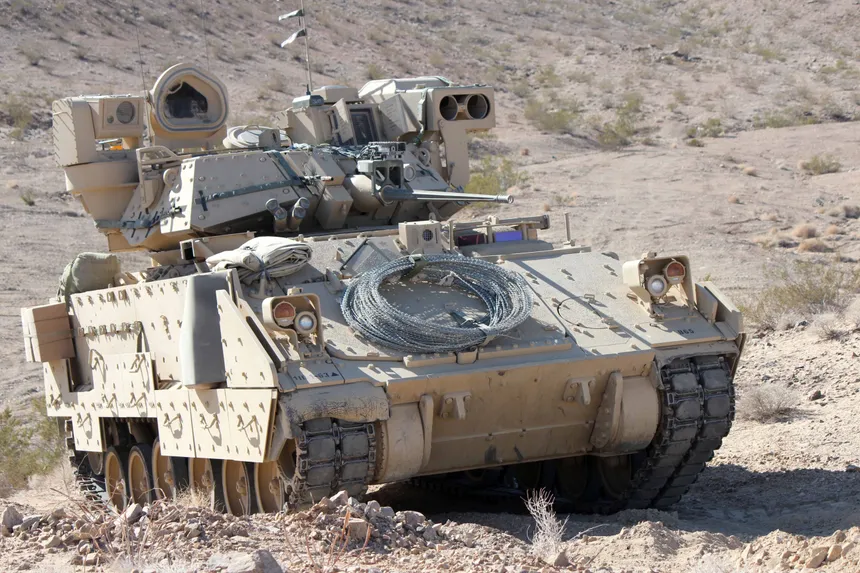
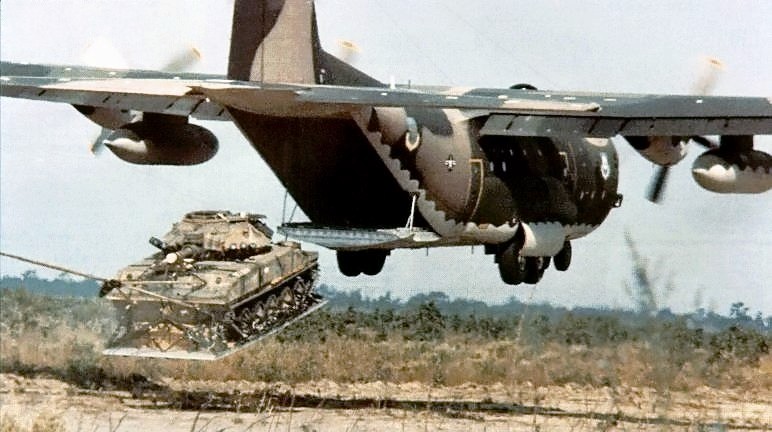
Ground infantry out of the way I’ll move on to the air. Air assault are the men in mass helicopter assaults as seen in the helicopter assaults in Vietnam, this reliance on rotorcraft gives some benefits and some drawbacks over airborne assault which are paratroopers. Both groups of airmobile infantry will be lacking the armor their ground transported groups will have. Starting with the air assault I am thinking they will be a heavier option with some light vehicles designed to be lifted in with them like the Russian BMD which would require a large helicopter like the Mi-26. This helicopter lifetable tank, or IFV would also likely get thrown out of the back of planes with the airborne infantry as well.
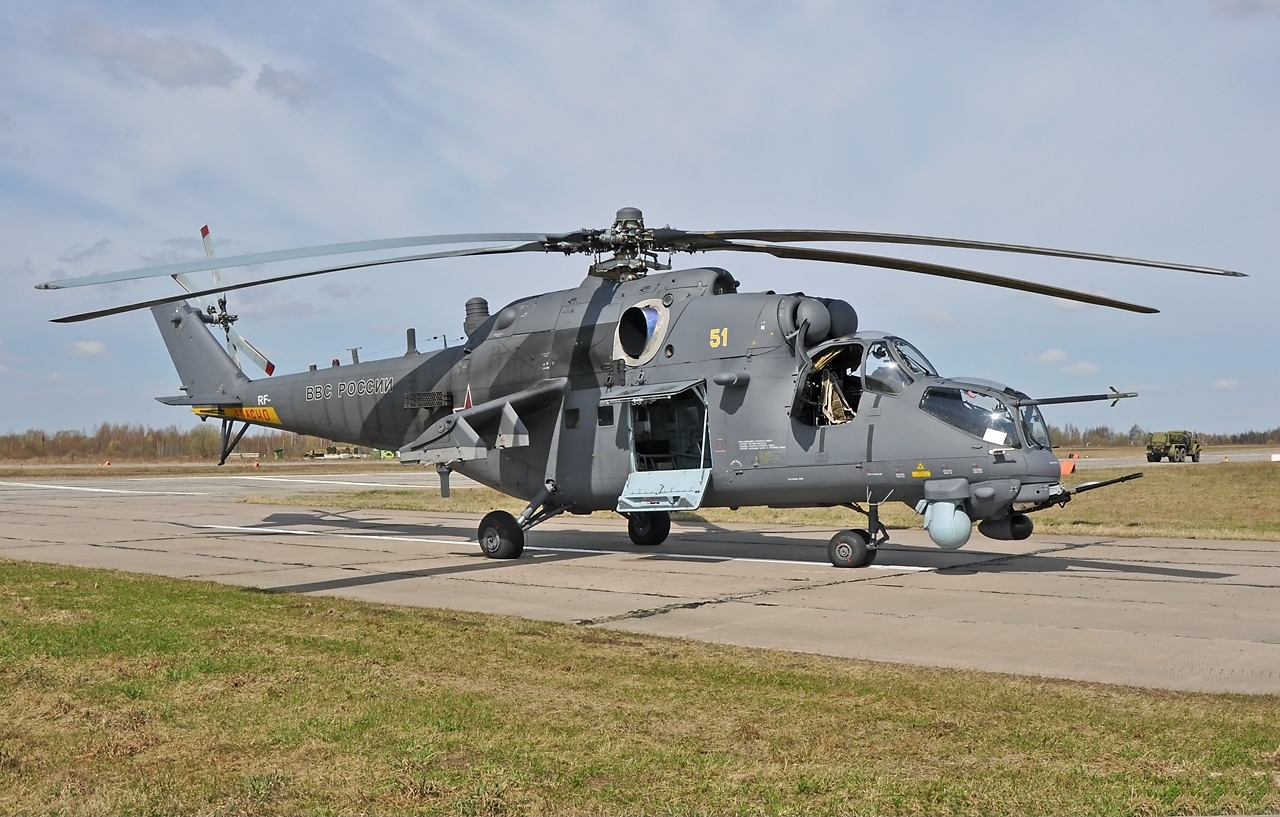
Moving past the infantry we will move on to the cavalry, there will be two types the armored and airmobile. The armored will be a half mech, half armored division with less troops designed to be the army’s eyes and ears. Lots of vehicles lots of small team dismounts. The airmobile will be similar but with helicopters. Possibly adapting the assault helicopter concept the Russians were playing around with when they built the Mi-24. A mix of an attack helicopter and a utility helicopter. These would be in the air cavalry rather than the air assault due to the flying IFV nature of the helicopter. Air assault is more of a flying dragoons than proper cavalry after all.
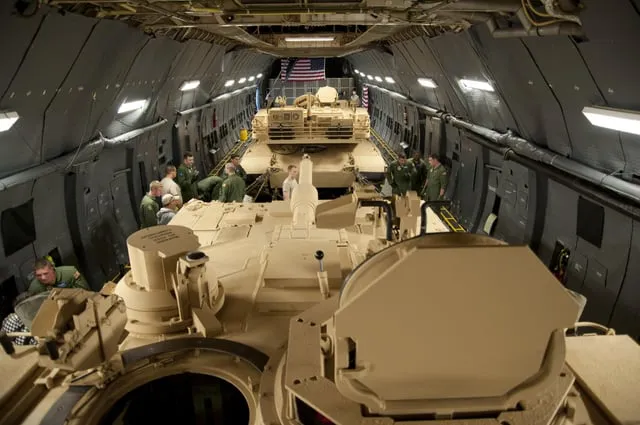
Then we come to our final set of army divisions armored. These are the heavy gauntlet that hammers though hostile lines and works to pin down and destroy the hostile forces. There will be three armored divisions, the home guard, light, and heavy. The home guard will be a mirror of the home guard motorized. It will be a trimmed down version of the light template with older equipment , thus being less capable, but it should be able to counter attack to buy time. The light armored division will be airlift able. Meaning the large cargo planes can relocate the light armored divisions across the globe should they be needed. This rapid deployment does come at a cost of combat power and survivability over the heavy but much like the even lighter guard it should be enough to buy time for heavier units to get to the field or get to the field in sufficient numbers. The heavy armored is a proper armored division. While it is possible to airlift one, it isn’t in the manuals, instead being transported by rail or sea to their intended location and then driving the remaining distance.
With these divisions outlined we now have enough to turn these into proper story pieces. While I think some more work should be done to tell the story of these units from their perspective; I do think there’s enough here to tell the story of person or persons fighting against them, or using this army as background dressing. For example say you have a character, a young woman, living in her sleepy town farming. She and her world is largely growing potatoes, milking cows and getting in, and out of, just enough trouble. One night dozens of bright lights start falling from the sky and by morning the army has shown up in force. They need to evacuate because aliens have made landfall and the planet is being invaded. We then follow her as she tries not to get moved too far from home as area after area gets turned into a battlefield. Eventually she ends up sneaking past the front lines to go home to find that the aliens have changed everything.

While that may be a bit of an adaptation of a better story an army as set dressing is what we have outlined here, and should you have been following along what you have created. Now I know we can go further, and should if the army is going to be a more major element in the plot of a story. Likewise if one wishes to use the soldiers as characters it will be important to know a bit more. So next week I’ll be pointing out that these divisions aren’t divisions but rather brigades, talking about the more specific doctrinal applications of these brigades and equipping them. Before outlining how I think armies should be used in the various setting archetypes.