
A Sense of Place
A rant
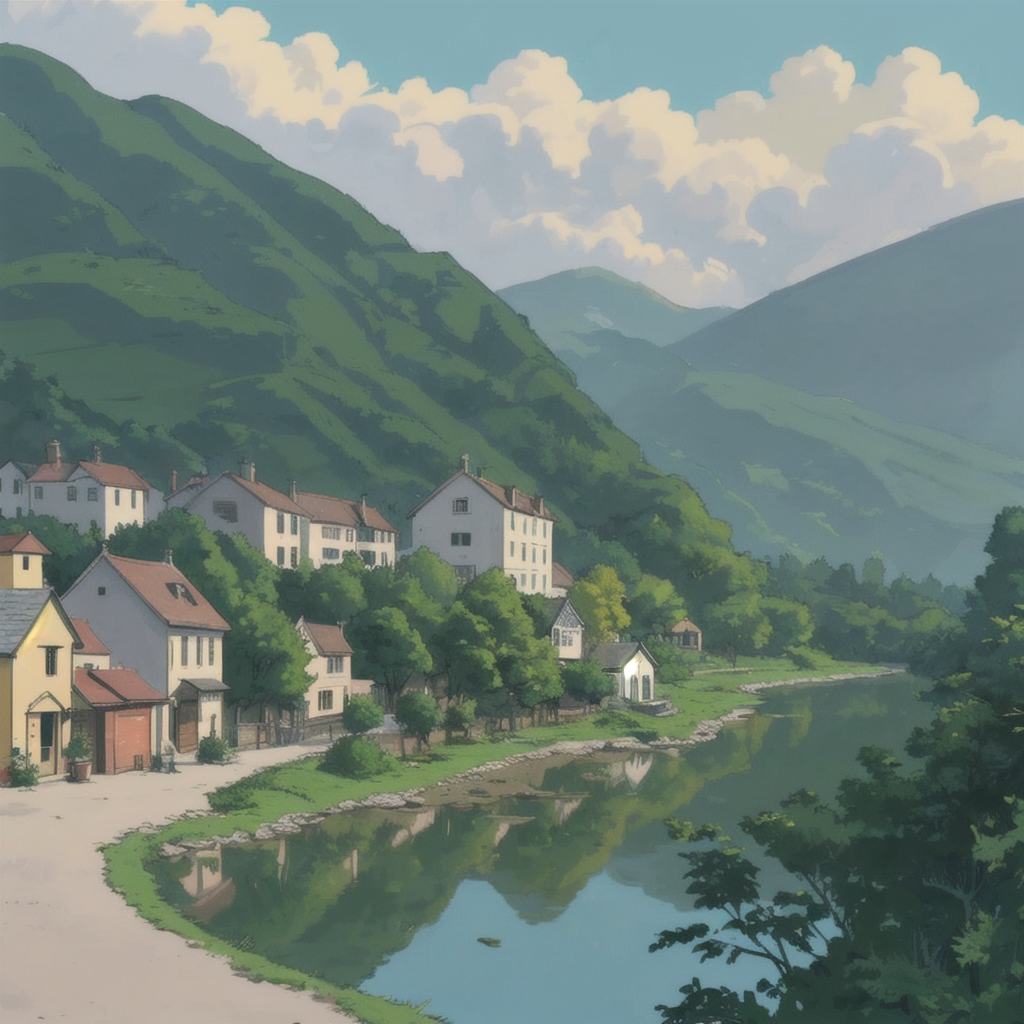
While I have been writing short stories and building out splotches of worlds the question: “What is a place?” came to mind. The answer I’ve settled on, is that a place requires both a location, and a culture. Places are of a people and need a people to make the place a place and not a location. This is an important distinction when it comes to story telling, and one that might be underutilized. For places require intentional worldbuilding, where as locations don’t.
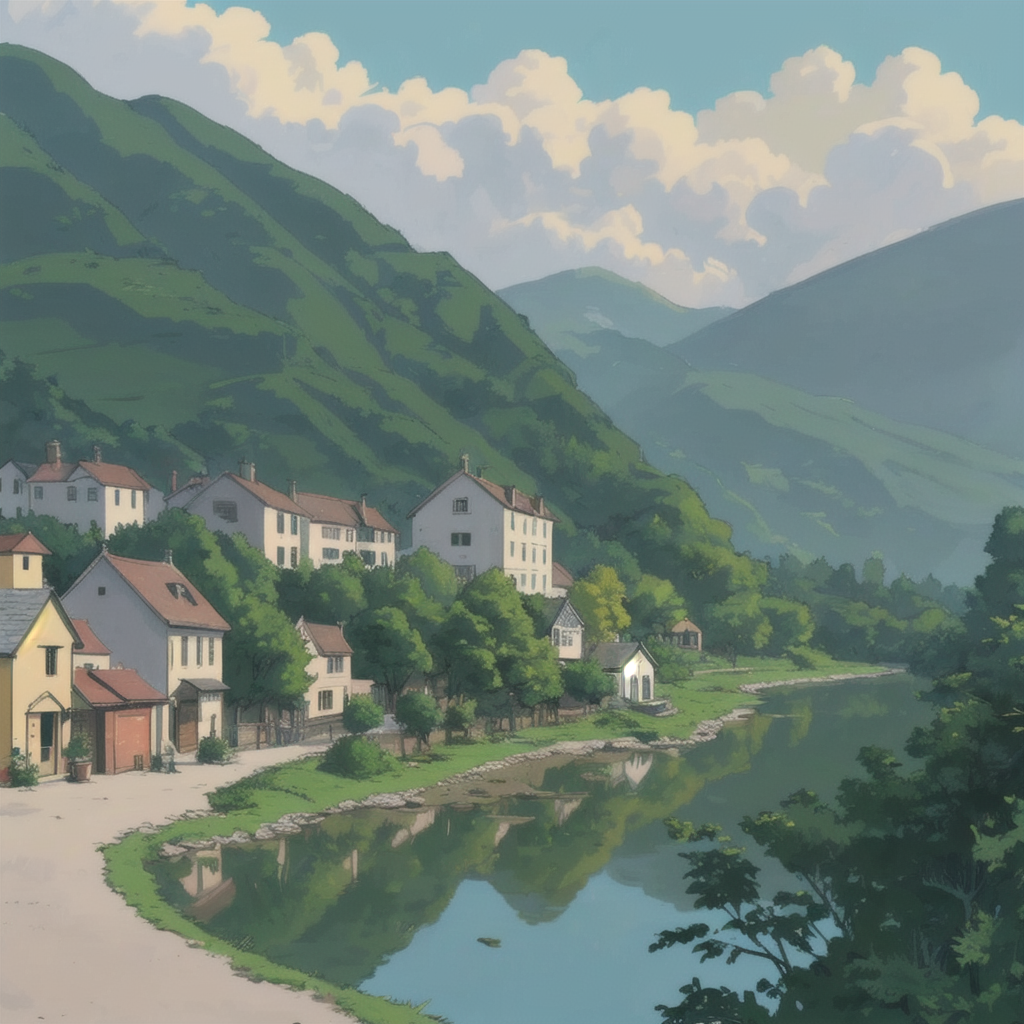
The first question I can think of for elevating a location into a place: Who made this location a place? With the usual follow on: Why? These two questions set the stage for a history, and as the literate may have noticed, history contains story. This story can appear in everything from the name to the language the people use. Now I believe this lack of place may have to do with the degradation of places overall, England in my opinion is a good case study of this. Over the past two generations the regional accents are becoming homogenized, it has been so stark that there are now studies and it seems there may be societies looking to set up ‘havens’ for accents.
Primary world, and it’s issues, aside because a place is tied to the people and in a way the people to a place. While geological determinism is often looked poorly upon there is something to be said for general trends affecting a culture. If there is a long growing season and a short mild winter planning a head may not be required. If there is a long winter and a short growing season the inverse should be true. Example aside there should be a connection. A place with a river should use that river, a place with a forest should use the forest.
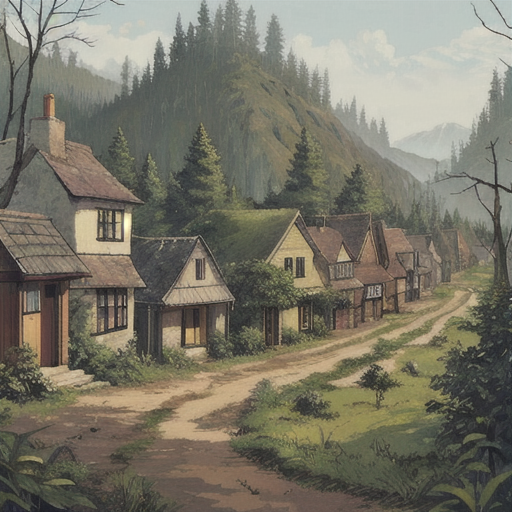
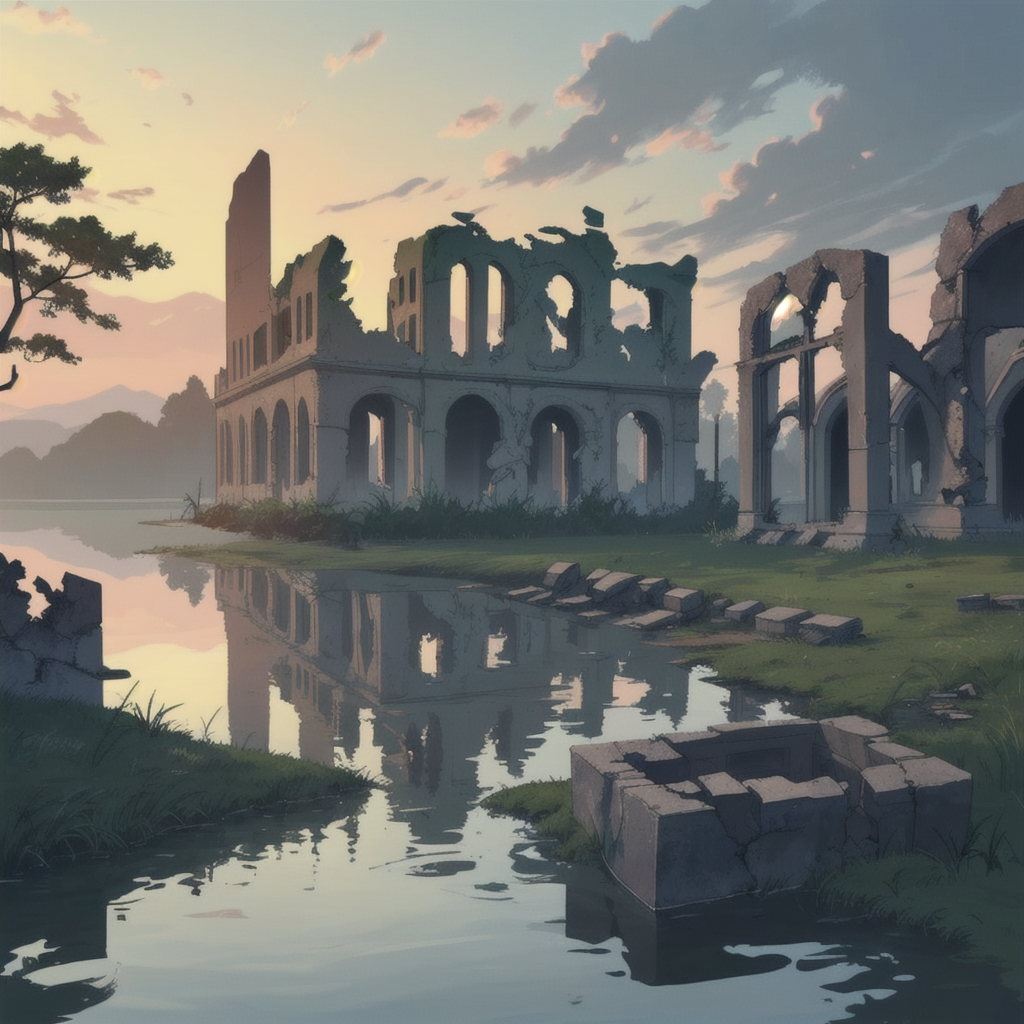
Yet it isn’t simple, for places can be abandoned, ruined, forgotten. From the abandoned hotel downtown to a ghost village abandoned in the hills they are all still places. If anything places become more when they get ruined and reclaimed by nature or lost to time. People who live in ruins of one place may make it a second place. This compounding of place is often one of the things that increase the verisimilitude of a setting. Yet this is often done with locations to put a film of place over it. Which at least to my mind highlights the difference in the usage of worldbuilding between place and location.
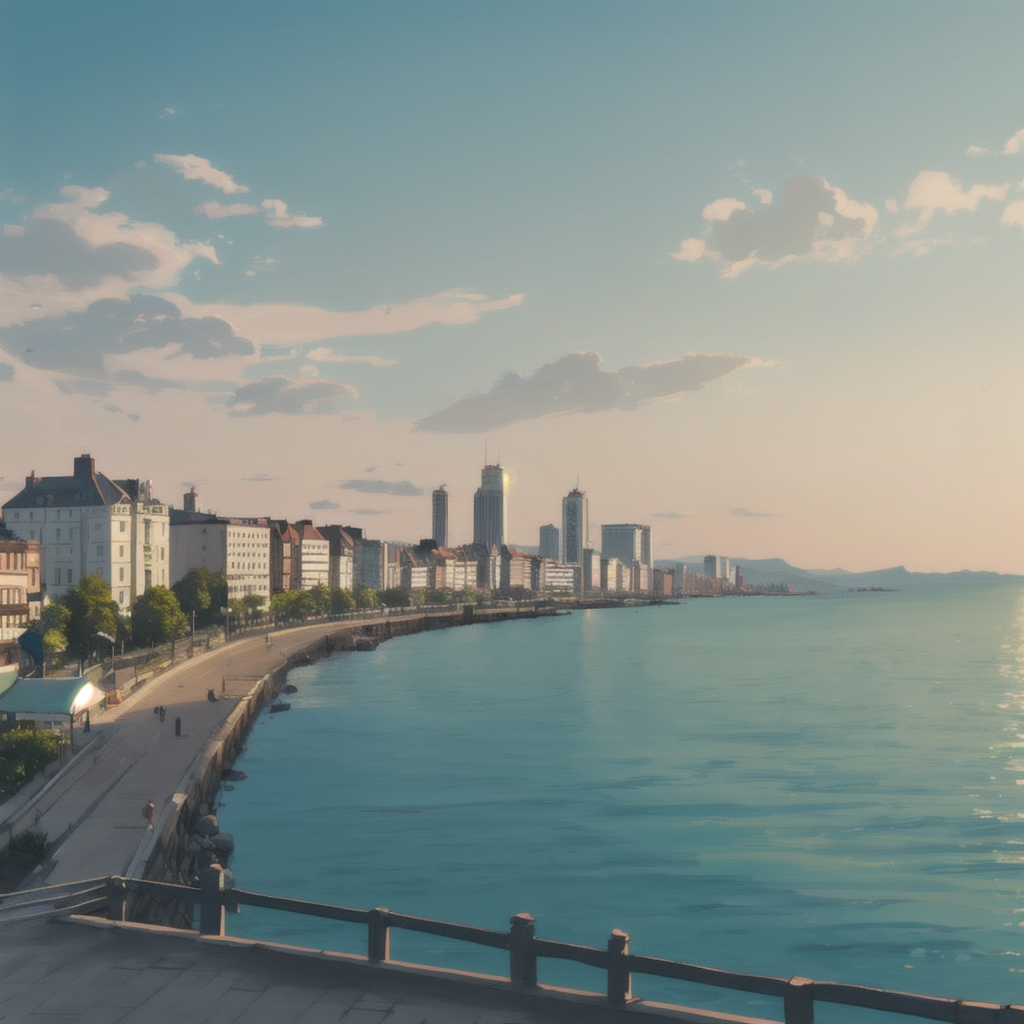
Locations are simply that, locations. Points on the map often without any story to give them context of their own; nor any form of impact on the story outside of the backdrop for the stage that is needed for this point of the plot. A place however needs a bit of it’s own story and that story has to interact with the main story. Although that is the tricky part. Too much of the place and now you’ve created a history, likely a fictional one but a history none the less. To little and the work done with the place is wasted for it isn’t used, and any benefits that can be gained are lost.
Each storyteller will have to find their balance, both of notes to define the place and the usage of those notes to put the place into the story.
That all said what is the way a location gets elevated to a place?
Effectively make the location a character. If you would think about what a character likes, what do people in the place like generally. Character descriptions and words that would be used for the character’s speaking, outfits and the sorts; do it for the place.
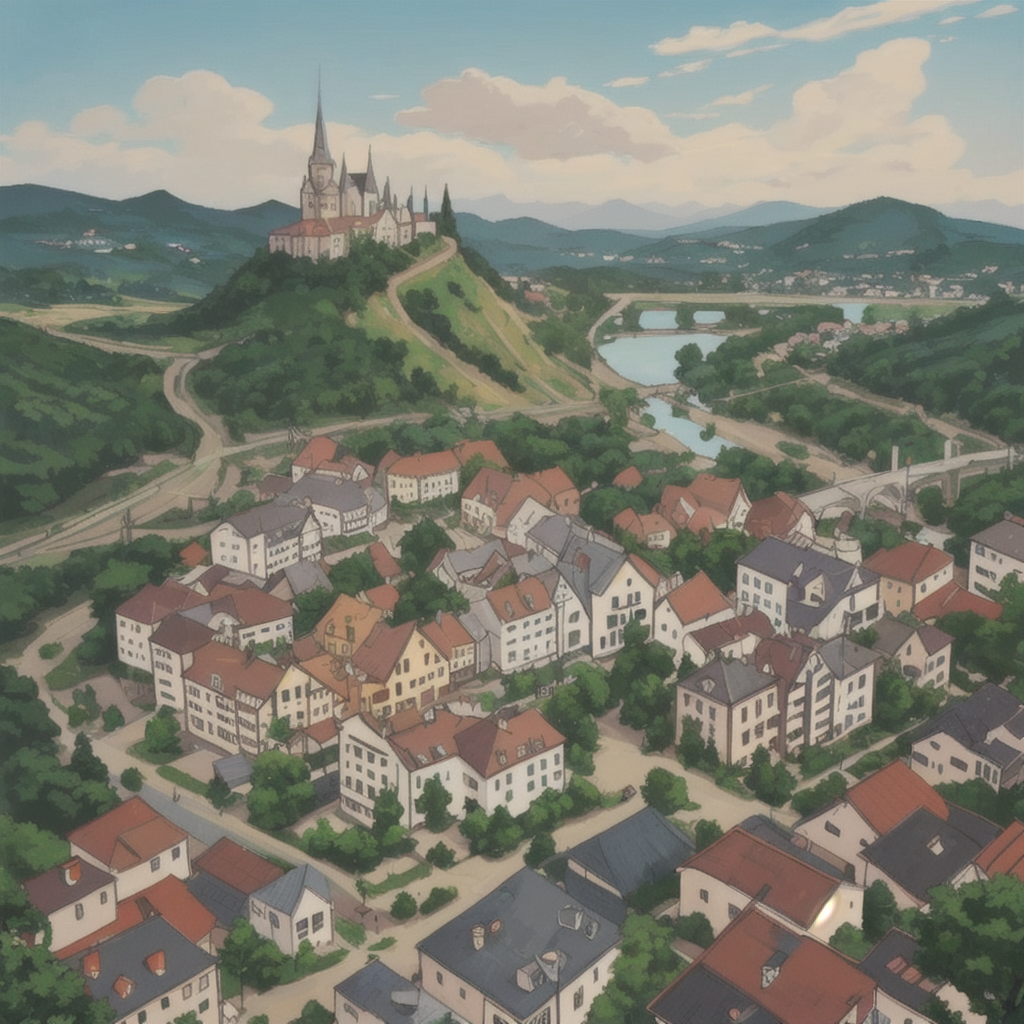
Usage is similar, just think of the place like a character. What it can do to interact with other characters is limited, seeing as buildings often don’t have a way to talk, until they do. Yet remember places are made of or by people. Thus the people of the place, should they still be alive, can interact with the characters. If done in a way that is either unique or at minimum different from the last place. The differences in the way people interact can be a signifier that the characters have moved from one place to another. By using the people as an extension of the place, as they are required to make it a place, it humanizes the location. While ruins don’t have people they should have the ghosts of the people, and the ghosts should work similarly to the people.
The last thing to note is that cities, or built up areas in general, can contain places while being places: China Town, Little Italy, and the likes. A place could be as small as a singular building, a specific bar or tavern could be a place in a neighborhood which is a place in a city which itself is a place. Nesting of places, gives a similar effect to the layering of places I mentioned with the people reclaiming ruins. This nesting can allow for dramatic shifts between safety and danger, known and unknown in a short distance. This allows for cities to be dense, which can help pass off a world as “realistic”.
That all said regularly scheduled content will be returning next year, for the holidays and other projects that need to finish before the calendar rolls over, expect some more intermittent content such as these between now and then.