
A City on a Bridge
Where I'm placing a short story or two
I have been brought along for an anthology with the theme of “meet in the river” in theory it should be completely sci-fi however I have Slonminma and it needs to be introduced to the world sooner rather than later. Therefore I’m going to buck this trend and write a fantasy, debatably steampunk.
With a vague entry such as '‘meet in the river” I’m going to need a place to meet that is in a river. Now there are a lot of good ideas from boats to islands, maybe a creative individual would spit out a floating bar or cantina. I’m sure one can imagine the tourist trap nature of such a place. However I have a bolder idea stolen from history. A city built on a bridge over a wide river near the estuary.
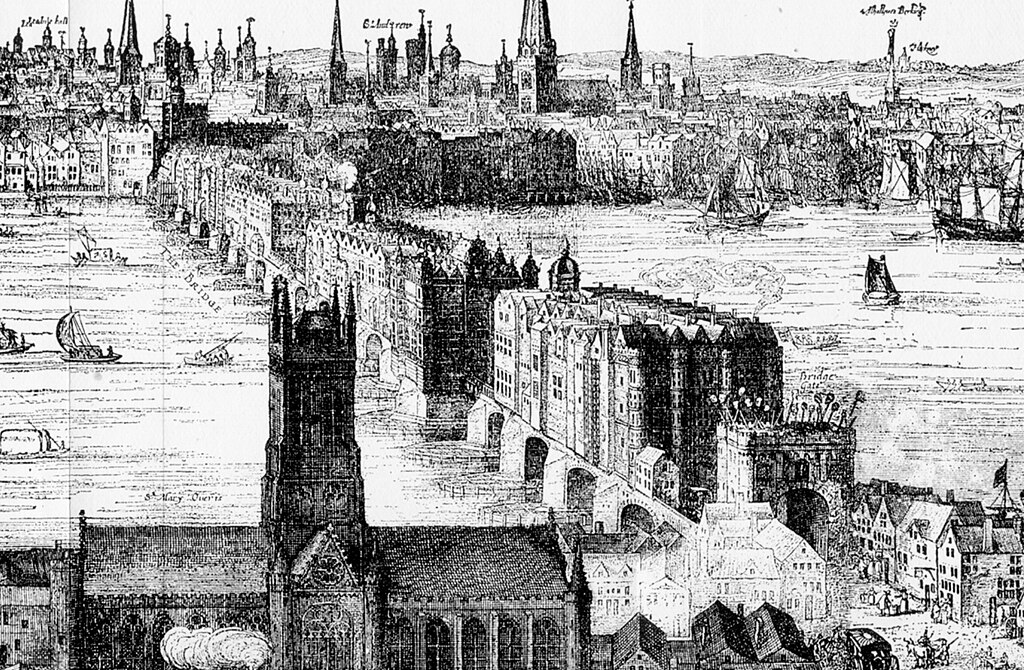
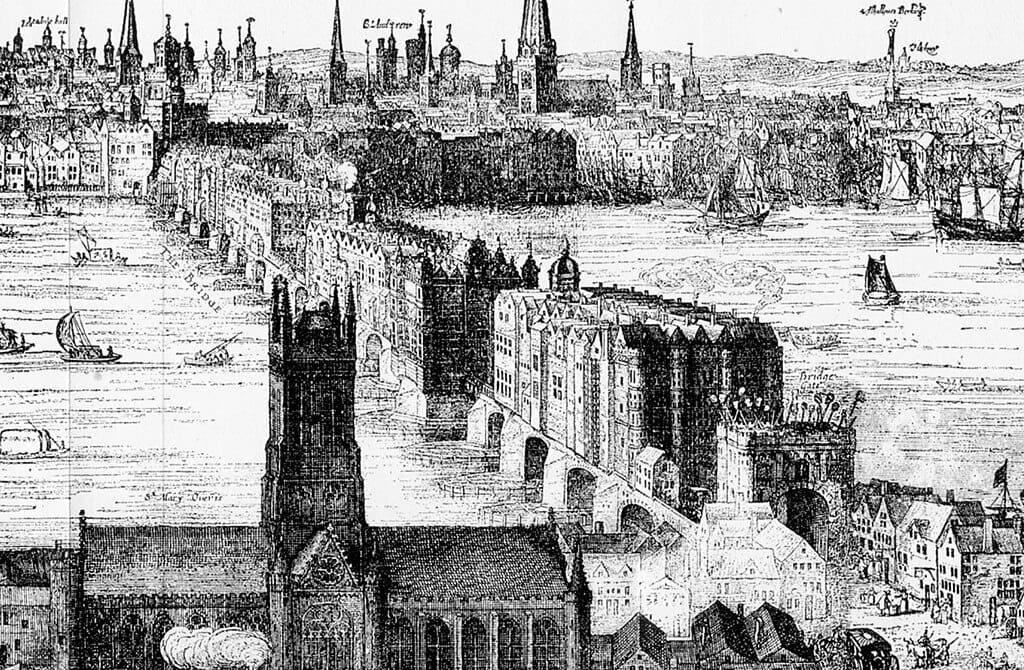
The history in question is the Old London Bridge before it fell down. It is not the only bridge that was lived on though out history and a few still have residences and shops to this day. However these are all bridges that are crossing rivers in populated in a city, they are not the populated city.
How am I going to change that? In short the bridge is built, turned into a waystation and then grows from there. Thus raising the question: what kind of bridge is it?
I’m thinking a railway bridge, primarily of stone arch construction that spans a wide river. I’m thinking something like the Congo or Amazon rivers where you can get north of seven miles wide and it sill be the river. There is the River Plate which comes in at 140 miles wide in the estuary or mouth of the river. I need to have a river that is wide somewhere on this map.
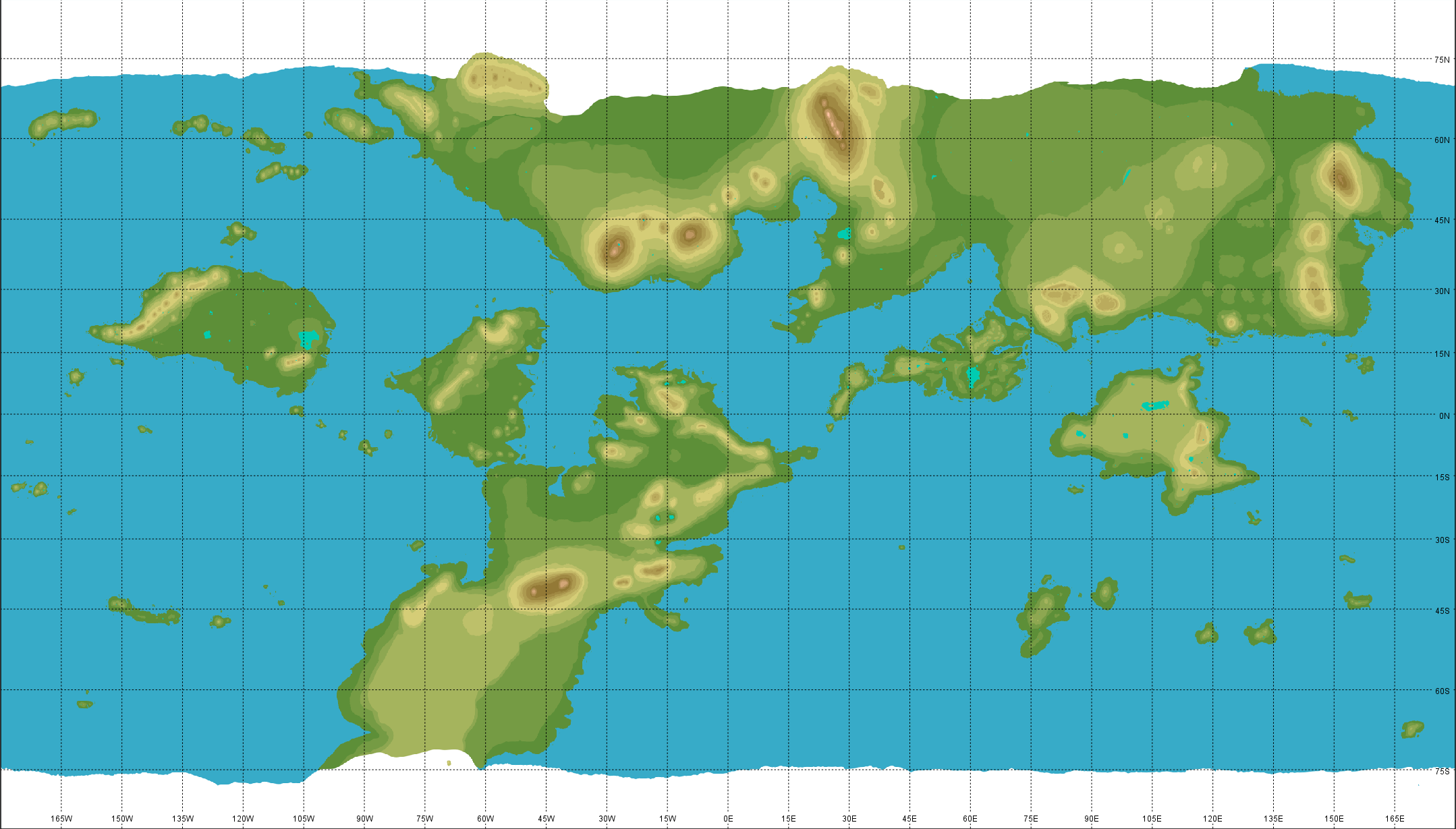
It’s a big map and thanks to being a raster image if you zoom in it will get quite pixelated. However it is quite large and I think I found a good pocket to place my City on a River.
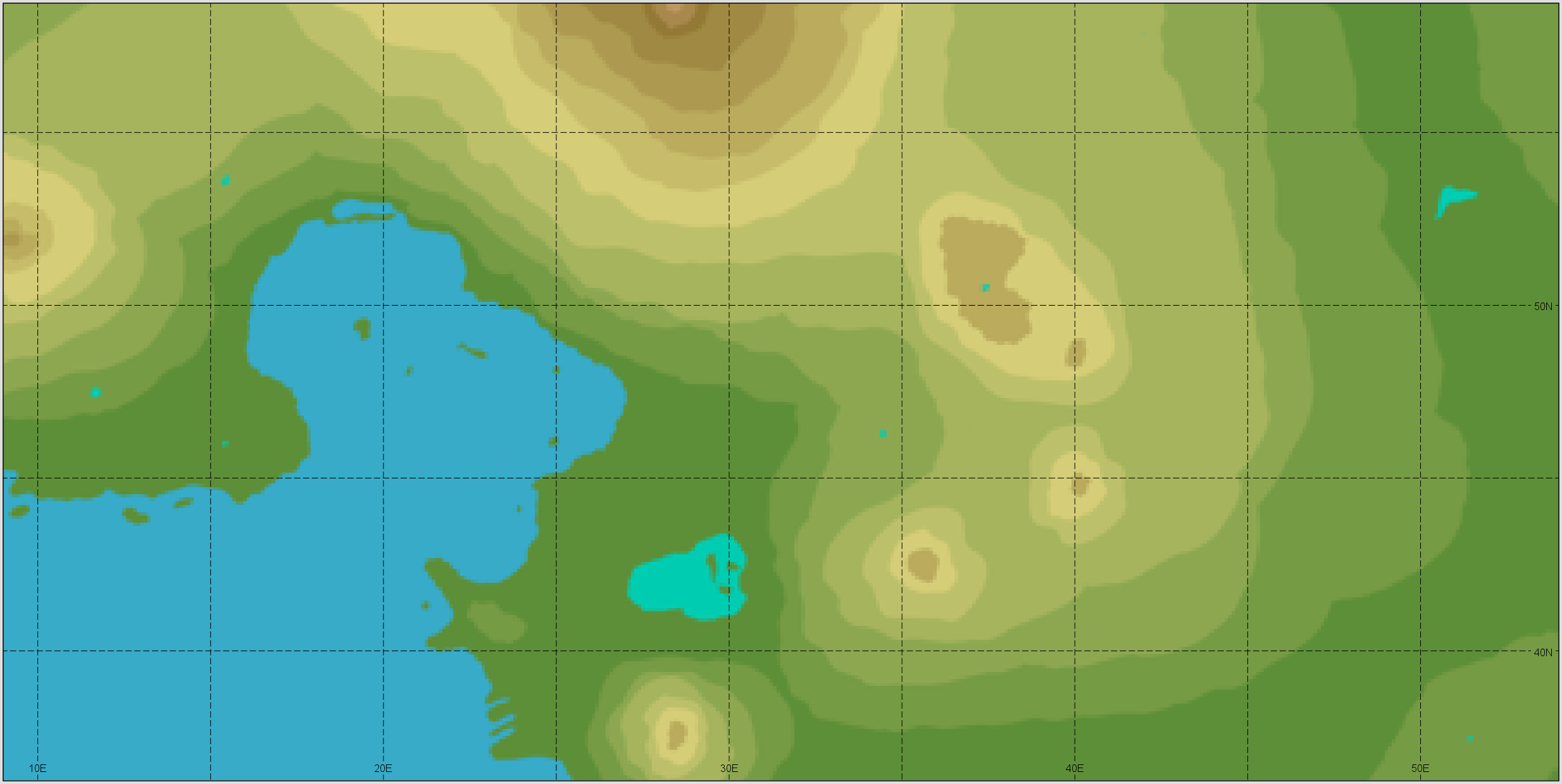
I’m thinking just north of that large lake, roughly at 44.7 degrees north and 28.5 ish degrees east. I will likely move it later once I finish the topology, rivers, weather, climate, etc. but this is close enough for now. Sketching some things in I end up with this.
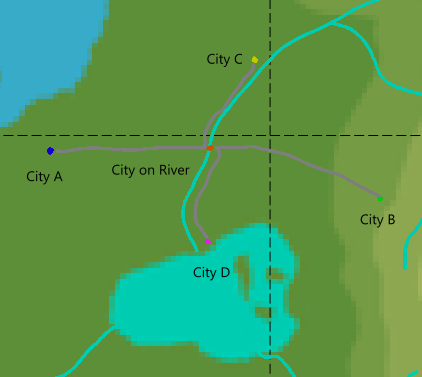
I added four other cities to the map A, B, C, and D. The lake color are the water ways, and the gray/purple color is the railway. The thought is for the best way to get the railway from any of the cities to the others will end up going through this spot on the river. Thus the bridge is built. To prevent the blocking of boat traffic the bridge would have two channels dredged on either edge with draw bridges. This will keep the river open for travel which would be something the cities along the river would more or less demanded. Since the railway wouldn’t want to earn the ire of the cities upstream they would accept it. This leads to a large railway bridge being constructed at first.
At this point I think the river needs a name. After a bit of conlanging Yamiga Pistugtul or River Emerald. At this point is known as the Stoneway or Stulmiga. Over the course of building this bridge a wooden barracks were constructed on the bridge as well as housing for the draw bridge workers and a siding on each track so that trains can stop to rotate crews, supply them and if need be stop for the night for the wilderness is dark and full of giant spiders. It might be more correct to say the giant spiders might be the friendliest beasts out there.
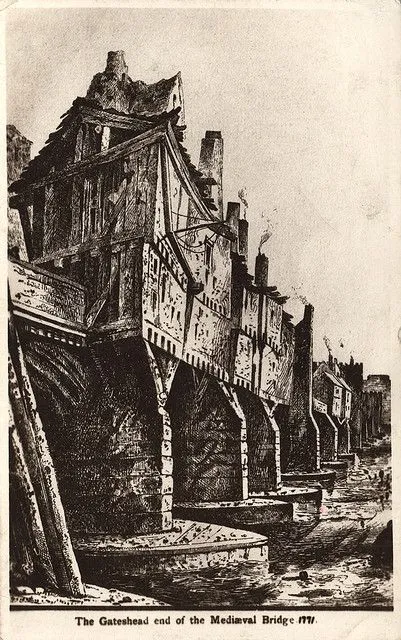
After a few years Stulmiga is completed and starts seeing regular use both as a regular bridge and an overnight stop. After more than a few complaints from passengers a hotel is built, than some more housing to staff the hotel. This starts the ‘if you give a mouse a cookie’ chain. After a decade of service a small settlement has been built housing eight hundred year round residents that work in the few traveler based industries think bars, restaurants, hotels, and a few small support stations for the trains themselves think parts depots, a pair of water towers and a small machine shop. On the down stream side of the bridge a small pier has been constructed to allow the locals to fish and trade via the water.
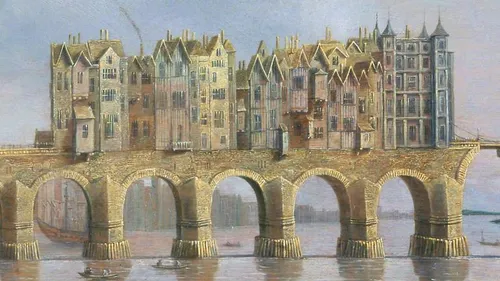
With this growth into a proper town it gets renamed to Stultegal or Stoneplace not the best of names but it sticks, and the town continues to grow. By the time we get to when I’m planning on writing the city is roughly square, being four and a half miles long and four miles wide. It is largely an interface between rail and riverine transportation and a popular stop over for travelers. The only thing I’m thinking about putting in is a train repair and maintenance facility. I enjoy the idea of an overly complicated way of getting the locomotives off of the tracks likely using cranes. However I’ll leave that for when I start to block out the city in visual dimension. The last thing of note is the tram that helps people and goods get around the city.
More will be coming soon.