Outside Looking In
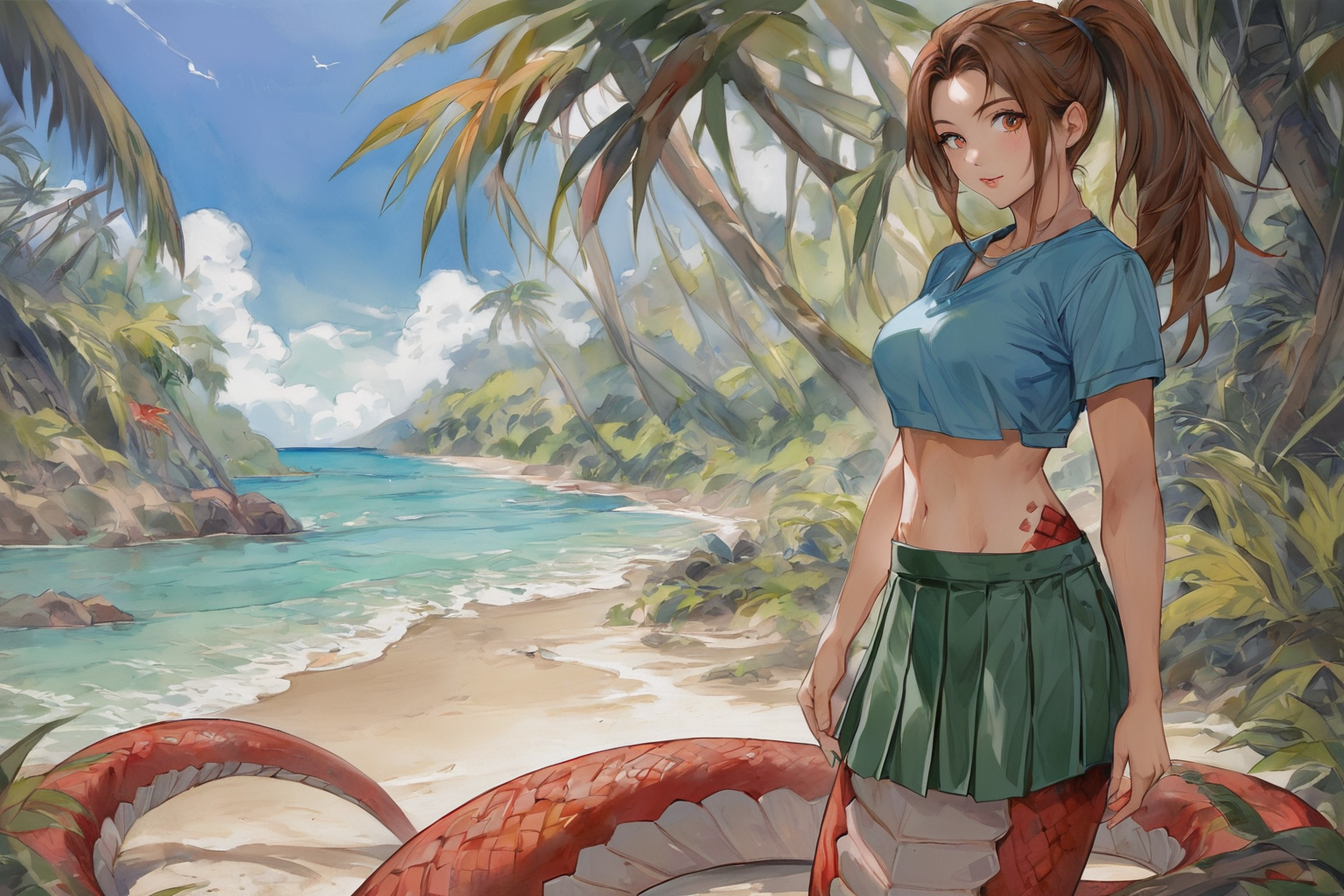
Many don’t take the time to look into other species. They can teach one so much once you dip below the surface and go exploring you will find a lot more differences than first meets the eye.
Fantasy ends up running into interesting complaints when dealing with different species. There are two camps shouting about how different species should be handled, the bio-essentialist and the bio-irrelevants, both are wrong. The proper path is, like most things, down the middle. More importantly many many story tellers forget about the outside observer effect. We will go though all of it tonight and bring some more depth to the fantasy archetypes we see all the time.
I will start with one of the few times modernity and I agree, bio-essencalism isn’t the way to go when it comes to worldbuilding. For those who don’t know, the bio-essentialist view is that culture is completely linked to biology. Meaning that anything cultural is because of a biological trait. Now this goes two ways. Those who follow along with the modern editions of Dungeons and Dragons the group calling out this ‘problematic’ and ‘outdated’ thinking is behind the changes too all the playable species in the 2024 release. The bonuses tied to species were scrubbed, the features were largely scrubbed, in my opinion the character was scrubbed. This was done because “It is wrong to tie biology to any ability or morality!” or so they screamed. They are not completely wrong, locking cultural traits to biology is at best nearsighted.
I once again cross swords with modernity; as the modern position is the one of the bio-irrelevants. This is the opposite side of the coin. Their assertion is that biology has nothing to do with culture, and as such must be ignored when creating characters and species in the created world. Some go so far that even thinking about connecting them is offensive. These were those attacking the titan that is Dungeons and Dragons; should one permit the simplification. They are often as nearsighted as the bio-essentialists.
The edge of that coin, the rim that spans between the two extreme faces is where the worldbuilder should work. I do mean the entire edge. When building a species one has to think about their biology and how that opens up or closes off cultural angles. For most asking, “If a species evolved in this environment what would their culture look like?” or “If a species evolved with this trait how would their culture change?” Is a good way to start thinking about how the biological side of the equation. Once those questions are asked, the next question is: “How strong is that change?” Some changes are more reasonable to be stronger than others.
For example take Selisa she was a wonderful tour guide, although she had almost as many questions about my boots, and my feet as I did for the ruins we visited. It makes some sense as between her fellow Lamia and the Mermaids that live on the island no one has feet. More surprisingly she didn’t know her sister made sandals. I was happy to find that she is the best sandal makers I have ever met.
My favorite tool when traversing this edge is what I call the outsider effect. This effect is what happens when someone outside of a species ends up painting all of them in the same vein. This can come from a handful of reasons, lack of contact, lack of understating, difference in scope of reality. The reasoning isn’t really important, as it can be done on a case by case basis. Generally these are what and where stereotypes and archetypes come from. Meaning as one goes into depth either building or using a species, the stereotype should be found to be both true and false. Often it is an over simplification of any single thing, yet should paint an accurate enough image to form a start of an understanding. As time goes on it should be a case of learning what is and what isn’t correct. How far off of the truth one will find out as one learns and explores the culture.
Understanding that often characters are outside of the culture looking in, means that they won’t know what they are looking at. Giving them a good ammount of misunderstanding, as the onlooker doesn’t know what it is they are looking at. That said the ingrained common knowledge can both be a boon and a bane.
When applying this to fantasy, as generally there are mono-species nations. The nations are going to fall into the biology of the species that created them. Thus the nations often end up bluing into the species and vice versa. To combat this, have more nations. If one doesn’t want mono-species nations having sub-cultures and counter cultures will be required. Yet with more mono-species nations then the nations become ethnicities. This will echo Europe. With it’s dozens of small kingdoms each building into many smaller ethnic groups. Some of which hate each other as much as Elves, and Dwarves, see the remains of Yugoslavia. By having more, the peoples will split up the species into their nation states. Amusingly enough the generic Dwarves are already set up this way, with each Dwarf Hold being a separate nation, with it’s own culture, often overlooked by the fantasy worldbuilder for the sake of time. Take the time. The better the world built the better the story within it can be.
All in all having more options within the species culturally the better off the world will be. If nothing else it gives depth to what may at first only have time to present as a single stereotype.
All in all shoot for the middle of the extremes when it comes to connecting the biology to the culture. Disconnecting it entirely, is just as bad as ting them way too tightly. When going to deal with exploring the cultures of different species understand that one often is telling their story from outside of the culture they are exploring. Meaning that the culture will often start out shallow and end up much deeper as time goes on. The more one builds out, and the more groups with in a species the better off one will be when it comes to dealing with different species in their fiction.